Archive
Stories, in full
A record of albinism news, research, and advocacy from trusted sources around the world. Reviewed by a human editor before publication.

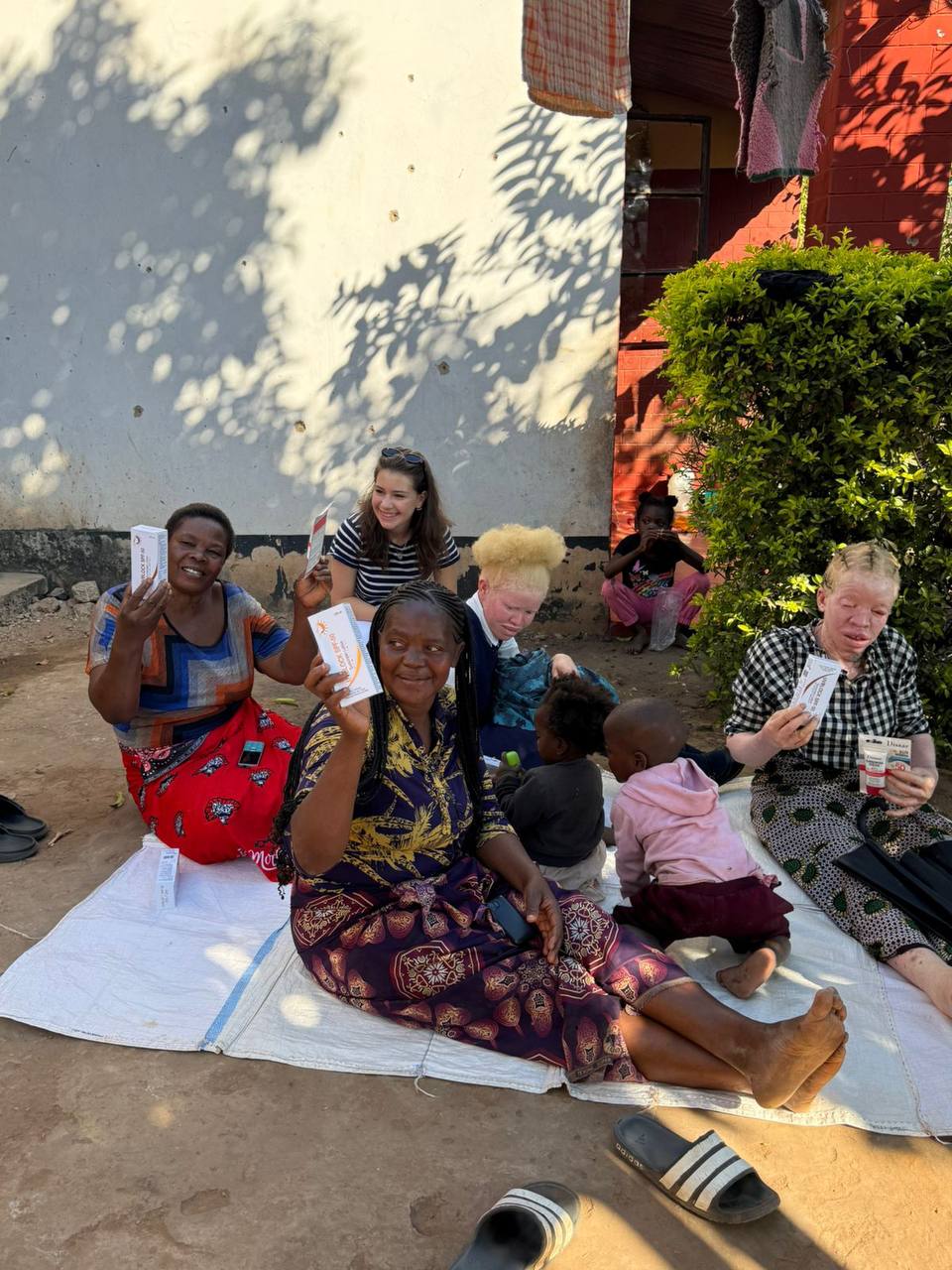
Jane Kasweka
Livingstone, Zambia
Delphile Bandha
Livingstone, Zambia
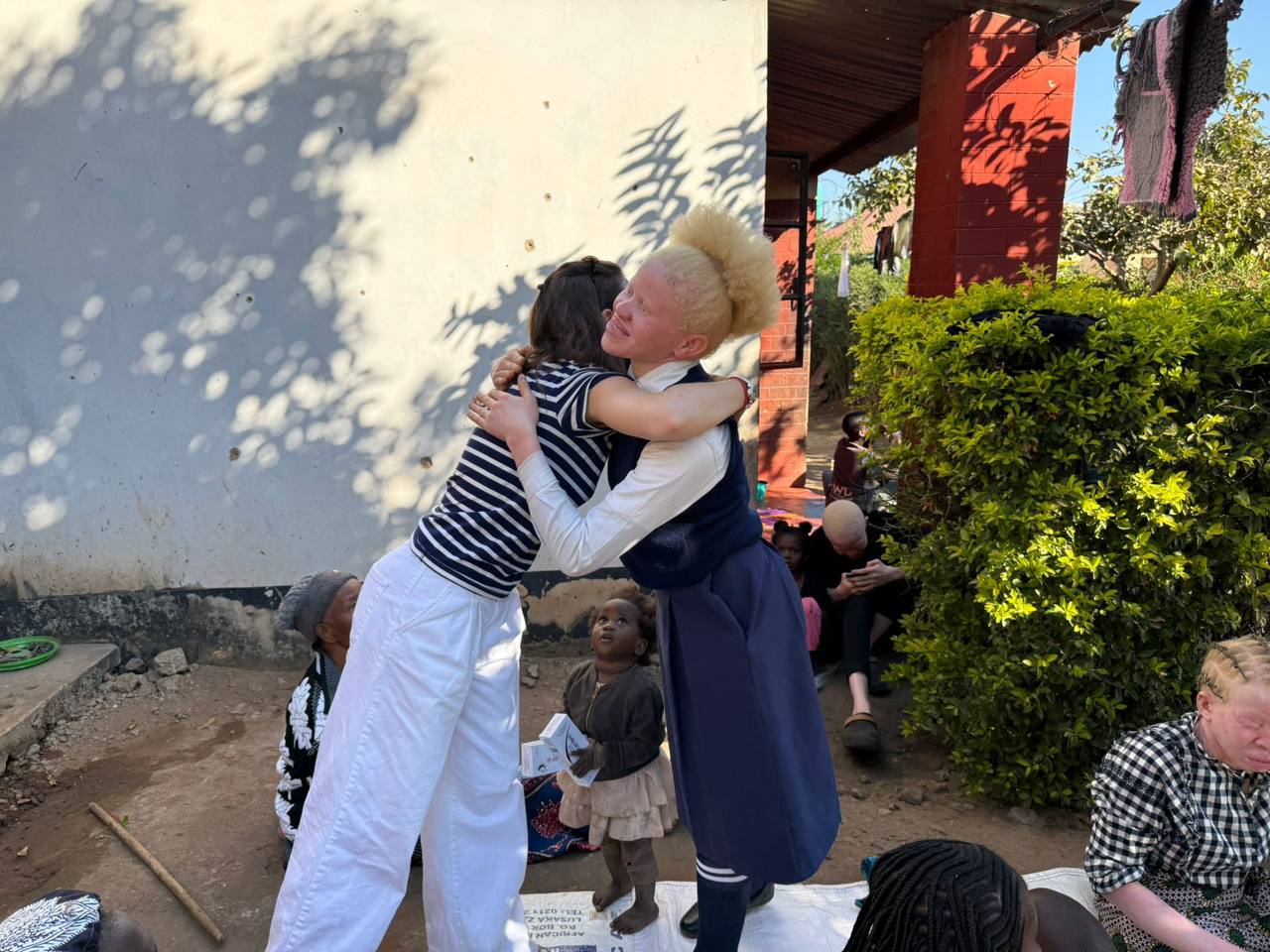
Purity Kashweka
Livingstone, Zambia
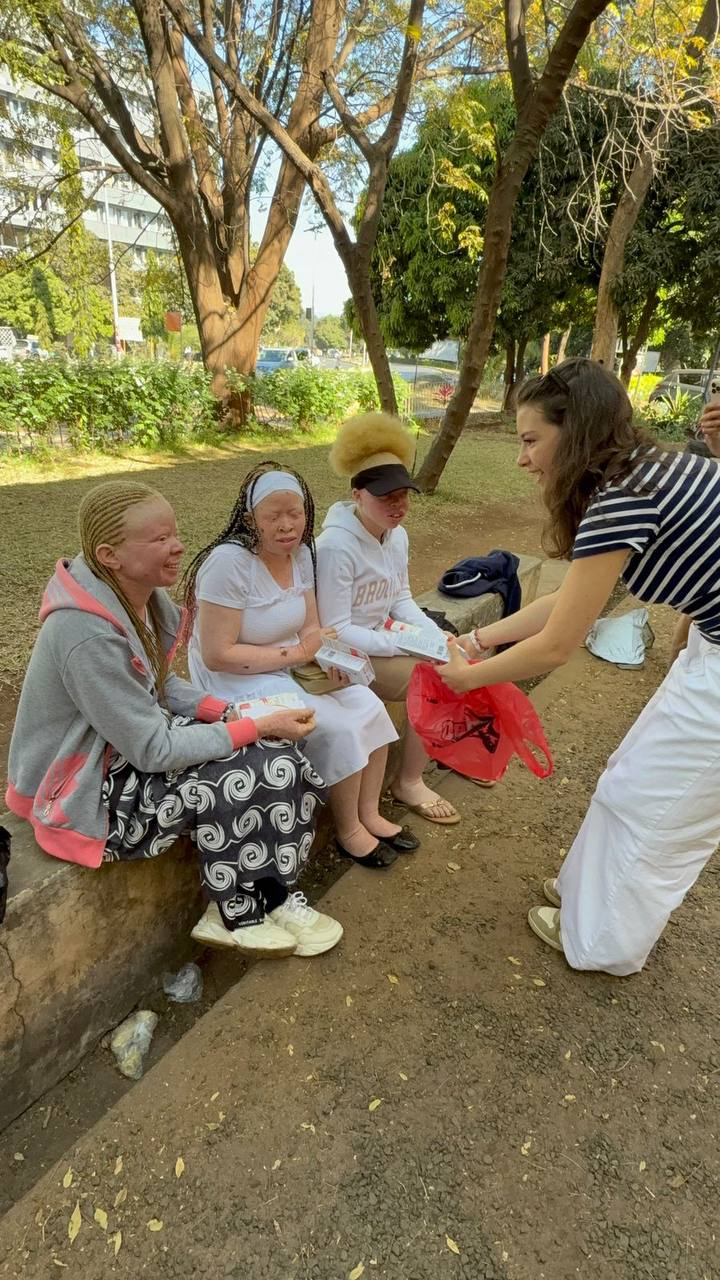
Dorcus Siabasimbi
Livingstone, Zambia
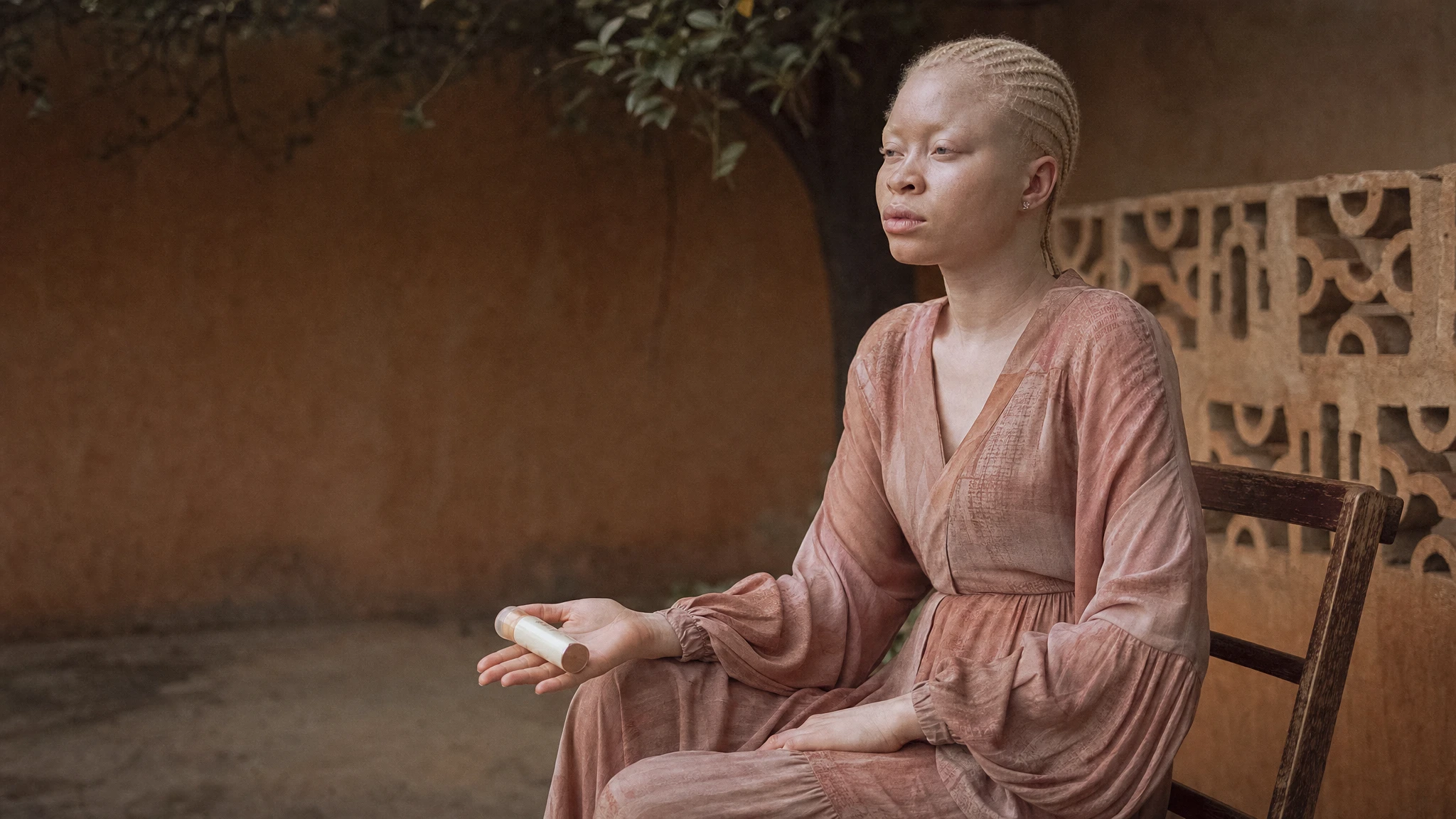
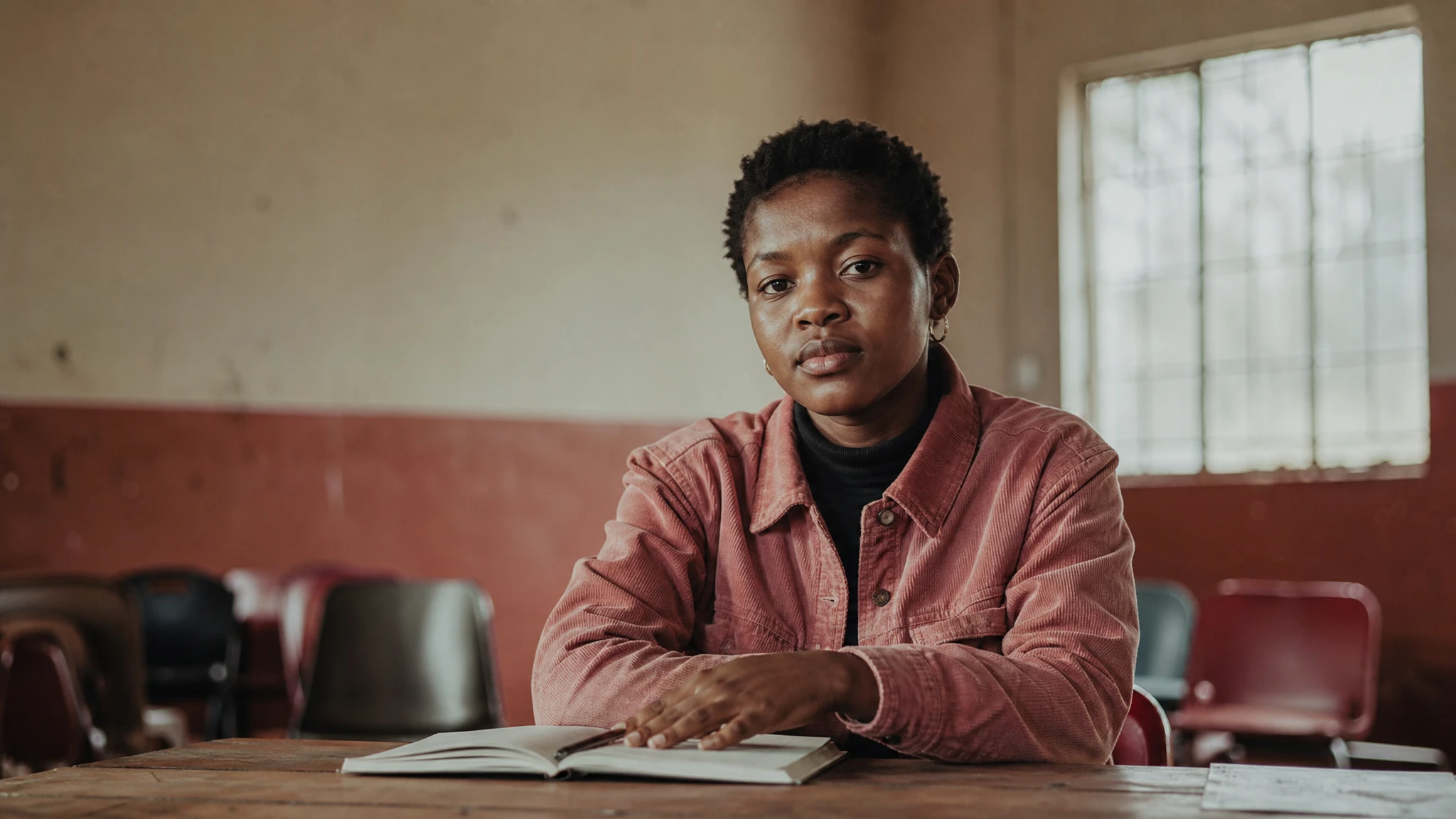
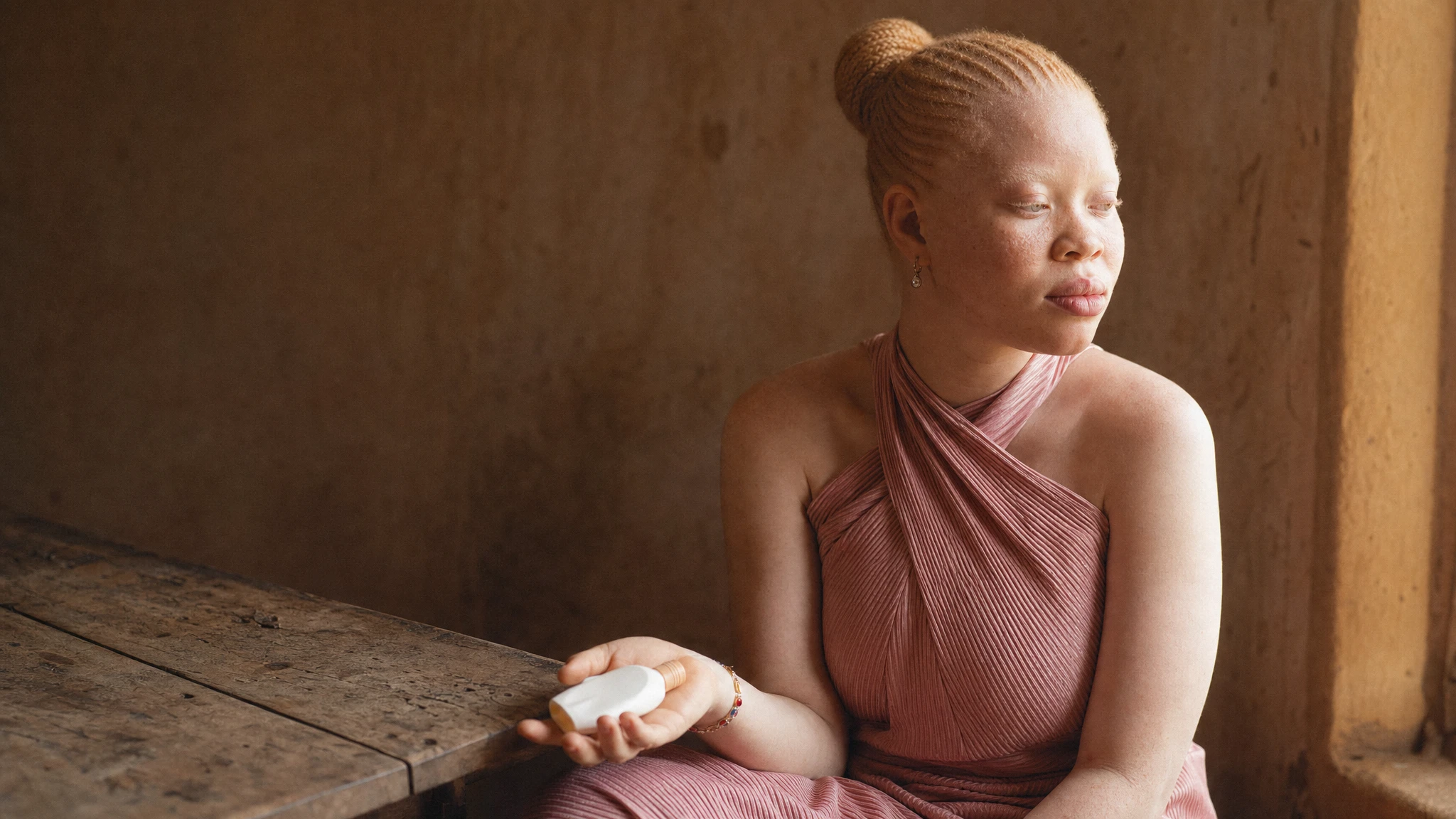
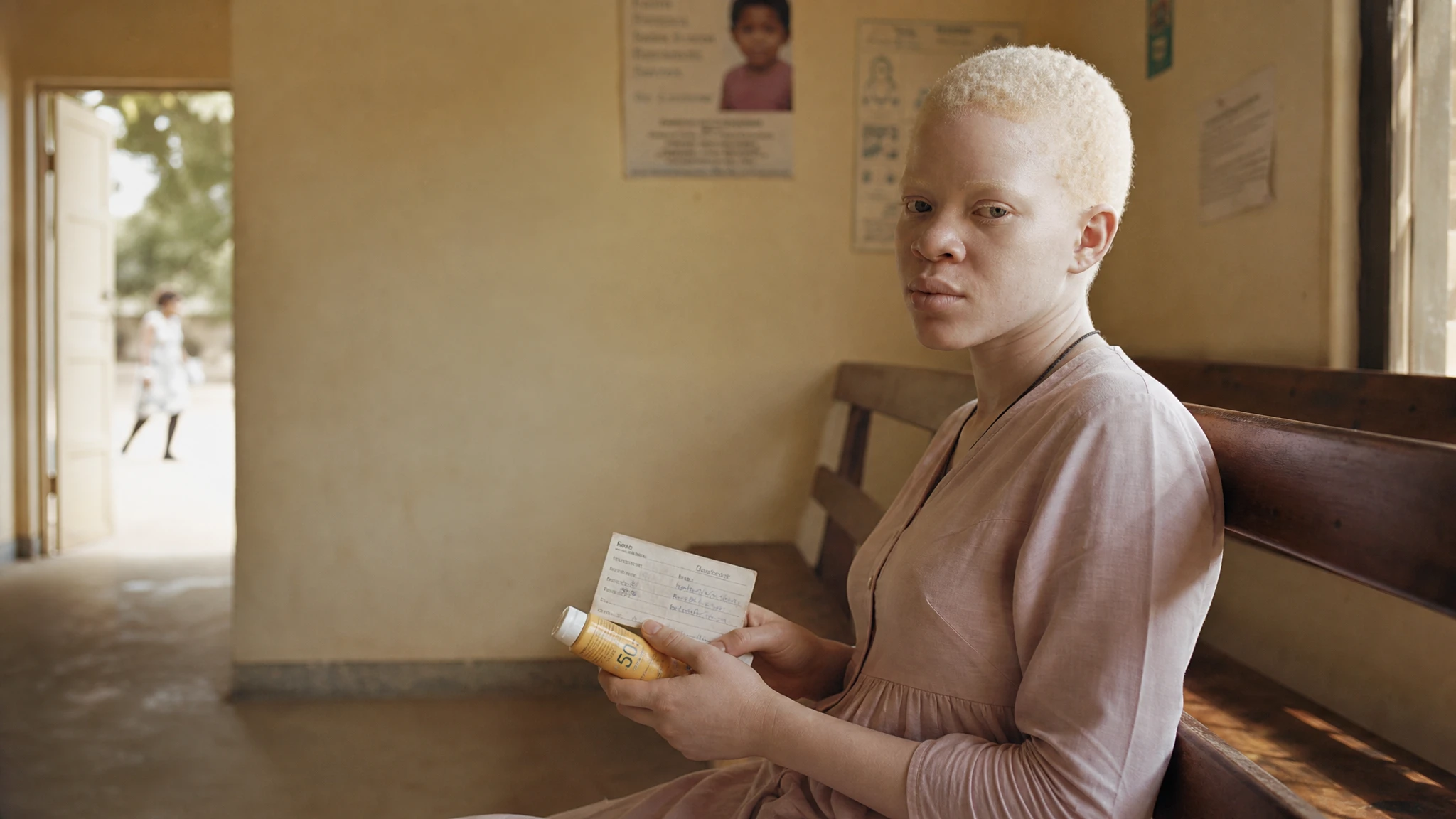
Carolina Khaskelis from the United States is visiting Livingstone, Zambia, where she is spending time with members of the local albinism community, including Jane Kasweka, Delphile Bandha, Purity Kashweka, and Dorcus Siabasimbi. Alongside distributing essential sunscreen, Carolina is listening to their stories and learning more about their experiences, challenges, and hopes for the future.
 Human RightsAllAfrica — Albinism
UN Human Rights Council adopts resolution on neglected tropical diseases
Resolution 62/27 links neglected tropical diseases to human rights for the first time at the UN Human Rights Council level. The decision was made at the body's sixty-second session in Geneva.
 Human RightsAllAfrica — Albinism
UN adopts first resolution linking NTDs and human rights
The UN Human Rights Council passed its first-ever resolution connecting neglected tropical diseases to human rights, led by a core group of African states including Malawi.
 Health & Sun ProtectionAllAfrica — Albinism
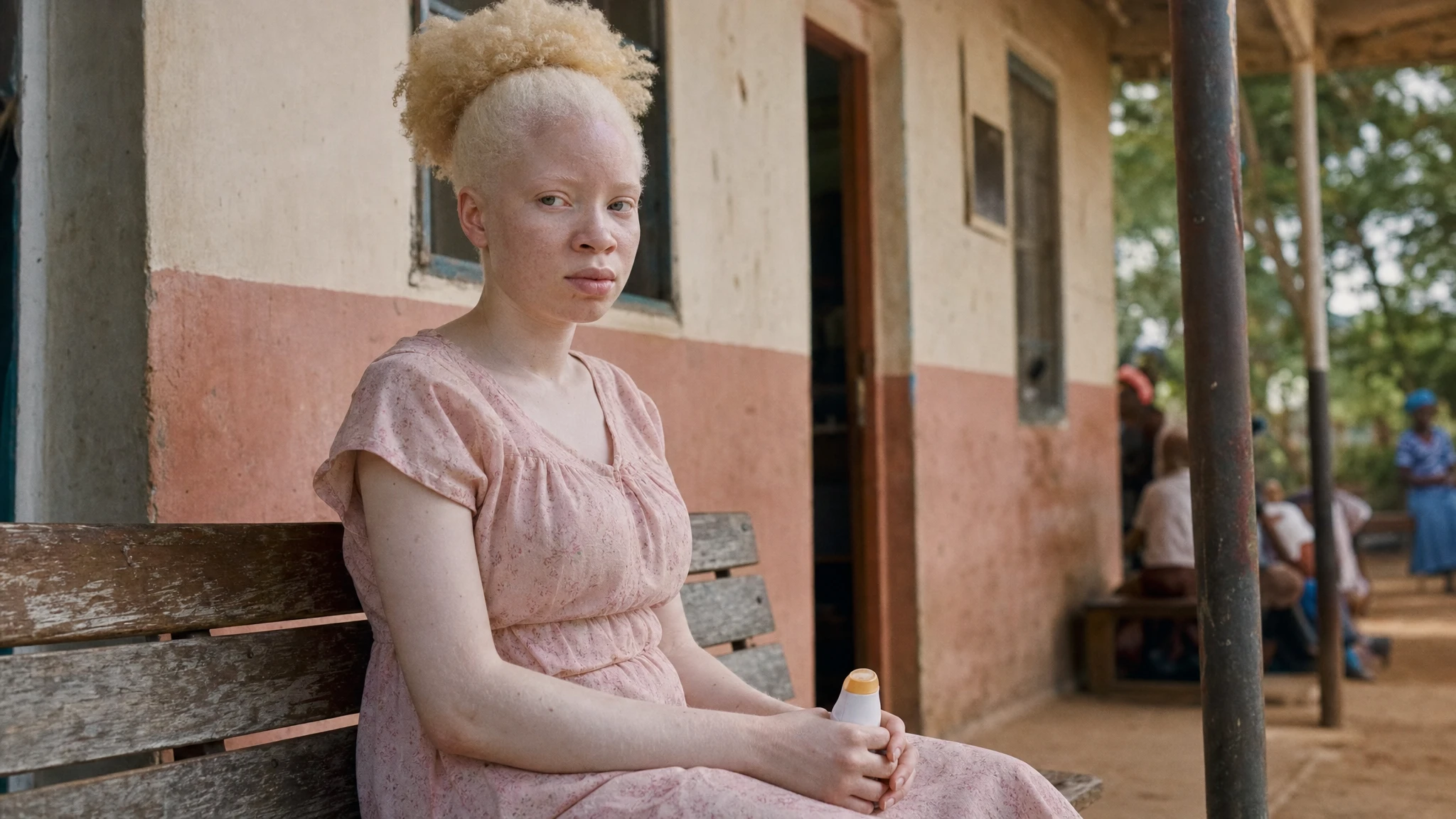
Court case reveals South Africa's fractured healthcare responsibilities
A dispute over clinic access in Johannesburg has exposed how health responsibilities are split across three tiers of government, leaving patients uncertain of their rights.
 Health & Sun ProtectionJournal of Investigative Dermatology
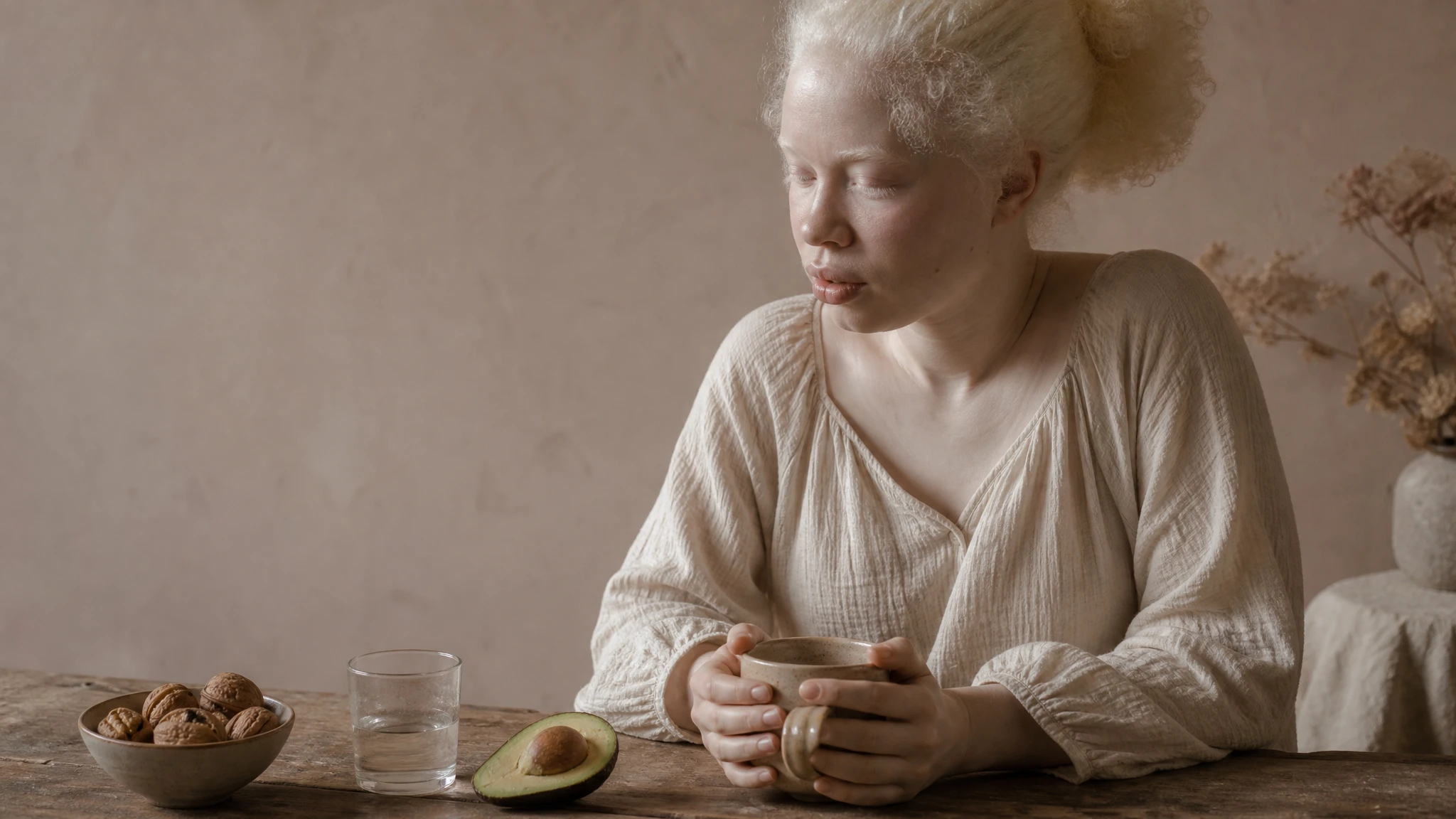
Gut bacteria shape how dietary fat affects skin
A study in the Journal of Investigative Dermatology finds that fatty acid type — not total fat intake — drives skin and hair follicle changes, with gut microbiota playing a key regulatory role.
 Health & Sun ProtectionJournal of Investigative Dermatology
Mouse study links Kit signalling to hair follicle growth
Research published in the Journal of Investigative Dermatology examines how Kit-Kitl signalling in skin cells shapes hair follicle development and regeneration.
 Africa FocusAllAfrica — Albinism
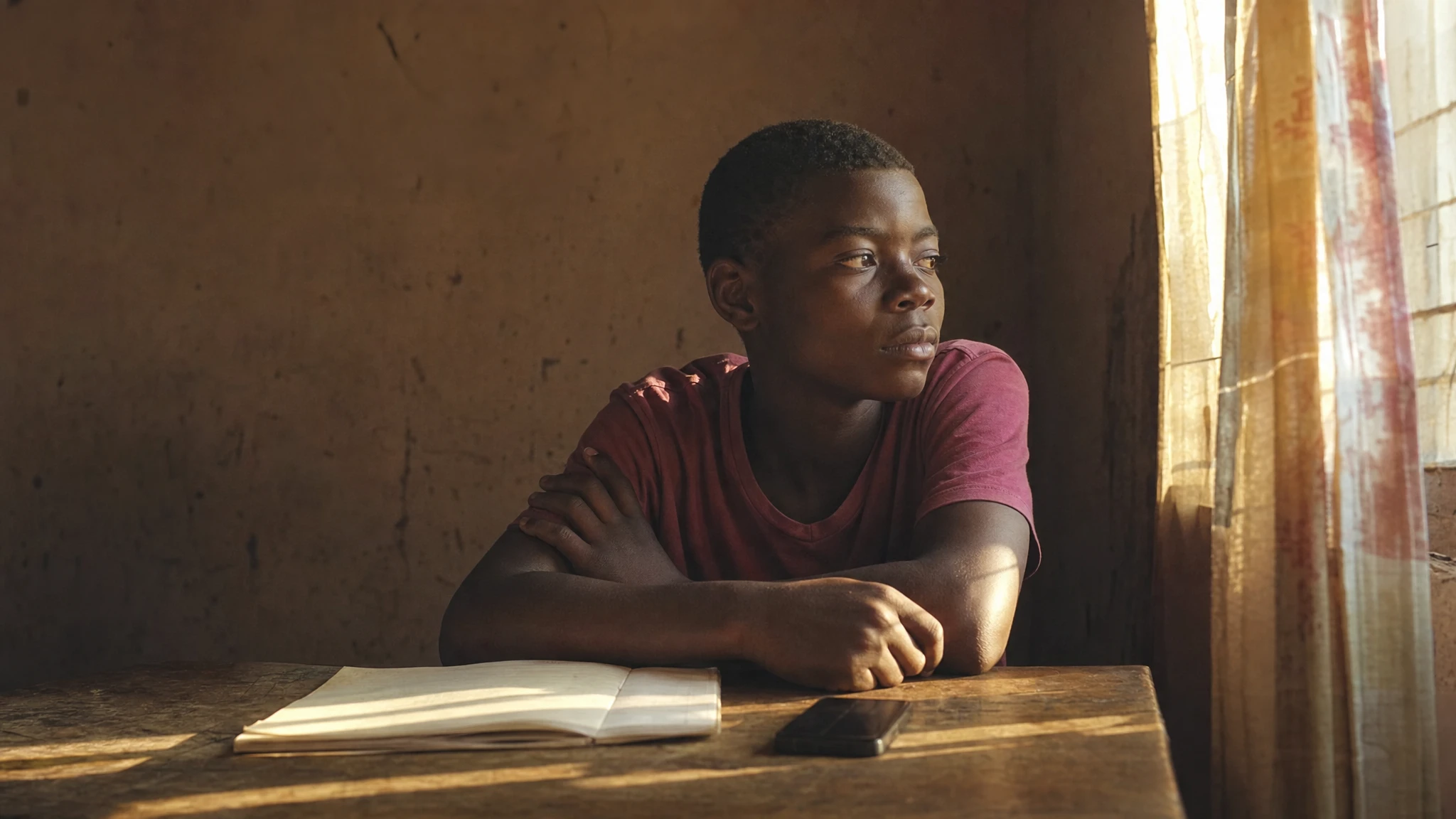
Malawi minister links social media to youth mental health crisis
A government minister told parliament that social media exposes young Malawians to content promoting self-harm and suicidal thoughts. The warning raises particular concern for young people with albinism.
 Africa FocusAllAfrica — Albinism
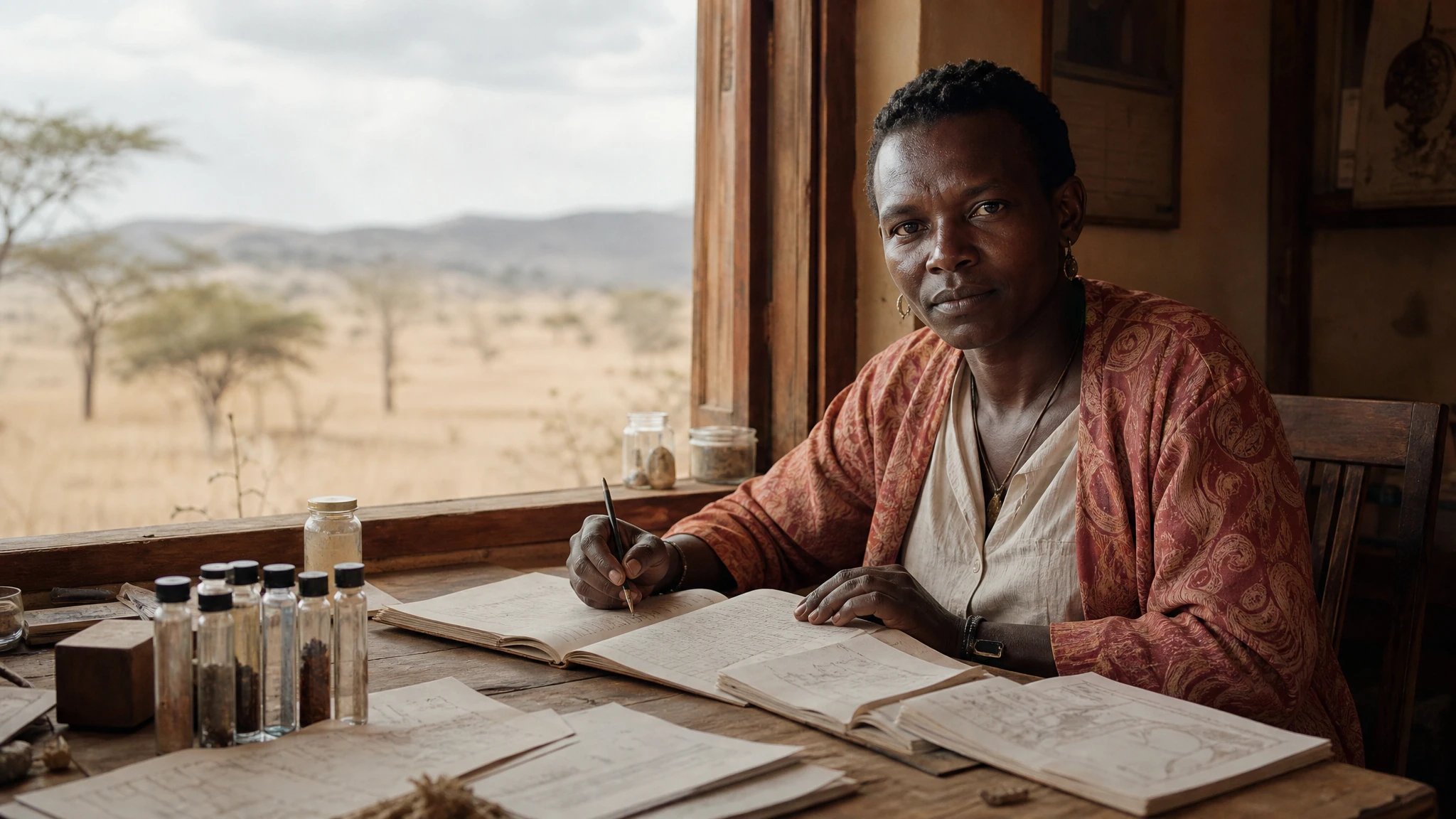
Tanzania minister calls for local medicine research investment
Tanzania's education minister has urged greater investment in scientific research to develop medicines that address the country's specific health challenges.
 Health & Sun ProtectionAllAfrica — Albinism
Nigeria's healthcare reforms leave albinism community behind
President Tinubu's sweeping healthcare restructuring has drawn little attention to its effects on Nigerians with albinism, who depend on specific dermatological and ophthalmological services.
 Health & Sun ProtectionJournal of Investigative Dermatology
Visible light triggers pigmentation differently across skin types
A Journal of Investigative Dermatology study found visible light causes pigmentation in darker skin types but redness in lighter ones — a distinction relevant to albinism research.
 Health & Sun ProtectionJournal of Investigative Dermatology
Oxidative stress study reveals potential CTCL treatment target
New research in the Journal of Investigative Dermatology identifies a distinct oxidative stress profile in cutaneous T-cell lymphoma, pointing toward a possible therapeutic vulnerability.
 Human RightsAllAfrica — Albinism
South Africa's illegal initiation schools face renewed scrutiny
Authorities in South Africa have moved against illegal initiation schools, where people with albinism face documented risks of harm and exploitation.
 Health & Sun ProtectionAllAfrica — Albinism
Nigeria moves to expand cancer care funding
The Nigerian government has introduced measures to make cancer treatment more affordable, though costs remain out of reach for many patients, according to officials.
 Health & Sun ProtectionJournal of Investigative Dermatology
Immune checkpoint protein studied across inflammatory skin diseases
Researchers examined how a protein called VISTA behaves differently across skin conditions. The findings may point toward new treatment strategies for chronic inflammation.
 Human RightsAllAfrica — Albinism
South Africa's deportation drives interrupt critical medical treatment
People with albinism and other migrants removed mid-treatment face lasting health risks, Daily Maverick reports. Access to sun protection and dermatology care is among what is lost.
 Africa FocusAllAfrica — Albinism
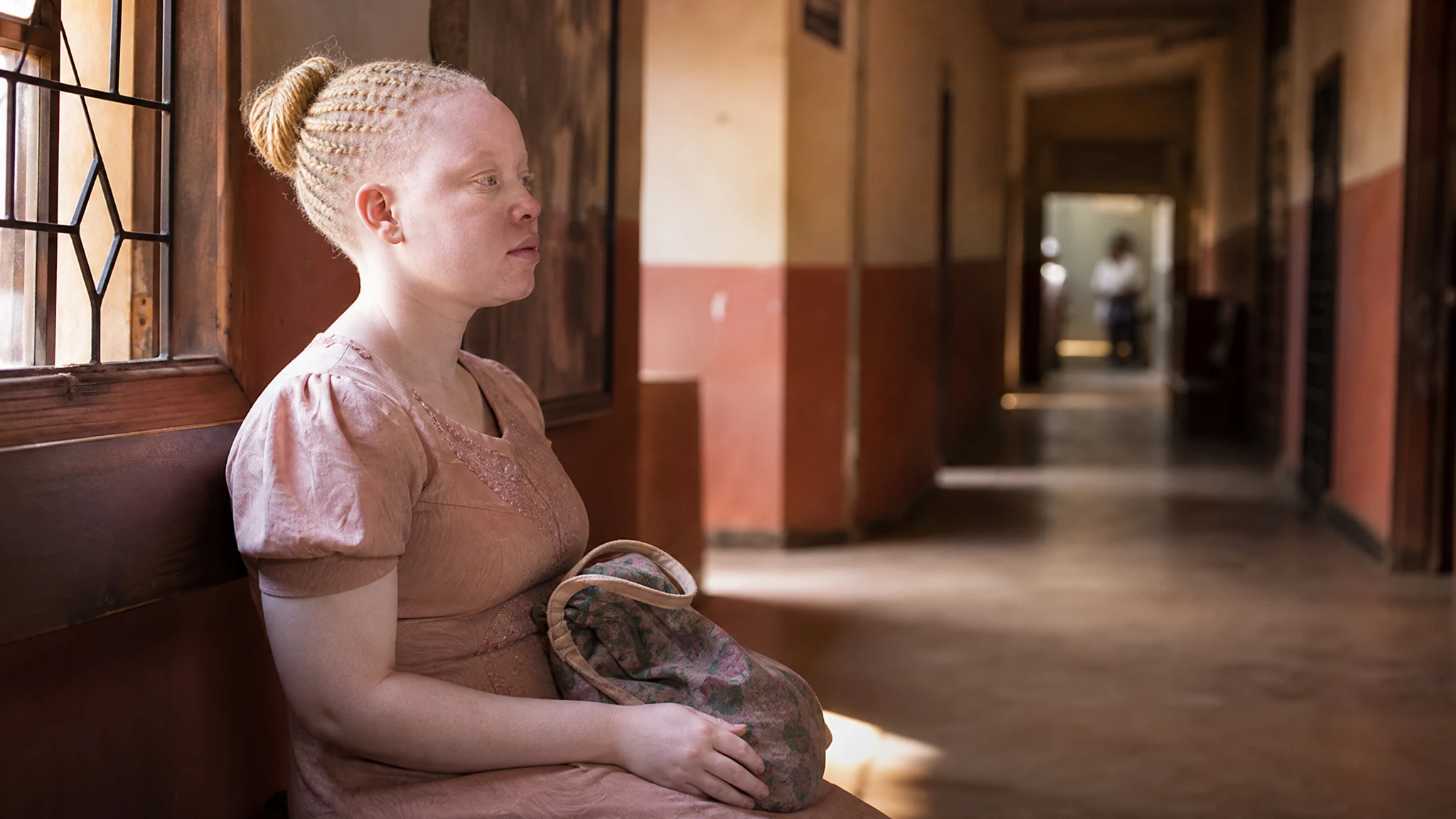
Zimbabwean migrants in South Africa fear losing healthcare
Zimbabwean immigrants in Louis Trichardt report being turned away from clinics, with some told their chronic medication will no longer be dispensed.
 Health & Sun ProtectionAllAfrica — Albinism
Global cancer cases could reach 35 million by 2050
A new WHO report warns that annual cancer cases worldwide could nearly double by 2050 without urgent improvements in prevention, diagnosis, and treatment.
 Africa FocusAllAfrica — Albinism
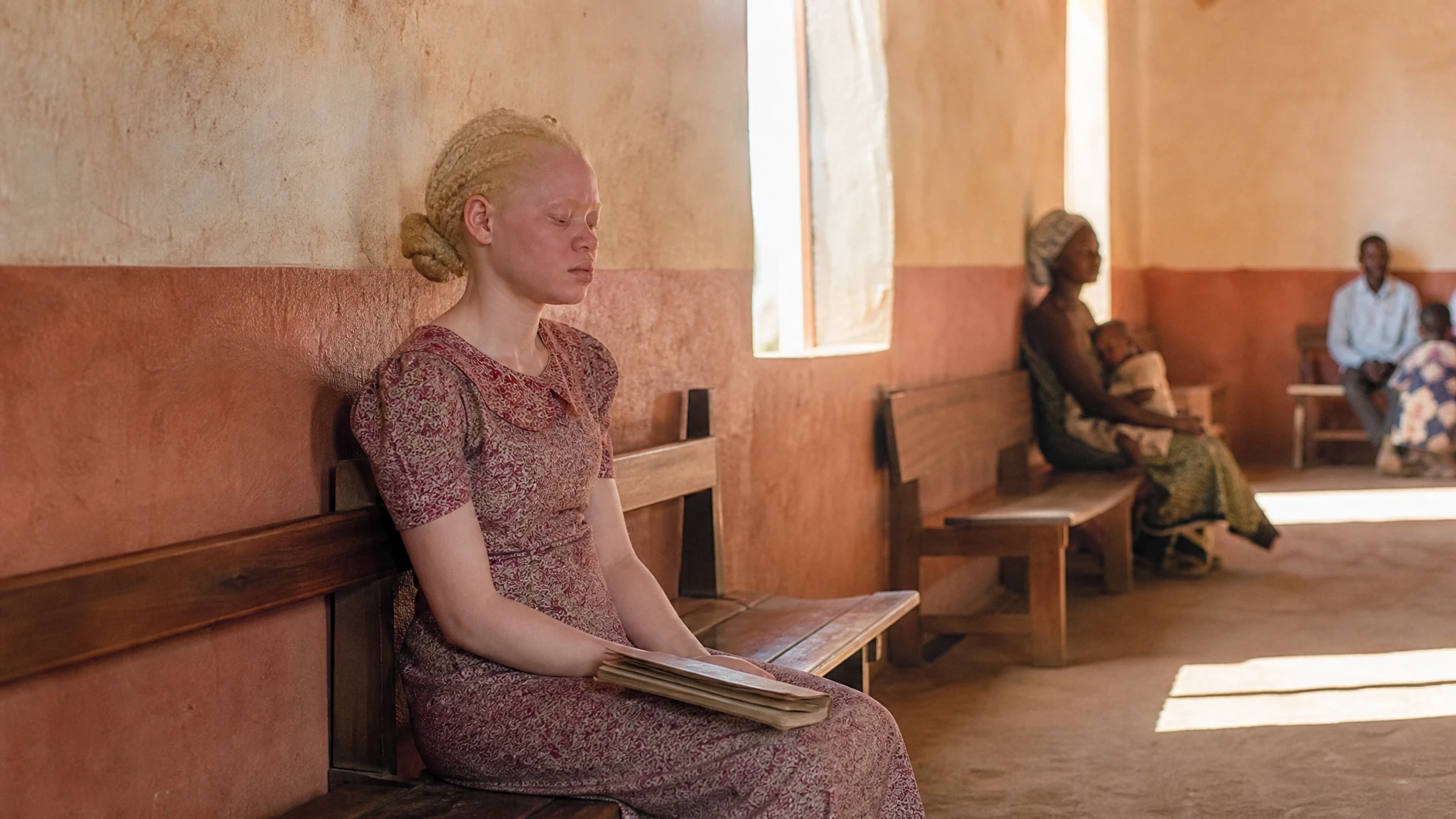
Malawi's doctor shortage leaves 20 million underserved
Malawi has roughly 600 doctors for a population of 20 million. The crisis has direct consequences for people with albinism who depend on specialist care.
 Human RightsAllAfrica — Albinism
Limpopo mother says womb removed without her consent
A young South African mother with albinism says her uterus was removed during childbirth surgery without her knowledge. Her account raises serious questions about informed consent in public healthcare.
 Health & Sun ProtectionAllAfrica — Albinism
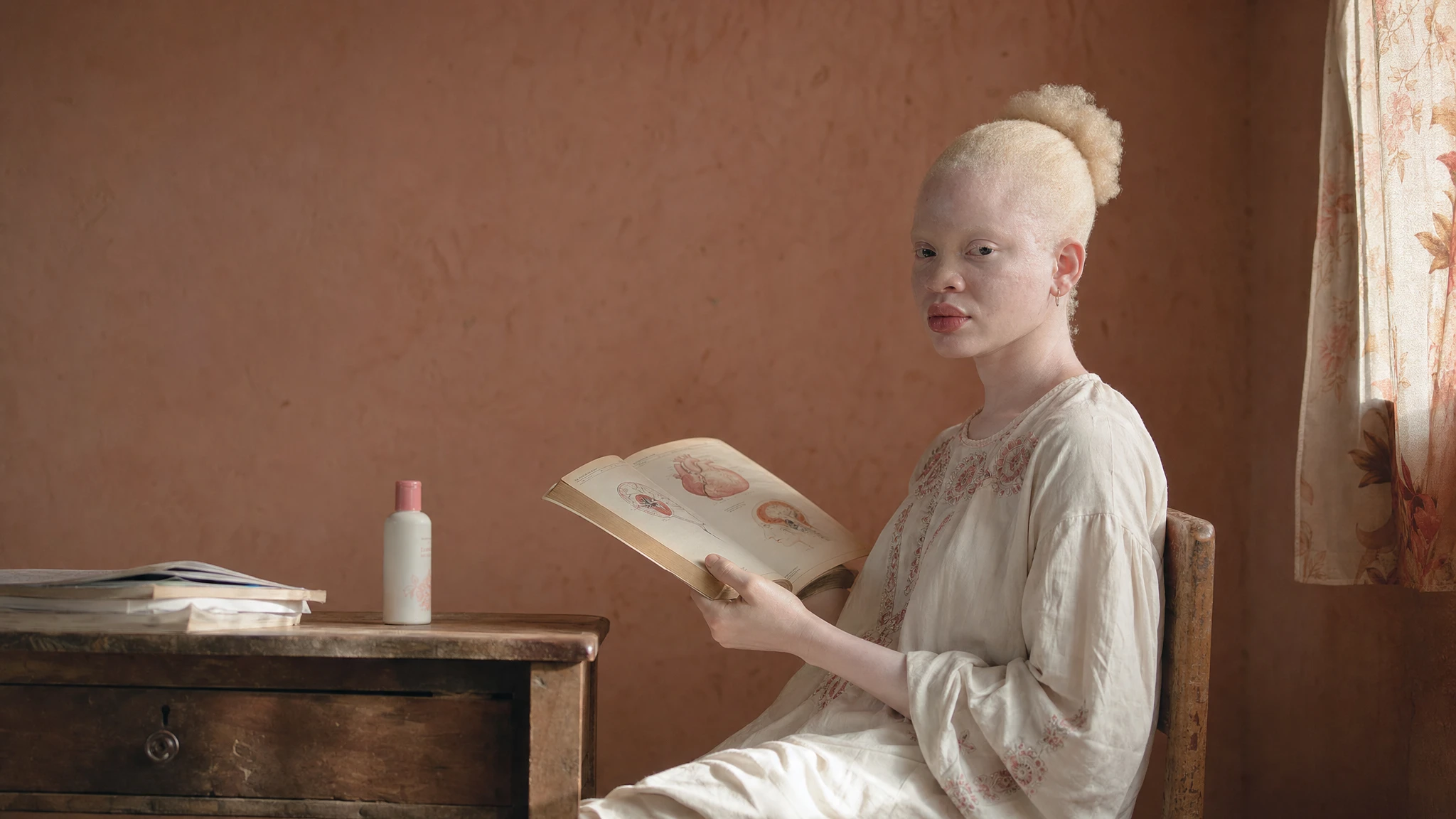
Liberia urged to build regional teaching hospitals
A health conference has called on Liberia's government to invest in specialist medical education and regional teaching hospitals as part of a long-term health strategy.
 Health & Sun ProtectionAllAfrica — Albinism
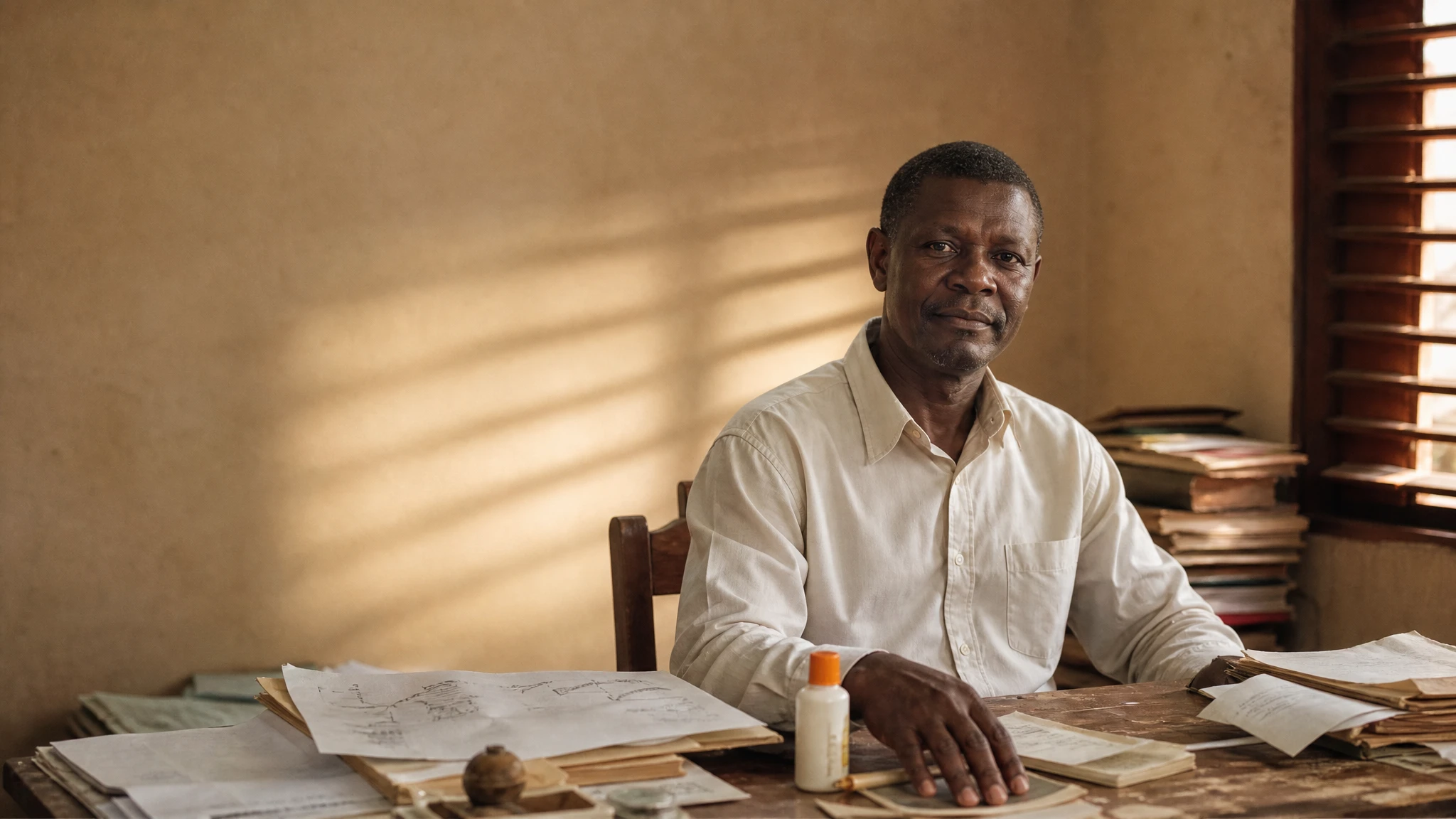
Mozambique health chief urges Africa to invest in science
Eduardo Samo Gudo, head of Mozambique's National Institute of Health, called on African nations to stop depending on wealthier countries for medicines and diagnostics.