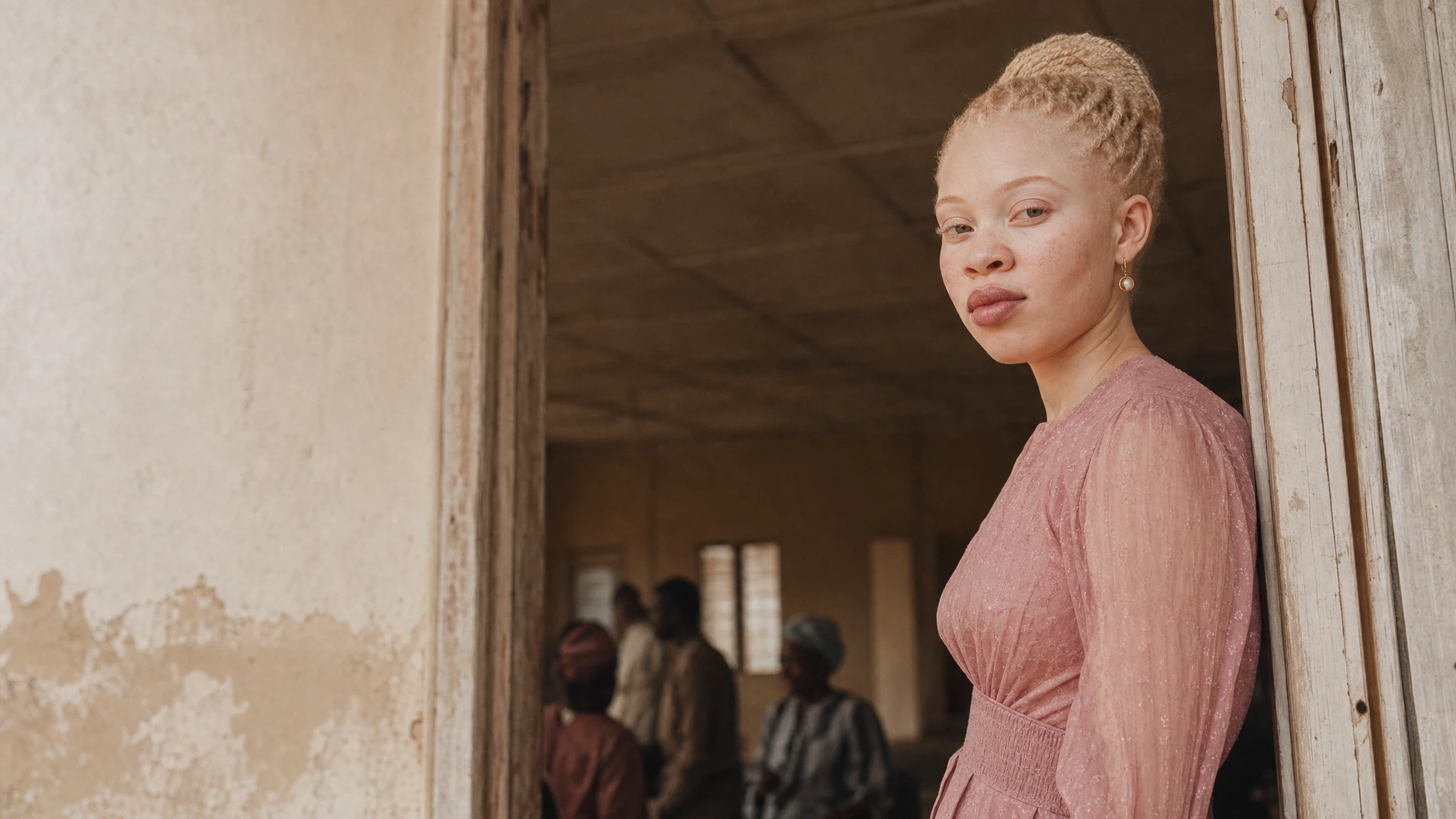
Activists and community members in Nigeria are pushing for structural change — access, representation, and dignity — over charitable sympathy.
A recurring demand is emerging from people with albinism across Nigeria: stop feeling sorry for us, and start including us.
At community gatherings and in public statements reported by Business News Nigeria, people with albinism have been clear that pity is not the same as inclusion. What they are asking for is practical — seats at decision-making tables, access to education and employment, and legal protections that are enforced rather than aspirational.
The distinction matters. Pity positions people with albinism as objects of concern. Inclusion positions them as participants. Advocates in Nigeria, according to the report, are pressing for the second.
Visibility without access
Nigeria has an estimated population of people with albinism that places it among the highest in Africa, according to previous reporting by albinism-focused organisations. Yet visibility in public life — government, media, professional sectors — remains limited.
Spokespeople cited in the Business News Nigeria report described a pattern familiar across the continent: people with albinism are acknowledged during awareness events and overlooked the rest of the year. Symbolic gestures, they argued, do not replace policy.
Sunscreen access, low-vision aids, and shade-adapted learning environments were among the specific needs raised. These are not exceptional requests — they are accommodations that allow people to work, study, and move through public space.
What inclusion actually looks like
Advocates told Business News Nigeria that meaningful inclusion requires changes at the institutional level. Employers need to understand low vision. Schools need to provide materials in accessible formats. Health services need to stock and subsidise the sun-protection products that reduce the risk of skin cancer — a disproportionate risk for people with little or no melanin in Nigeria's climate.
The community is also asking for representation that goes beyond tokenism. Being placed on a panel about albinism is not the same as being considered for roles that have nothing to do with it.
These are not new arguments. But the tone in Nigeria, as described by Business News Nigeria, has shifted. The language is less petitionary and more declarative. People are naming what they need and naming the structures that currently withhold it.
One detail from the report stands out: participants described being praised for their resilience while being denied the conditions that would make resilience unnecessary. That gap — between what is said about people with albinism and what is built for them — is exactly what the campaign intends to close.
Keywords
Core topics and entities mentioned in this summary.