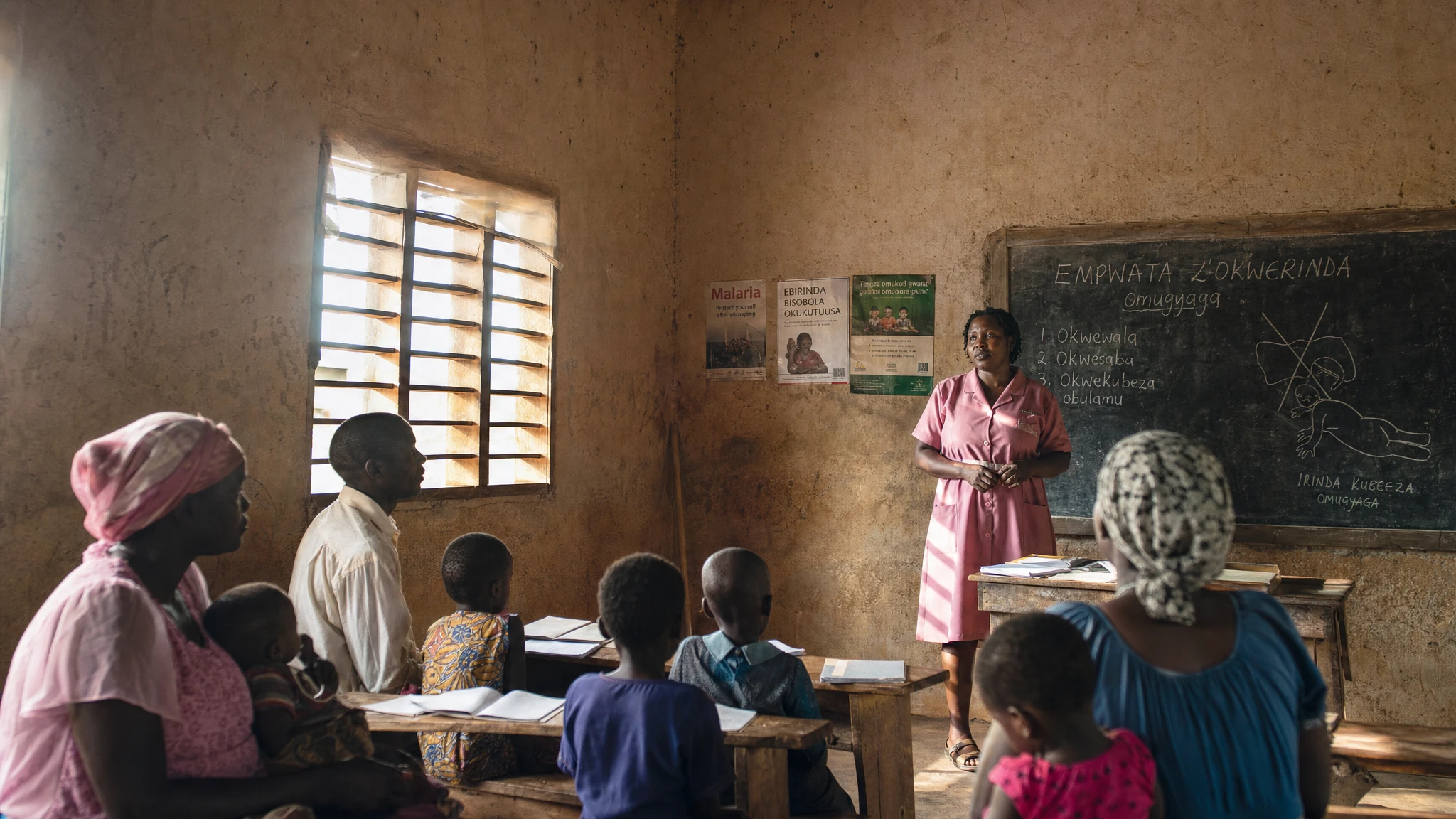
In Ntungamo District, health experts say families turning to traditional remedies for misdiagnosed conditions are causing avoidable child deaths.
In Ntungamo District, Uganda, a pattern repeats itself in health centres: a child arrives seriously ill, having already spent days or weeks under traditional care. The delay, health workers say, is often the difference between recovery and death.
Health experts in the district have cautioned families against relying on traditional remedies for illnesses commonly misread as cultural or spiritual conditions, according to a report by the Nile Post. The practitioners warned that this misidentification postpones proper diagnosis and leads to deaths that would otherwise be preventable.
The experts did not frame traditional belief as ignorance. They described a gap — between what a family sees and what a clinic can test for — that communities have historically filled with the tools available to them. The problem, they said, is that some conditions read as spiritual afflictions are in fact treatable medical ones, and time lost to the wrong treatment cannot be recovered.
Children with albinism sit at a particular intersection of this challenge. Visible difference has long attracted spiritual explanation in parts of East and Central Africa, and children whose skin or vision draws attention may be subjected to traditional interventions before a medical professional is consulted. The Nile Post report does not specify albinism by name, but the pattern health workers describe — difference misread as curse or condition, remedy applied before referral — is one the albinism community knows in precise detail.
The experts called on families to bring children to health facilities early, and on local leaders to help shift the framing from shame to care. Neither ask is small in communities where traditional and medical authority have long coexisted without clear lines between them.
Keywords
Core topics and entities mentioned in this summary.