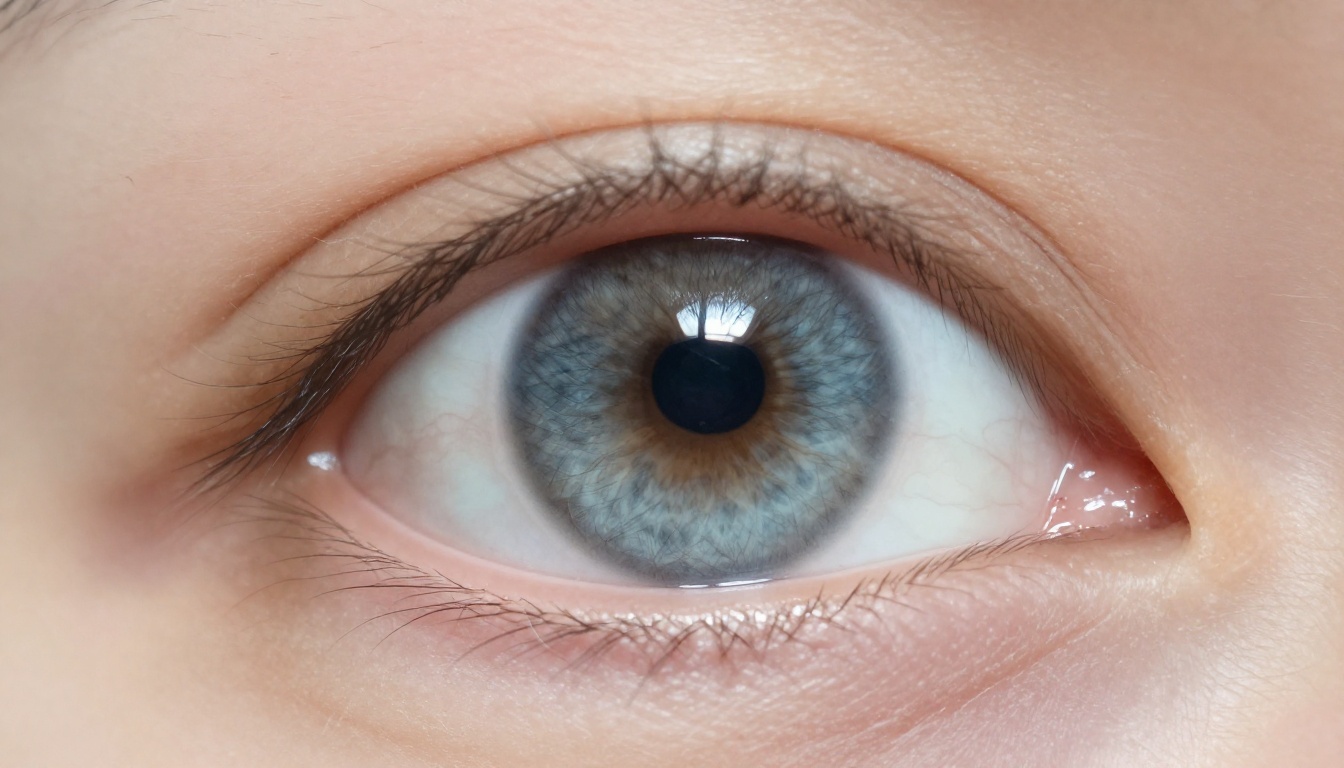
New study explores the neurological basis for spontaneous eye movements commonly experienced by people with albinism, offering insights for better care.
Understanding the visual challenges faced by people with albinism has taken a step forward thanks to recent research examining the mechanisms behind spontaneous eye movements, according to a report published in Ophthalmology Times.
People with albinism often experience involuntary eye movements, known as nystagmus, which can significantly impact vision and quality of life. The research explores the neurological underpinnings of these movements, providing valuable context for both medical professionals and individuals living with albinism.
The study highlights the connection between albinism's characteristic underdevelopment of the fovea (the central part of the retina responsible for sharp vision) and these spontaneous eye movements. Researchers found that this structural difference alters visual processing pathways in the brain, contributing to the distinctive eye movement patterns observed in people with albinism.
Visual Processing Differences
According to the report, these eye movements aren't simply a symptom but reflect the visual system's adaptation to process information differently. The research suggests that the brain develops alternative visual processing strategies when the fovea doesn't develop typically, resulting in these characteristic eye movements.
These findings have important implications for vision care providers, potentially guiding more personalized approaches to managing vision challenges in albinism. By better understanding the underlying mechanisms, specialists may develop more targeted therapies and visual aids.
Looking Forward
For the albinism community, this research represents progress toward more effective vision management strategies. While not a treatment in itself, understanding the neurological basis of these eye movements could inform future interventions that might improve visual function and comfort.
This study adds to our growing understanding of albinism's effects beyond skin and hair pigmentation, emphasizing the importance of comprehensive care that addresses the full spectrum of needs for people with albinism.
Keywords
Core topics and entities mentioned in this summary.