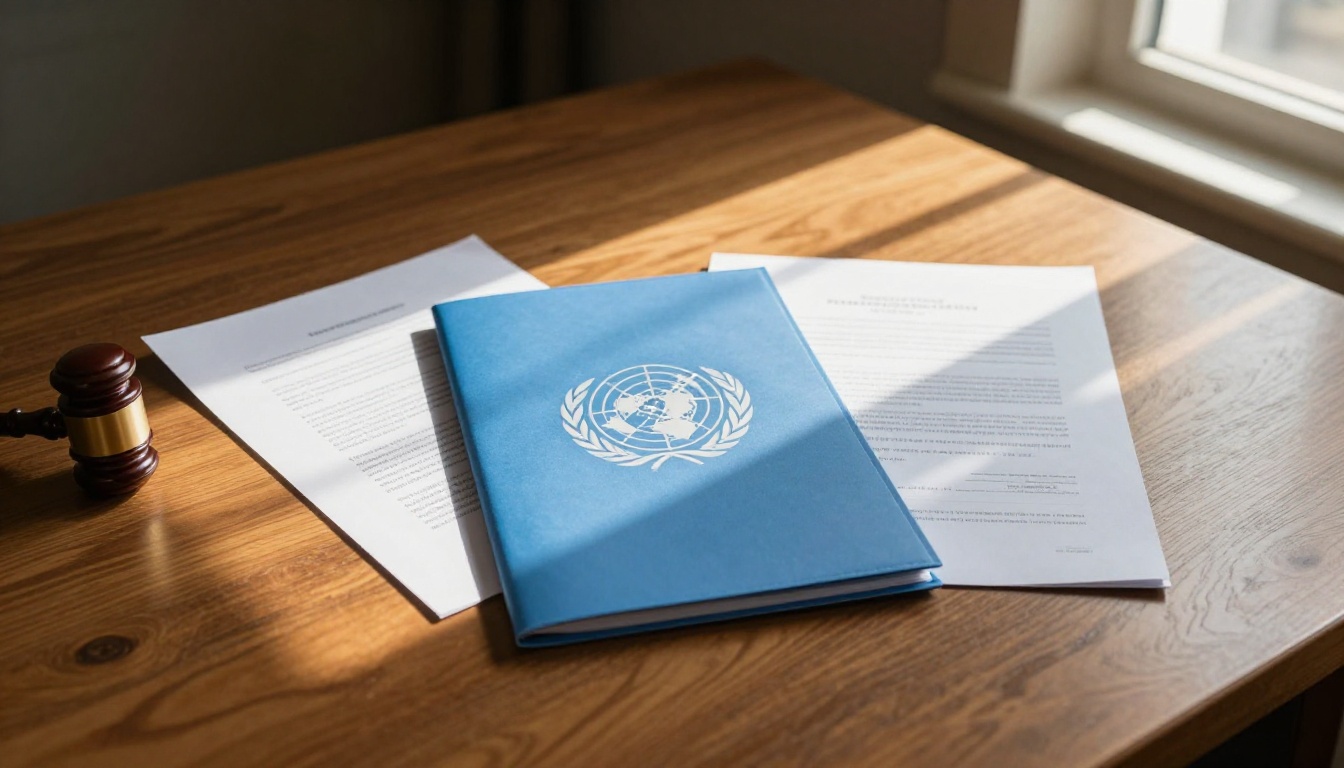
The UN Independent Expert on Albinism has released groundbreaking guidelines aimed at ending harmful practices affecting people with albinism worldwide.
In a significant development for the global albinism community, the United Nations Independent Expert on Albinism has unveiled new guidelines designed to combat harmful practices affecting people with albinism around the world.
The guidelines represent a crucial step forward in protecting the human rights of people with albinism, who continue to face discrimination and dangerous practices in many regions. According to the UN expert, these guidelines provide a comprehensive framework for governments, organizations, and communities to address and eliminate harmful traditions that target people with albinism.
Understanding the Need
People with albinism face unique challenges globally, from social discrimination to physical attacks. In some communities, harmful practices stem from misbeliefs about albinism, including superstitions that body parts of people with albinism hold magical properties. These dangerous misconceptions have led to attacks, mutilations, and killings in certain regions.
The new UN guidelines specifically target these harmful practices by providing clear definitions, outlining prevention strategies, and establishing protection mechanisms. They emphasize education and awareness as key components in changing cultural attitudes that endanger people with albinism.
Practical Implementation
The guidelines offer practical recommendations for governments, including the need to enact specific legislation criminalizing attacks against people with albinism and providing adequate support services for survivors. They also highlight the importance of including people with albinism in the development and implementation of policies that affect them.
"No one should live in fear because of their genetic condition," the UN expert notes in the report, emphasizing that traditional practices that harm people with albinism cannot be justified under any cultural or traditional contexts.
The guidelines also address the intersectional discrimination faced by women and children with albinism, who often experience heightened vulnerability to harmful practices and require specific protection measures.
For the albinism advocacy community, these guidelines provide an important tool to hold governments accountable and push for concrete policy changes. They create a standardized approach to addressing harmful practices while respecting cultural sensitivities and promoting educational initiatives.
As implementation begins across different countries, these guidelines mark a hopeful step toward a world where people with albinism can live free from fear and discrimination, with their human rights fully recognized and protected.
Keywords
Core topics and entities mentioned in this summary.