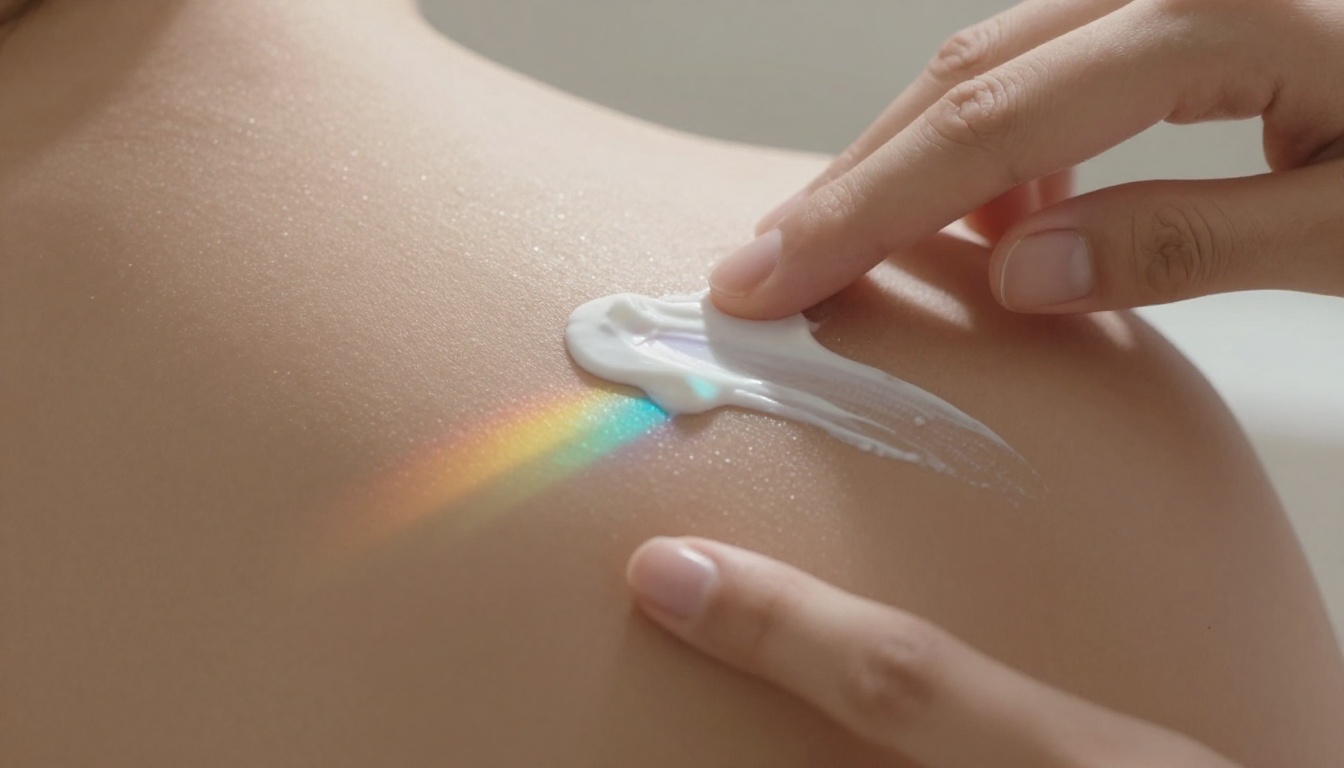
Recent dermatology research explores innovative approaches to UVB protection, offering promise for those with albinism and others at high risk of skin cancer.
Understanding how our skin responds to ultraviolet radiation has never been more crucial, particularly for people with albinism who face significantly higher risks of skin cancer due to reduced melanin protection.
According to recent research published in the Journal of Investigative Dermatology, UVB radiation acts as both a mutagen and an immunosuppressant, making it the most significant environmental factor in developing skin cancers. The journal highlights that UVB exposure and age remain the primary risk factors for nonmelanoma skin cancers (NMSCs), including basal cell carcinoma and squamous cell carcinoma.
The statistics are sobering. Researchers note that the incidence of these skin cancers continues to rise with our aging population. According to the study, approximately one in five individuals in the United States will develop skin cancer by age 70.
Implications for the Albinism Community
For people with albinism, these findings carry special significance. Without the natural protection that melanin provides against UV radiation, individuals with albinism must be especially vigilant about sun protection throughout their lives.
This research underscores the importance of ongoing dermatological care as part of comprehensive health management for people with albinism. Regular skin checks, consistent sun protection practices, and staying informed about advances in UV protection are essential components of preventive care.
As research continues to develop in this field, there's hope that new therapeutics targeting UVB tolerance could eventually provide additional layers of protection beyond traditional sunscreens and protective clothing—potentially transforming skin cancer prevention for those most vulnerable.
Keywords
Core topics and entities mentioned in this summary.