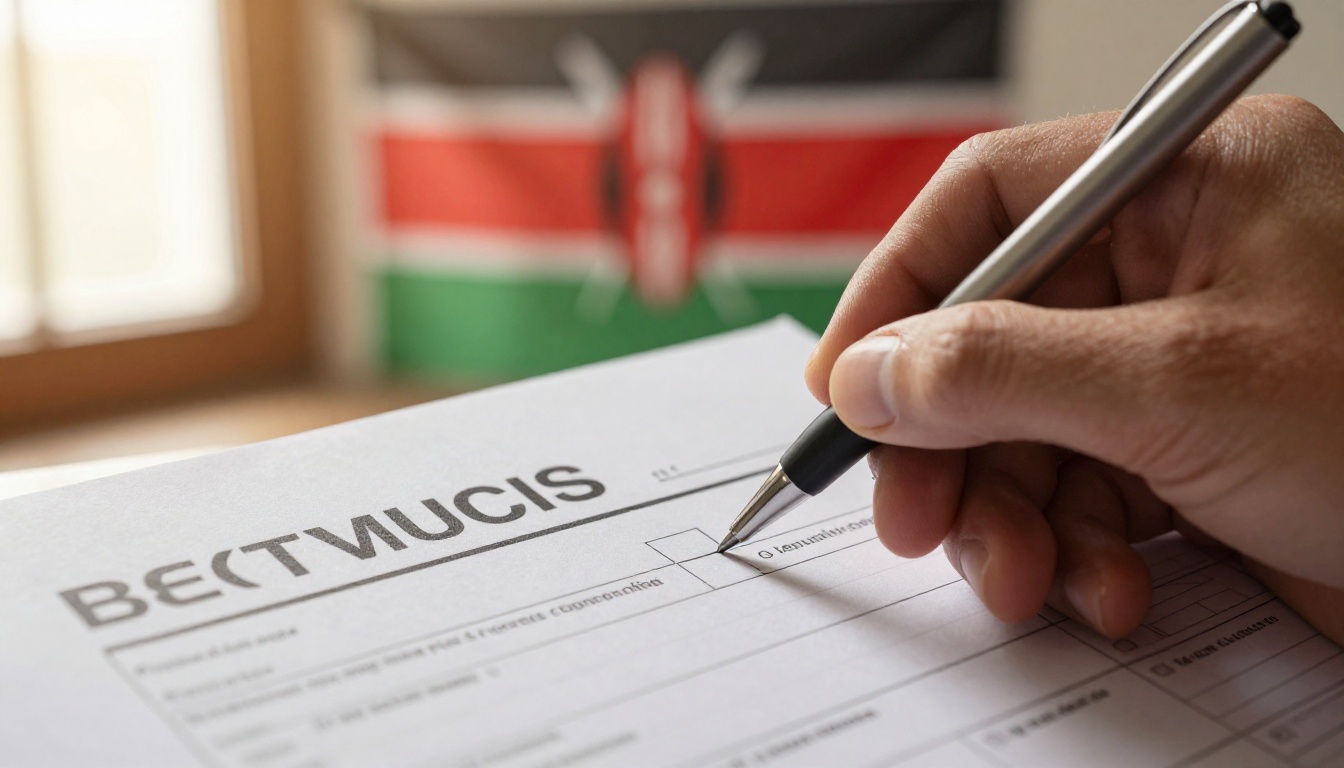
Kenya has made significant progress by including persons with albinism in national census data, marking an important step toward greater social inclusion.
In a significant move toward greater social inclusion, Kenya has taken an important step by incorporating persons with albinism into its national census data collection, according to the United Nations Office of the High Commissioner for Human Rights (OHCHR).
This development represents more than just a statistical change. By counting persons with albinism in national demographic data, Kenya acknowledges the existence and needs of a community that has historically been marginalized and underrepresented in official records.
"When you're not counted, you don't count in policy decisions," notes the report from the Independent Expert on Albinism. This simple but profound statement underscores why census inclusion matters so deeply for the albinism community.
The lack of reliable data has long been a barrier to developing effective policies and programs for persons with albinism across Africa. Without accurate numbers, governments struggle to allocate appropriate resources for essential services like specialized healthcare, educational support, and sun protection measures.
Kenya's initiative may serve as a model for other African nations where persons with albinism face similar challenges of invisibility in official statistics. By establishing a precedent for data collection, this move creates opportunities for evidence-based advocacy and more targeted support systems.
The Impact of Being Counted
The significance of this census inclusion extends beyond numbers. For the albinism community in Kenya, being officially counted represents recognition of their existence and unique needs by the state. This visibility can help combat the harmful myths and superstitions that have led to discrimination and violence against persons with albinism in parts of Africa.
With more accurate data, Kenyan authorities can better design and implement specialized health services, particularly for skin cancer prevention and treatment, as well as vision support—critical needs for many persons with albinism.
Looking Forward
Advocacy organizations working with the albinism community have welcomed this development while emphasizing that data collection is just the beginning. The true measure of progress will be how this information translates into concrete policies that improve daily life for persons with albinism.
As Kenya demonstrates leadership in this area, the hope is that other countries across the region will follow suit, creating a more inclusive approach to data collection that ensures no marginalized group remains statistically invisible.
For persons with albinism in Kenya, being counted in the national census represents an important acknowledgment of their citizenship and rights—a crucial first step on the longer journey toward full social inclusion and equality.
Keywords
Core topics and entities mentioned in this summary.