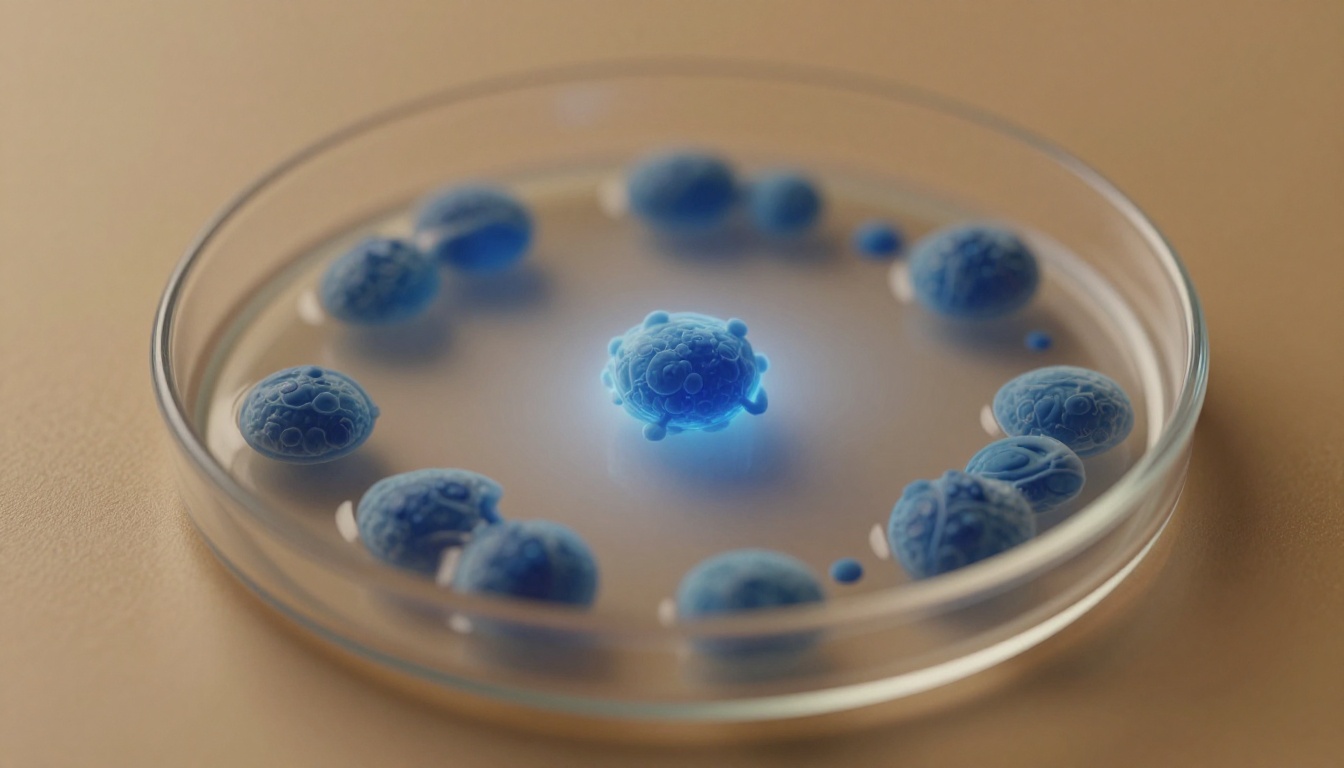
Research identifies a key enzyme in cancer stem cells that may offer new treatment pathways for basal cell carcinoma, a common skin cancer.
New research has uncovered a potential breakthrough in understanding how certain skin cancers maintain their ability to grow and resist treatment.
According to a study published in the Journal of Investigative Dermatology, scientists have identified a specific enzyme that appears to play a crucial role in sustaining cancer stem cells in basal cell carcinoma (BCC), one of the most common types of skin cancer.
The research focuses on an enzyme called deiodinase type 3 (D3), which regulates thyroid hormone activity. According to the findings, this enzyme is particularly active in cancer stem cells—the most resilient and tumorigenic cells within a cancer that can drive tumor growth and recurrence.
Cancer Stem Cells and Treatment Resistance
Cancer stem cells present a significant challenge in cancer treatment. The researchers note that these cells operate within a hierarchical organization inside tumors, with varying abilities to proliferate and even drive cancer relapse after treatment.
What makes this discovery particularly significant is that cancer stem cells are known to be resistant to conventional therapies. By identifying D3 as a marker in the most tumorigenic stem cell subpopulation, the study reveals a potential new target for treatments.
From Lab to Clinical Application
The research combined animal studies using a genetic mouse model of basal cell carcinoma with analyses of human BCC specimens. This comprehensive approach strengthens the findings' relevance to human patients.
Thyroid hormone plays an essential role in regulating cell proliferation and differentiation throughout the body. The identification of its inactivating enzyme (D3) in cancer stem cells suggests that thyroid hormone regulation may be a previously unexplored pathway in skin cancer development and treatment.
For people with albinism who face increased skin cancer risks due to reduced melanin protection, research advancements in understanding skin cancer mechanisms and potential new treatment targets could have particular significance.
Keywords
Core topics and entities mentioned in this summary.