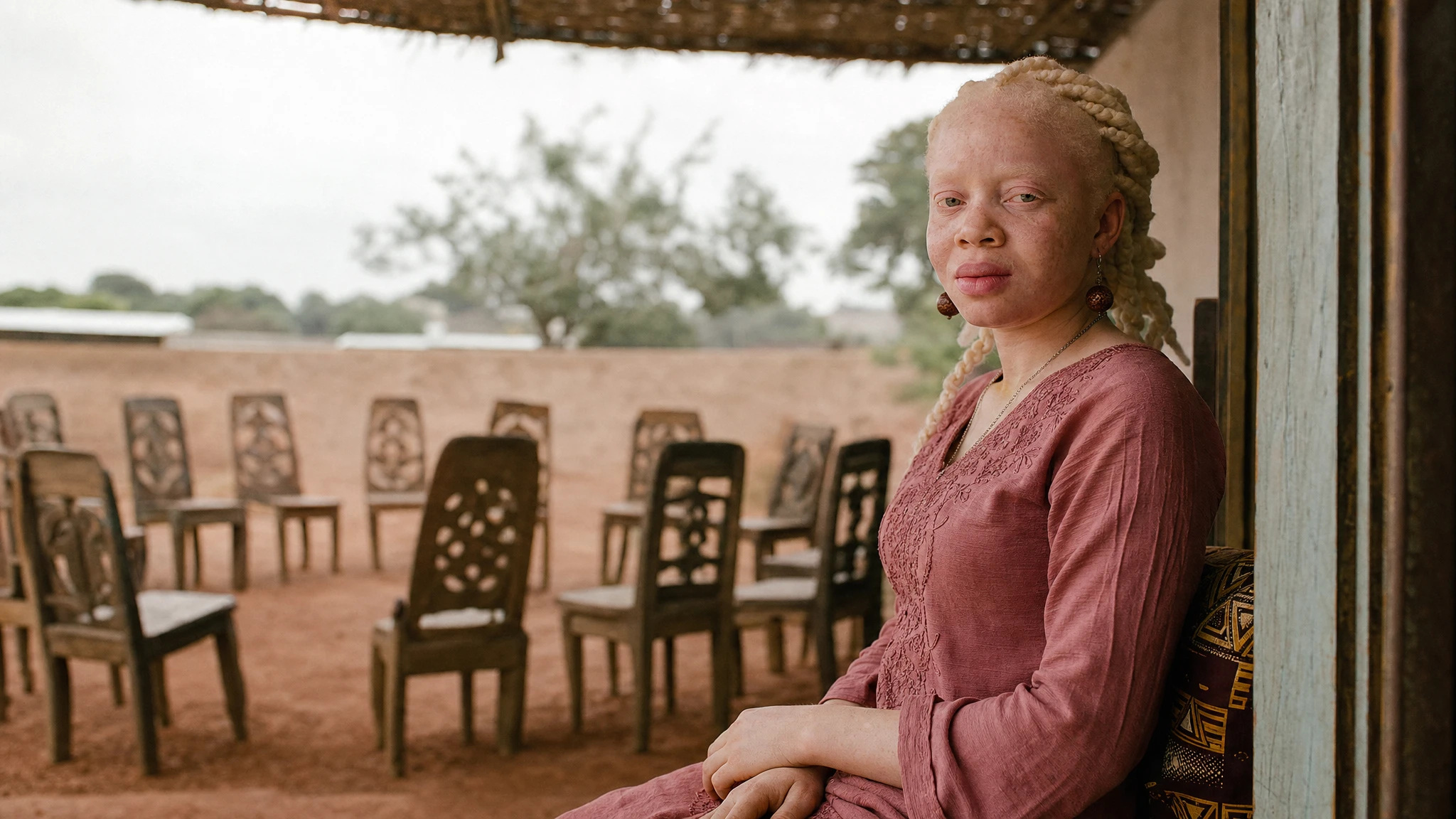
A 2020 UN report found that pandemic conditions worsened witchcraft accusations and ritual violence against people with albinism across Sub-Saharan Africa.
In July 2020, as health systems worldwide focused on containing a pandemic, a quieter crisis was deepening. The UN Independent Expert on the enjoyment of human rights by persons with albinism published a report documenting how COVID-19 had compounded an existing pattern of ritual attacks and witchcraft accusations targeting people with albinism.
The report, issued by the Office of the High Commissioner for Human Rights, examined what it termed "harmful practices against persons with albinism involving witchcraft and ritual attacks" — a category of violence the UN has tracked for over a decade. Its focus was the period during which pandemic restrictions reshaped daily life, reduced access to justice, and left many people more isolated and more vulnerable.
What the report found
According to the Independent Expert, the economic disruption caused by COVID-19 intensified demand for so-called magical remedies in some communities — remedies that perpetuate the false belief that body parts of people with albinism carry protective or wealth-generating powers. The report found that reduced movement, court closures, and overstretched law enforcement created conditions in which perpetrators faced fewer immediate consequences.
The Independent Expert also noted that people with albinism in rural areas faced compounded risk. Social distancing measures disrupted the community networks and safe houses that many relied on for protection. Access to legal support, already limited before the pandemic, narrowed further.
The report identified Sub-Saharan Africa — particularly Malawi, Tanzania, and Mozambique — as the regions where documented cases were most concentrated, though the Independent Expert acknowledged that underreporting remained a significant barrier to a full picture.
The longer pattern
The 2020 report did not describe an isolated crisis. It placed pandemic-era attacks within a documented history of violence rooted in harmful myths — myths that UN mechanisms have repeatedly described as false and without any cultural or scientific basis. People with albinism are not cursed. Their bodies carry no special power. The Independent Expert has made both points plainly, in multiple reports, across multiple years.
What COVID-19 did, according to the report, was remove friction from a pattern that was already there: weakened oversight, economic desperation, and the enduring absence of accountability for past attacks.
The report called on states to maintain protection mechanisms for people with albinism even under emergency health conditions, and to ensure that pandemic measures did not further exclude an already marginalised group from justice and safety.
Four years on, the structural conditions the report described — poverty, impunity, myth — remain largely unchanged.
Keywords
Core topics and entities mentioned in this summary.