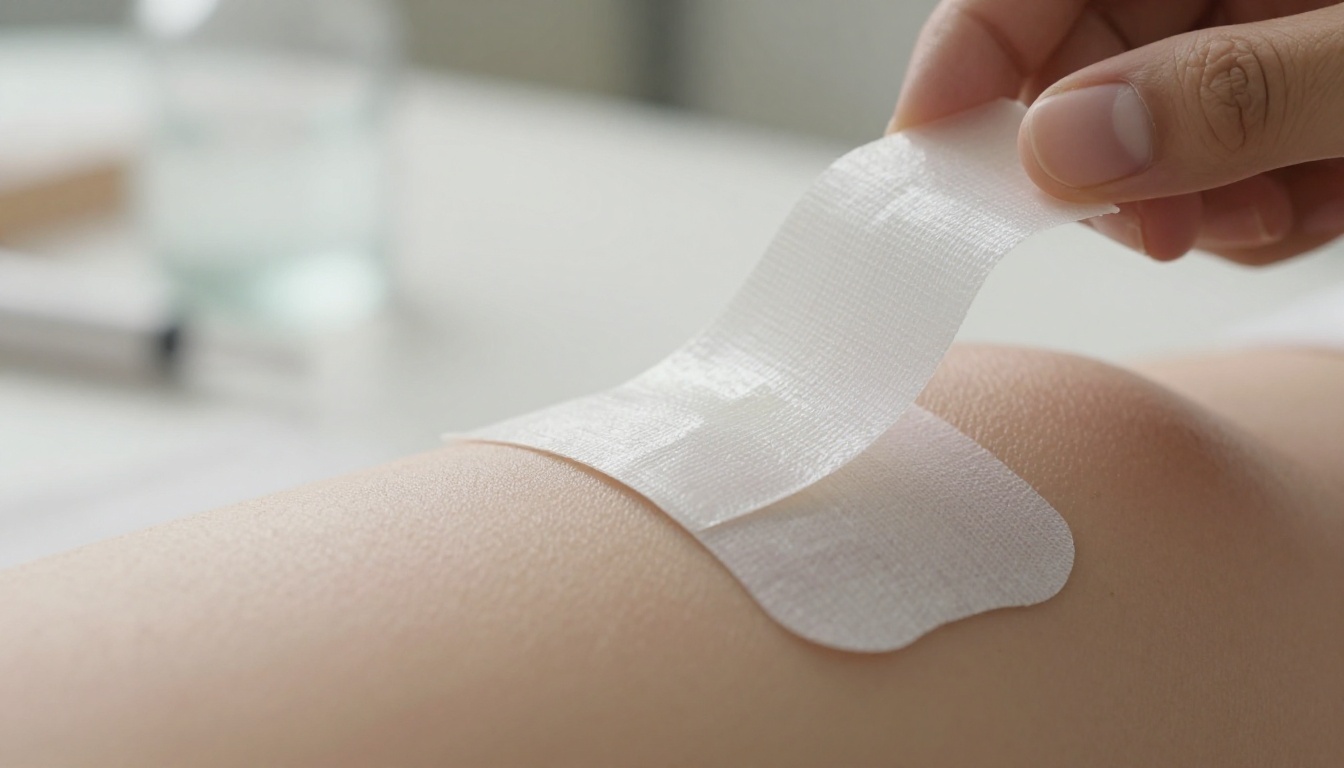
Tape-stripping technique may offer a gentler way to study skin characteristics in ichthyosis, with new research revealing distinctive biomarkers.
A promising minimally-invasive technique could make studying rare skin conditions easier and more comfortable for patients. According to new research published in the Journal of Investigative Dermatology, simple adhesive tape strips can effectively capture important biological markers in various forms of ichthyosis, including those that affect some people with albinism.
Ichthyosis represents a group of genetic skin disorders characterized by dry, thickened, and scaling skin. While these conditions share visual similarities, they arise from different genetic causes and may require different treatment approaches.
Researchers examined skin samples from 27 patients with four different forms of ichthyosis: Netherton syndrome, congenital ichthyosiform erythroderma (CIE), lamellar ichthyosis (LI), and epidermolytic ichthyosis (EI). They compared these samples to 18 demographically matched healthy controls using a technique called RNA sequencing.
What makes this study particularly noteworthy is the sampling method. Rather than performing skin biopsies, which require cutting tissue samples and can be uncomfortable, researchers used adhesive tape strips applied to the skin's surface. This technique has previously been validated in other inflammatory skin conditions but hadn't been thoroughly explored for ichthyosis disorders.
The tape-stripping approach represents a significant step forward in studying rare skin conditions with minimal discomfort to patients. This is especially valuable for conditions that may require ongoing monitoring or repeated testing.
For the albinism community, advancements in non-invasive diagnostic techniques are particularly relevant. Some forms of albinism, such as Hermansky-Pudlak Syndrome, can include ichthyosis-like skin manifestations. Developing gentler methods to study these conditions supports better patient care while advancing scientific understanding.
As research continues, these minimally invasive approaches may help clinicians better distinguish between different forms of ichthyosis and potentially guide more targeted treatments in the future.
Keywords
Core topics and entities mentioned in this summary.