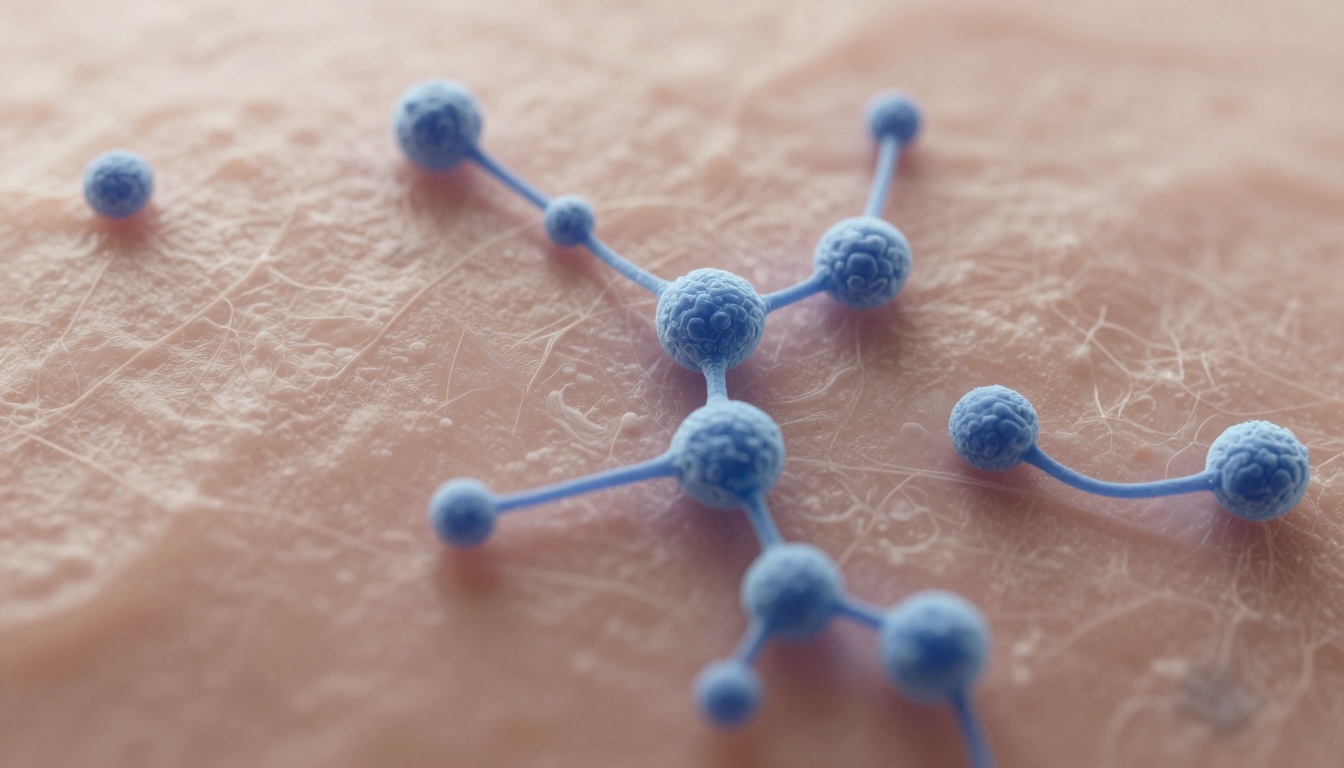
New research illuminates how desmoplakin proteins respond to mechanical stress in skin cells, with implications for rare skin conditions including those affecting people with albinism.
Groundbreaking research using super-resolution imaging has revealed important new details about how skin cells maintain their connections under mechanical stress, according to findings published in the Journal of Investigative Dermatology.
The study focused on structures called desmosomes, which function as critical cellular junctions that give mechanical strength to tissues including the skin, heart, and epithelial tissues throughout the body. Of particular interest to researchers was a protein called desmoplakin (DP), which serves as a vital anchor between these junctions and the structural framework inside skin cells.
This research has special relevance for understanding certain skin conditions that can be particularly challenging for people with albinism, who already face increased skin vulnerability due to reduced melanin protection.
How Skin Cells Maintain Their Integrity
According to the researchers, desmoplakin plays a crucial role in maintaining the structural integrity of the epidermis—the outermost layer of skin. When this protein doesn't function properly, it can impair cell adhesion and compromise skin strength.
The study revealed that desmoplakin undergoes architectural rearrangement when stretched, suggesting a dynamic response to mechanical stress rather than a static anchoring function.
Implications for Skin Disorders
The Journal findings noted that pathogenic (disease-causing) desmoplakin can lead to several serious skin conditions, including striate palmoplantar keratoderma and lethal acantholytic epidermolysis bullosa. It may also contribute to systemic diseases like Carvajal syndrome.
For the albinism community, whose members often need to take extra precautions with skin care and protection, understanding these fundamental cellular processes could eventually lead to better approaches for maintaining skin health and treating complications.
This research represents an important step forward in understanding the microscopic mechanisms that keep skin cells firmly attached to one another, potentially opening doors to new therapeutic approaches for skin fragility conditions in the future.
Keywords
Core topics and entities mentioned in this summary.