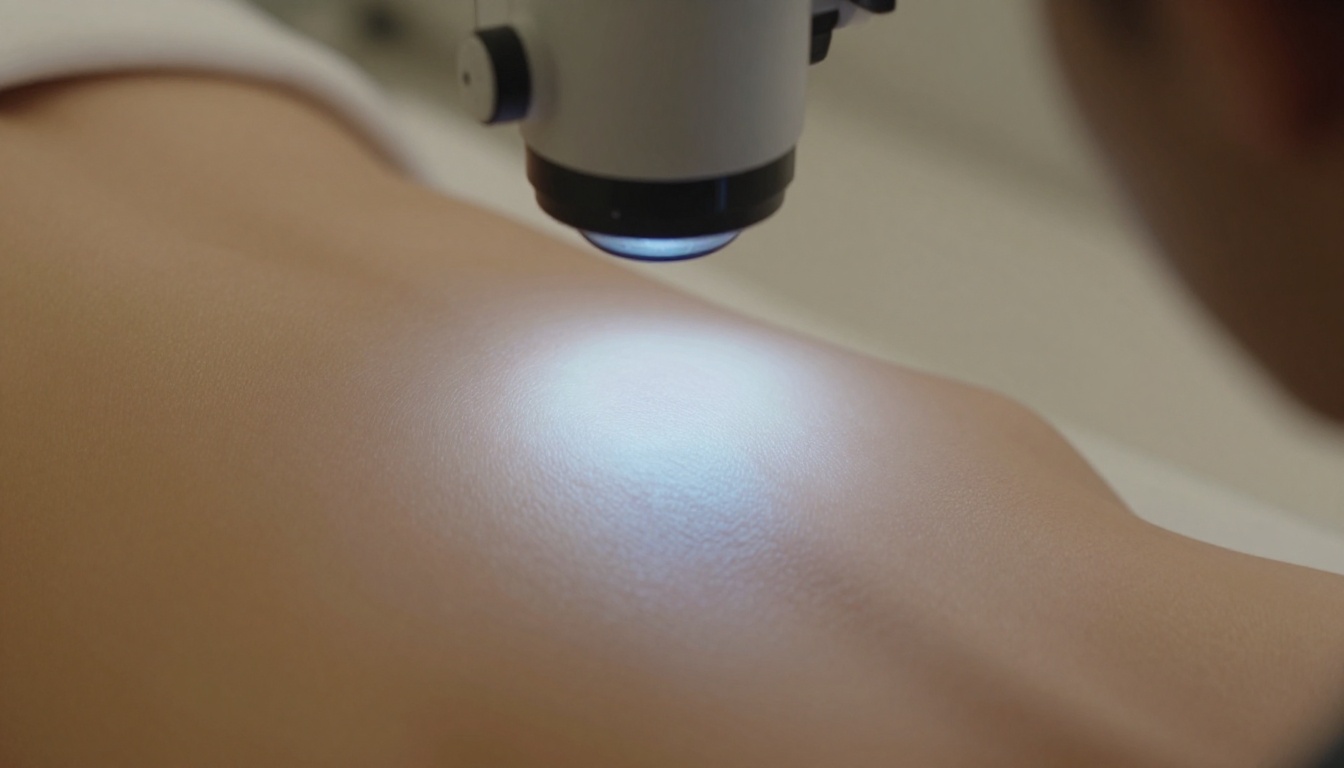
A review of emerging skin imaging technologies shows promise for melanoma detection, with important implications for skin health monitoring in people with albinism.
As melanoma rates continue to climb while access to dermatologists remains limited, new imaging technologies offer hope for improved skin cancer detection that could benefit people with albinism, who face increased skin cancer risks.
A comprehensive scoping review published in the Journal of Investigative Dermatology has identified 114 diagnostic-accuracy studies evaluating 11 different noninvasive imaging modalities for melanoma detection. These technologies range from photography-based approaches and dermoscopy to more advanced methods like reflectance confocal microscopy, optical coherence tomography, and even Raman spectroscopy.
Why This Matters for the Albinism Community
People with albinism experience significantly higher risks of developing skin cancers, including melanoma, due to reduced melanin production. Regular dermatological monitoring is essential, yet specialized care can be difficult to access in many regions.
These emerging technologies could eventually expand access to skin monitoring beyond traditional clinical settings, potentially bringing specialized screening capabilities to underserved communities or remote areas where dermatologists are scarce.
Looking Forward
While the research doesn't specifically address albinism, the advancement of noninvasive imaging tools presents opportunities for improved early detection of skin abnormalities for all high-risk populations, including people with albinism.
As these technologies continue to develop and become more accessible, they may become valuable tools in the comprehensive skin care approach needed for people with albinism, potentially saving lives through earlier detection of dangerous skin changes.
Keywords
Core topics and entities mentioned in this summary.