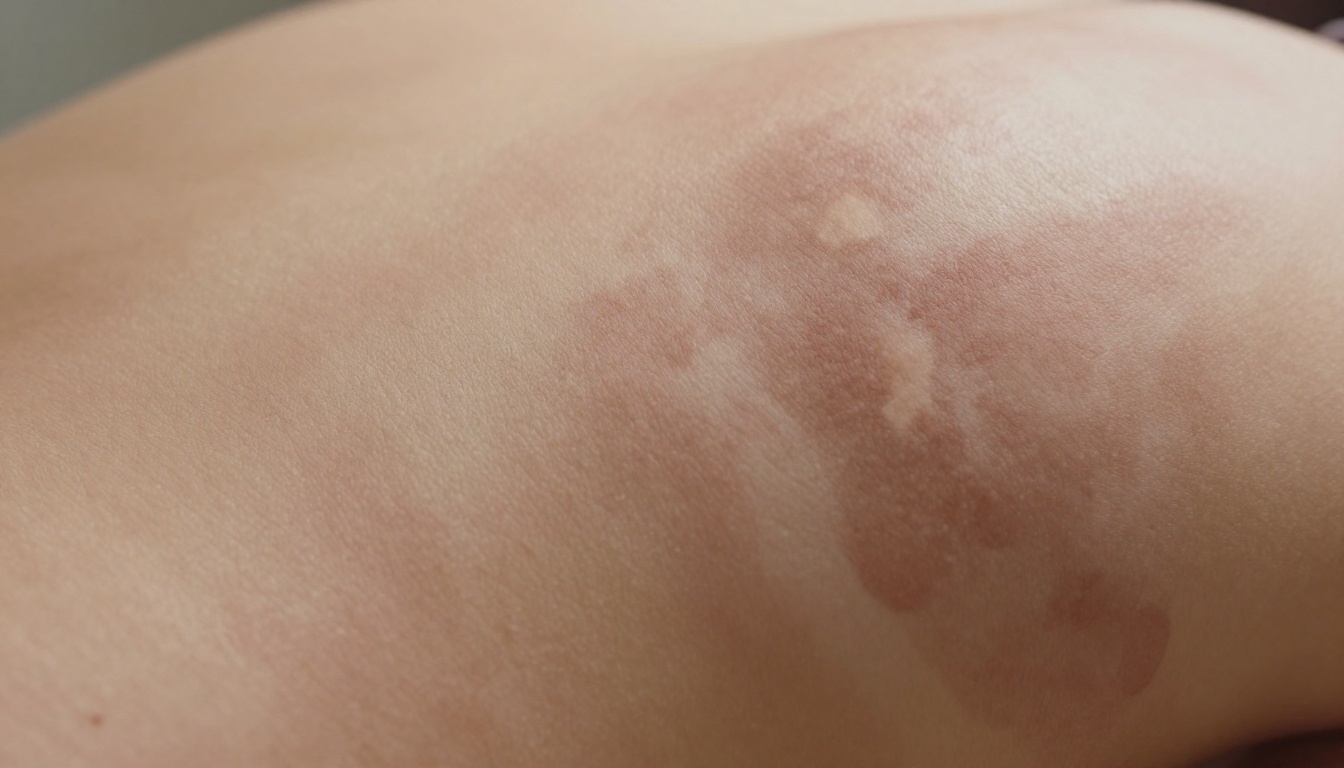
New research clarifies how segmental vitiligo differs from more common vitiligo forms, offering insights that may benefit people with albinism and similar conditions.
Dermatology researchers have highlighted important distinctions between segmental vitiligo and other forms of the condition, offering new perspectives that may benefit people with various pigmentation differences, including albinism.
According to a review published in the Journal of Investigative Dermatology, segmental vitiligo (SV) represents a unique form of the condition characterized by unilateral depigmentation—meaning it affects only one side of the body. The research indicates that SV typically stabilizes earlier than other forms and often includes leukotrichia (white hair in the affected areas).
Unlike more common forms of vitiligo that can progress throughout the body, segmental vitiligo follows distinct patterns that researchers believe may involve different underlying mechanisms. The review systematically examines epidemiology, clinical features, diagnosis methods, and treatment approaches specific to this form.
Unique Pathways Identified
The research highlights several pathways potentially involved in segmental vitiligo development. According to the review, these include neurovascular factors, immune system dysregulation, oxidative stress, and melanocyte dysfunction—the same cells affected in people with albinism, though through different mechanisms.
Understanding these distinctions matters for the broader community of people with pigmentation differences. As dermatology research advances, insights into one condition often inform approaches to others, potentially benefiting people with albinism through shared treatment pathways or diagnostic approaches.
For the community of people with albinism and other pigmentation differences, this research represents another step toward more precise understanding of how melanocytes function—or don't function—in various conditions. While albinism and vitiligo have different genetic and biochemical causes, both communities benefit from advances in the science of pigmentation and melanocyte biology.
Moving forward, these insights may contribute to more targeted therapeutic approaches not just for segmental vitiligo, but potentially for various conditions affecting skin pigmentation.
Keywords
Core topics and entities mentioned in this summary.