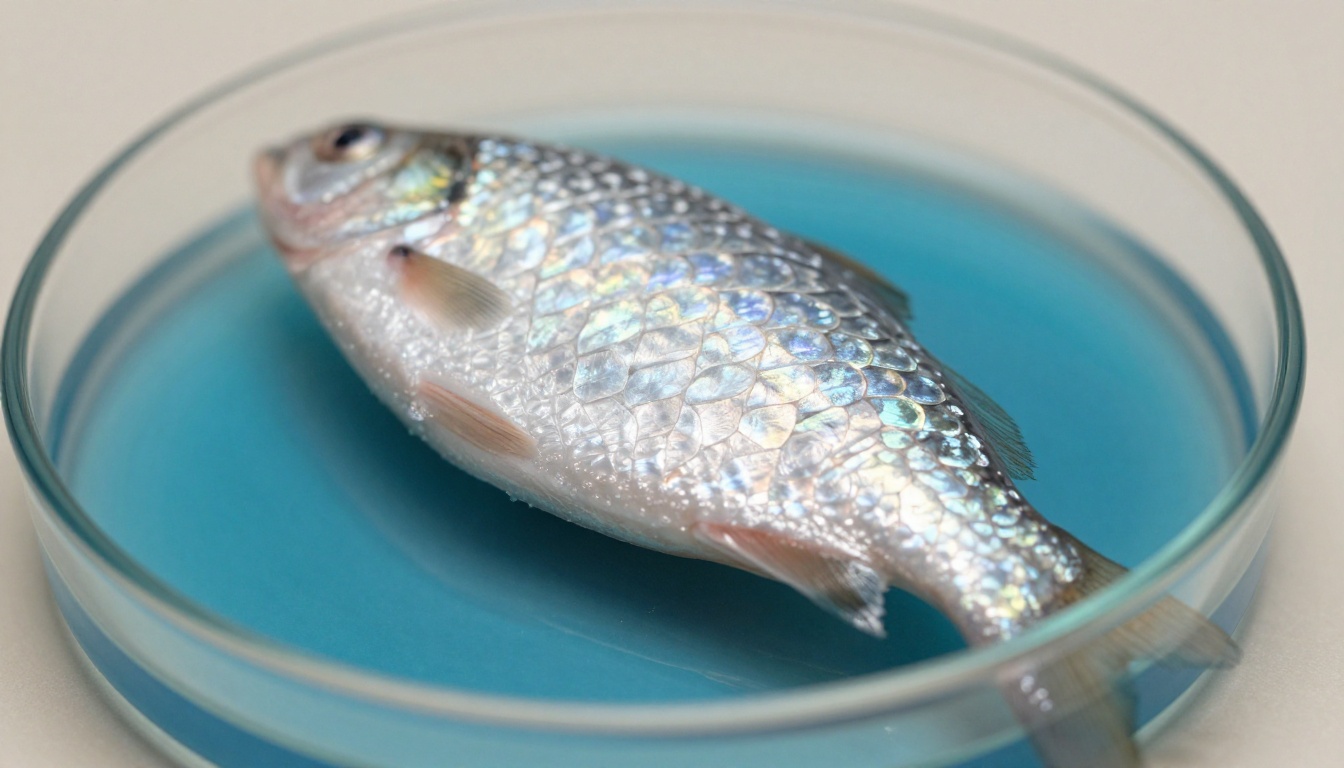
New genetic research identifies key genes associated with albinism in Wels catfish, potentially advancing our understanding of albinism across species.
Scientists have made a breakthrough in understanding the genetic basis of albinism in an unexpected place — the Wels catfish, one of Europe's largest freshwater fish species.
According to research published in Phys.org, a team of geneticists has successfully identified candidate genes associated with albinism in this distinctive aquatic species. The discovery adds another piece to the complex puzzle of how albinism manifests across different animal species.
Albinism, characterized by the reduction or absence of pigmentation, affects numerous species throughout the animal kingdom. While research has extensively documented the genetic foundations of albinism in humans and some mammals, our understanding of its genetic basis in fish species has remained limited.
Genetic Insights
The researchers compared the genetic makeup of normally-pigmented Wels catfish with specimens exhibiting albinism. Their analysis revealed several candidate genes that appear to play crucial roles in the pigmentation pathway of these fish.
While the specific genes weren't detailed in the report, this discovery potentially offers comparative insights that could benefit broader albinism research. Many genetic mechanisms are conserved across species, meaning that understanding albinism in one organism can provide valuable clues about similar processes in others, including humans.
Broader Implications
For the albinism community, this research represents another step forward in the global effort to understand the genetic foundations of various forms of albinism. Though focused on a fish species, comparative genetics often yields unexpected connections that advance medical knowledge across species boundaries.
This study adds to the growing body of evidence that albinism's genetic mechanisms follow similar patterns across diverse species, reinforcing the value of research across the animal kingdom to better understand human genetic conditions.
As genetic research continues to advance, these kinds of comparative studies between species may ultimately contribute to more comprehensive understanding of the various forms of albinism that affect humans worldwide.
Keywords
Core topics and entities mentioned in this summary.