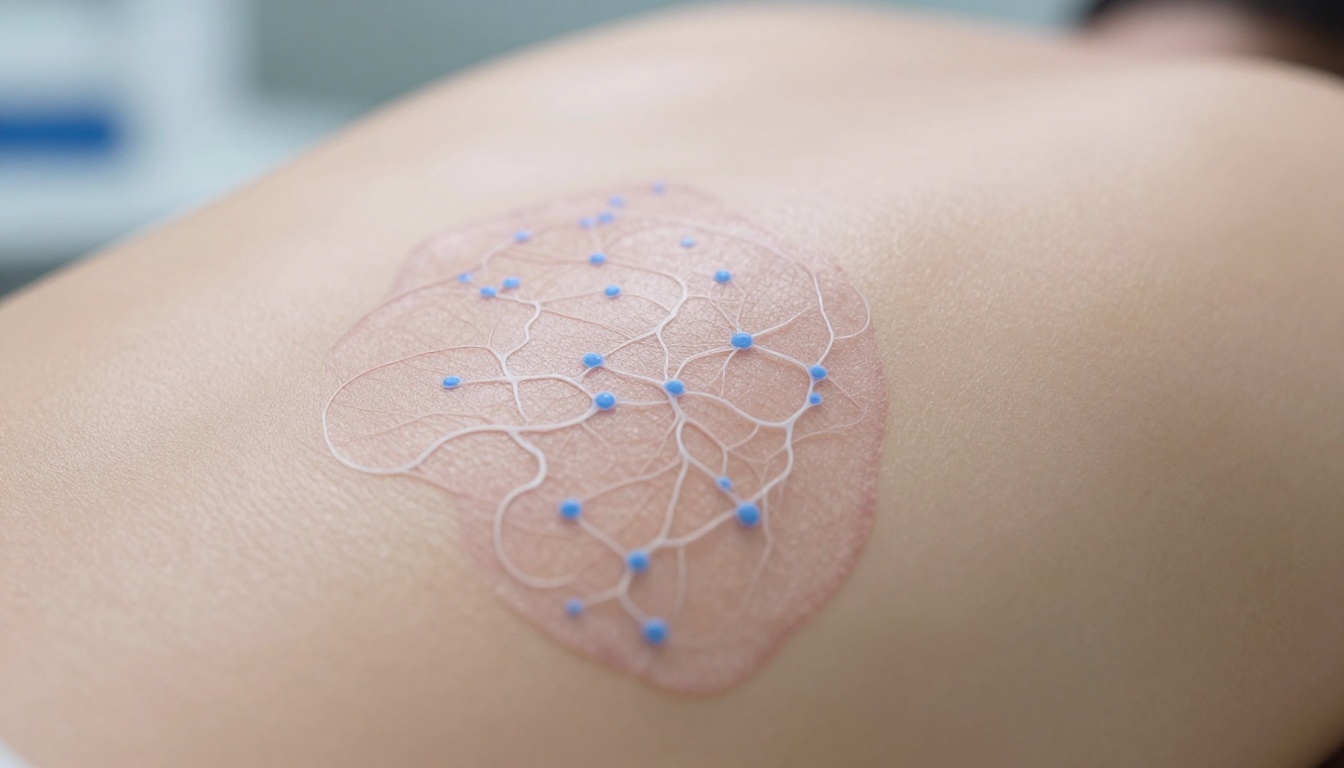
Research identifies RUNX2 as a potential treatment target for keloid scars, which disproportionately affect people with darker skin tones, including those with albinism.
A new finding in skin biology may bring hope to people who develop keloid scars, a condition that can significantly impact quality of life and disproportionately affects individuals with darker skin tones, including some people with albinism.
Researchers publishing in the Journal of Investigative Dermatology have identified a specific protein called RUNX2 as a key driver behind the excessive collagen production that creates keloid scars. These raised, thickened scars extend beyond the original wound boundaries and can cause pain, itching, and functional limitations, alongside psychological distress due to their appearance.
Keloid scars represent more than just a cosmetic concern. For people with albinism who already navigate unique skin health challenges, understanding the mechanisms behind these overgrown scars could lead to more effective treatments.
The Science Behind Keloid Formation
According to the research, keloids develop when skin healing goes into overdrive, with fibroblast cells producing far too much collagen. The researchers identified RUNX2—a transcription factor previously known for its role in bone development—as abnormally active in keloid fibroblasts.
This protein appears to act as a master regulator, triggering the overproduction of multiple collagen types that contribute to the characteristic raised, thick appearance of keloids.
Why This Matters for People with Albinism
For the albinism community, this research holds particular relevance. While albinism itself doesn't increase keloid risk, many people with albinism have ancestry from populations with higher keloid susceptibility. Additionally, the skin cancer prevention surgeries that some people with albinism require can potentially lead to scarring complications.
These findings open promising avenues for developing targeted therapies that could interrupt the biological pathway leading to keloid formation—potentially benefiting anyone prone to these difficult-to-treat scars.
As dermatological research continues to uncover the complex mechanisms behind various skin conditions, these insights bring us closer to more personalized and effective treatments for conditions affecting the diverse spectrum of human skin.
Keywords
Core topics and entities mentioned in this summary.