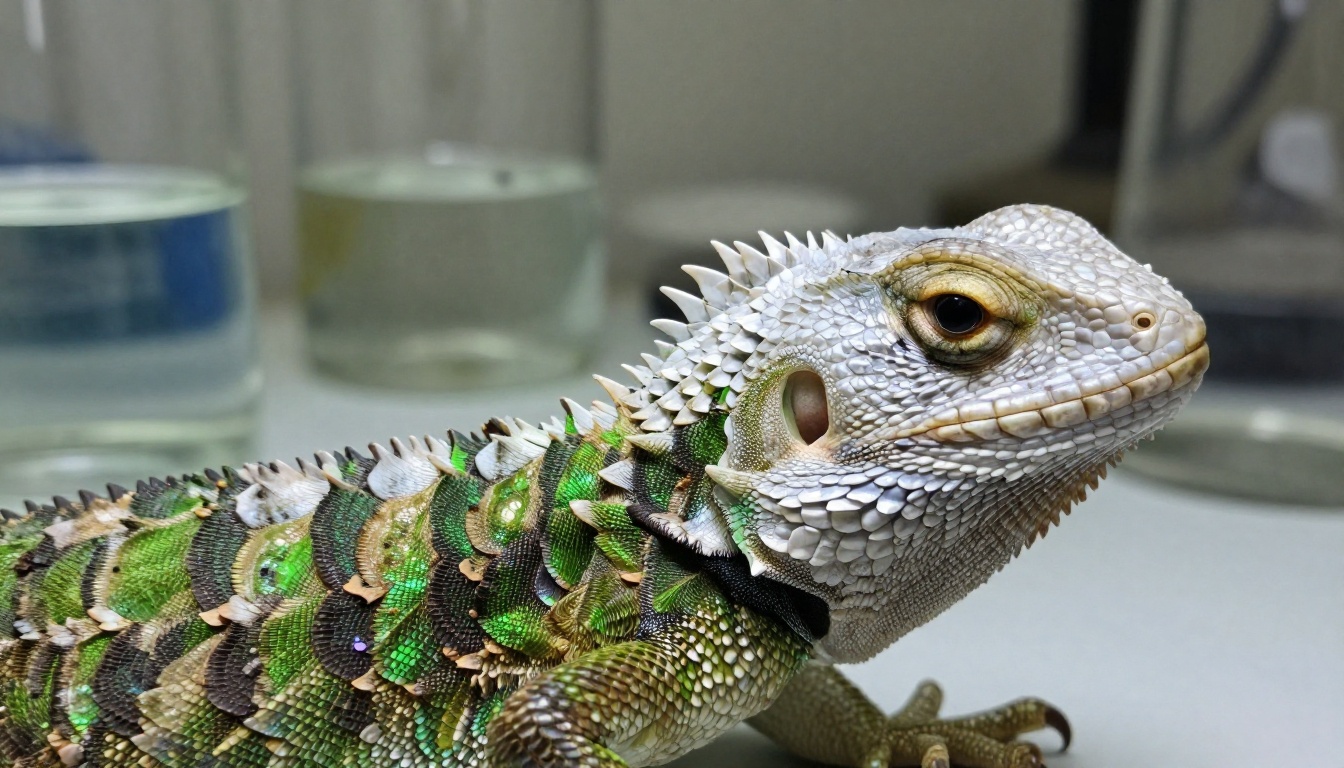
Scientists successfully produced albino lizards through genetic editing, marking a first in reptile genetic research with potential implications for albinism studies.
For the first time, researchers have successfully used gene-editing technology to produce albino lizards, opening new possibilities for understanding the genetic mechanisms behind albinism across species.
According to a study reported by Mashable India, scientists have achieved what was previously considered challenging in reptile genetics: the successful creation of albino lizards through targeted gene editing. This breakthrough could potentially expand our understanding of how albinism manifests across different animal groups.
The research represents a significant milestone in reptile genetics. Reptiles have historically been difficult subjects for genetic modification due to their unique reproductive biology and embryonic development patterns. The researchers reportedly targeted the tyrosinase gene, which plays a crucial role in melanin production — the pigment responsible for skin, hair, and eye color.
Implications for Albinism Research
While this study focuses on reptiles rather than humans, it adds valuable knowledge to the broader understanding of how genes influence pigmentation across species. Albinism in humans involves similar genetic pathways, though with important differences in expression and impact.
It's worth noting that this research was conducted for scientific understanding, not to encourage breeding of albino animals for commercial purposes. Animals with albinism face numerous challenges in the wild, including increased vulnerability to predators and sun damage — challenges that parallel some experiences of people with albinism.
The development highlights how genetic research continues to evolve across species, potentially offering insights that might indirectly benefit human medicine. However, any direct applications to human genetic conditions remain distant and would require extensive ethical consideration.
As with all genetic research, these advances come with both scientific promise and ethical questions about responsible application. For the albinism community, such research underscores the complex genetic foundations of the condition while reminding us that the lived human experience extends far beyond genetics alone.
Keywords
Core topics and entities mentioned in this summary.