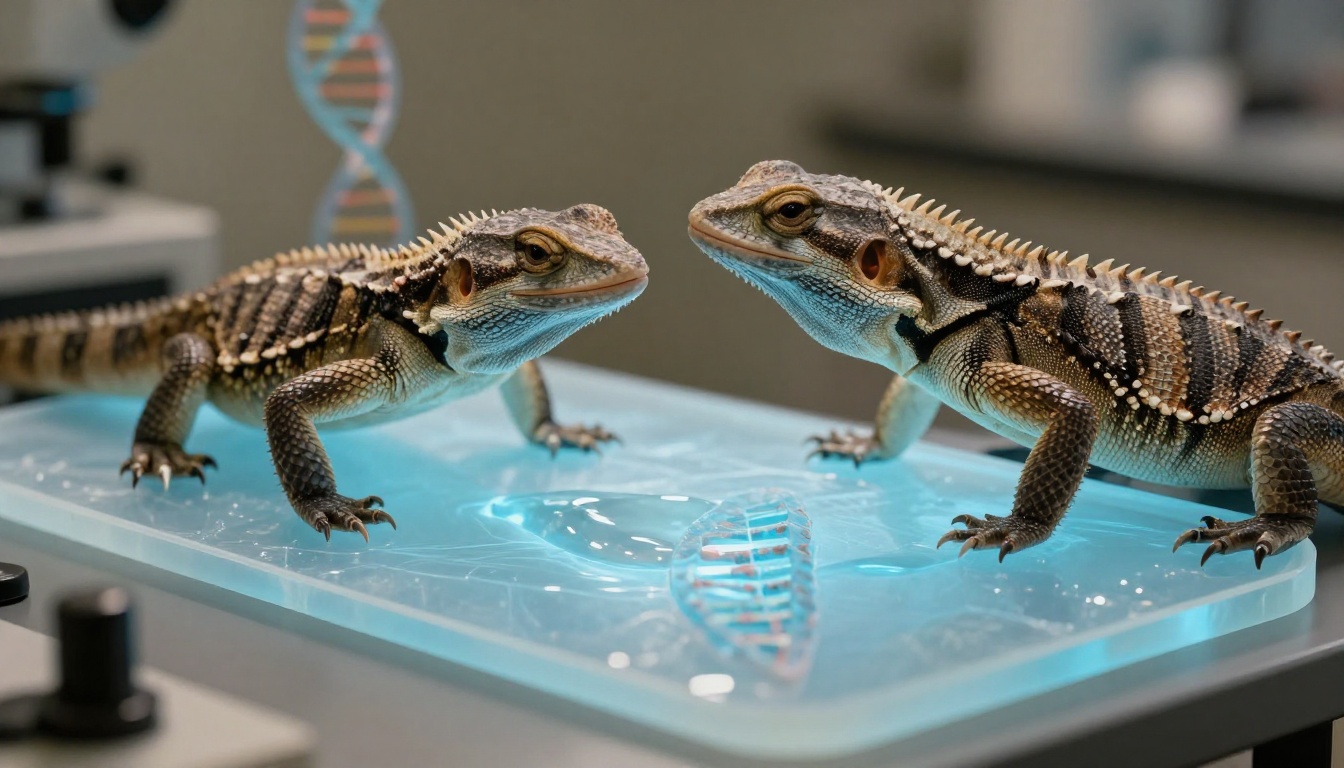
Breakthrough in CRISPR gene-editing technology with lizards provides new potential pathways for understanding albinism genetics across species.
A groundbreaking scientific achievement in gene editing could open new doors for understanding the genetic foundations of albinism. Researchers have successfully created the first-ever gene-edited lizards, according to a report from Earth.com.
The achievement represents a significant milestone in genetic research capabilities. Until now, scientists faced substantial challenges in applying gene-editing technologies like CRISPR to reptilian species, limiting our understanding of genetic conditions across different evolutionary branches.
This advancement holds particular relevance for the albinism community. Albinism occurs across numerous species, and comparative genetic research helps scientists better understand how the condition manifests through different genetic pathways. By expanding gene-editing capabilities to new animal groups, researchers gain valuable tools to explore the complex genetics behind pigmentation disorders.
Expanding Research Possibilities
The ability to gene-edit lizards opens comparative research opportunities that may ultimately benefit human medicine. Scientists can now potentially create more accurate genetic models of albinism in reptiles, allowing for deeper study of the condition's mechanisms across evolutionary boundaries.
While the research remains in its early stages, it demonstrates how expanding genetic technology to new species continues to enhance our understanding of conditions like albinism at the molecular level.
This development reminds us that advances in genetic technology across diverse species contribute to the broader understanding of genetic conditions affecting humans, potentially paving the way for future treatments and interventions for people with albinism.
Keywords
Core topics and entities mentioned in this summary.