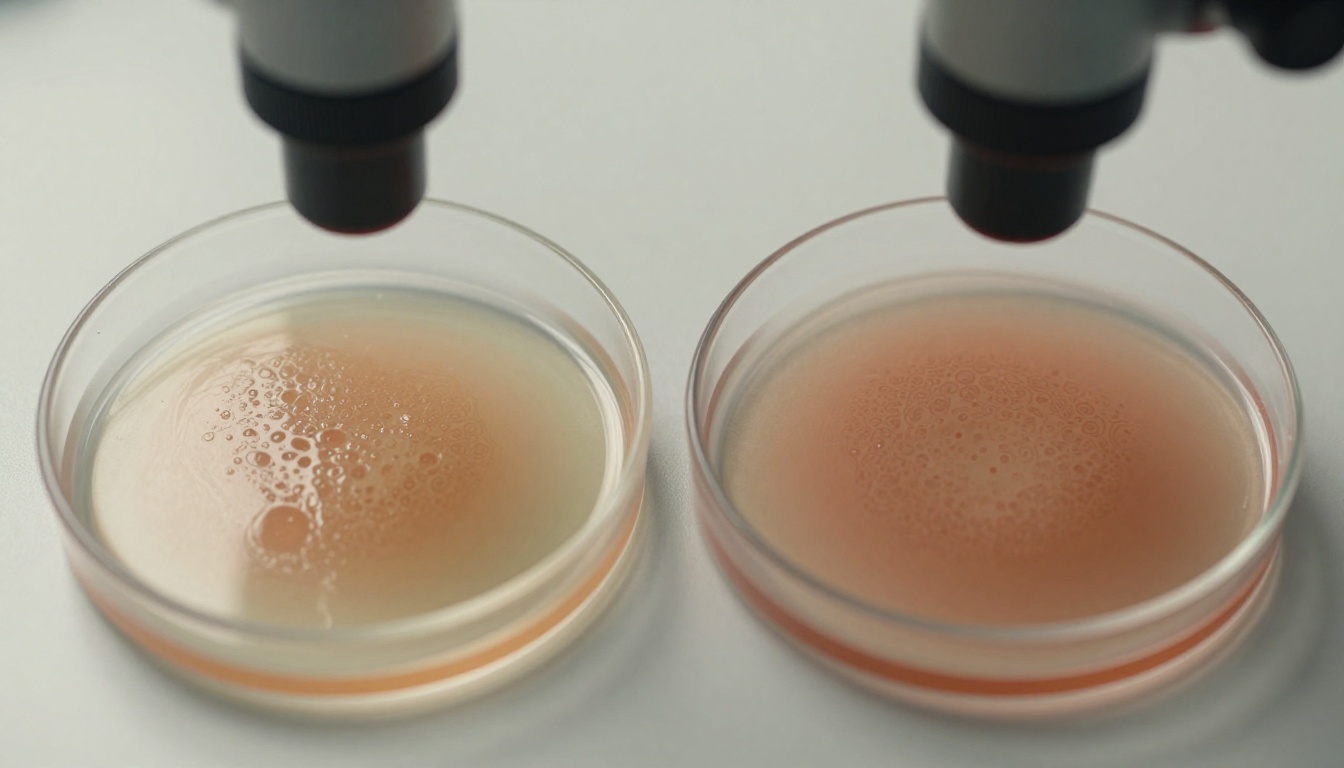
Medical researchers are reexamining how sex differences affect skin biology, with potential implications for albinism treatment approaches.
The field of dermatology is waking up to an important oversight: researchers have long neglected to account for sex differences in skin cell studies, according to a recent examination in the Journal of Investigative Dermatology.
The revelation has particular relevance for the albinism community, where understanding the nuances of skin biology directly impacts sun protection strategies and skin cancer prevention approaches.
Beyond its role as a physical barrier, skin functions as an endocrine organ with documented sex differences in structure, immunity, and disease susceptibility. These biological variations could influence how skin conditions, including those associated with albinism, manifest and respond to treatments across different sexes.
In 2016, researchers Kong et al. demonstrated that 60.4% of dermatologic studies using cultured cells failed to state donor sex, while male-derived cells were overrepresented among studies that did report this information. This analysis examined publications from 2012 to 2013, predating the implementation of major sex-integration policies by several funding agencies.
Why This Matters for Albinism
For people with albinism, whose skin requires specialized care and protection, research that accounts for all biological variables—including sex—is crucial. More comprehensive research could lead to more personalized approaches to skin protection and care.
As funding agencies now increasingly encourage consideration of sex in biomedical research, the albinism community stands to benefit from more nuanced and inclusive dermatological studies that acknowledge these biological differences.
This shift toward more comprehensive research models represents an important step forward in understanding the complex biology of skin—knowledge that could ultimately improve health outcomes for people with albinism of all sexes.
Keywords
Core topics and entities mentioned in this summary.