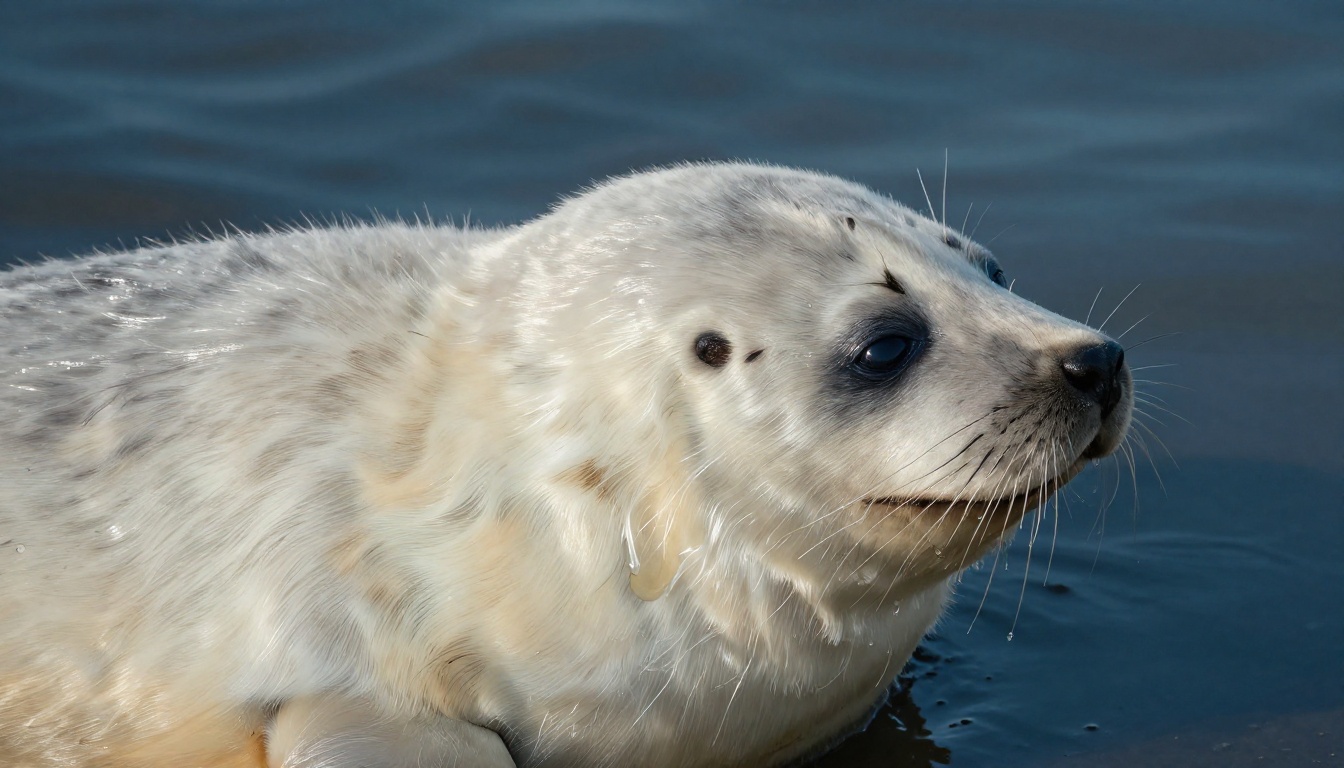
Scientists have published a rare and valuable record of albinism in a New Zealand fur seal pup, offering insights into how the condition affects marine mammals.
A groundbreaking ecological observation has emerged from New Zealand waters, where researchers have documented one of the few known cases of albinism in a fur seal pup. Published in Ecology and Evolution, the study follows the young New Zealand fur seal (Arctocephalus forsteri) through its critical weaning period.
Albinism, characterized by the absence of melanin pigmentation, is rarely documented in marine mammals in the wild. This makes the comprehensive observations of this fur seal pup particularly significant for understanding how the condition affects survival in marine environments.
According to the researchers led by Hall et al., the team was able to monitor the albino pup's development, maternal care patterns, and interactions with other seals over time. This longitudinal observation provides rare insights into how a marine mammal with albinism navigates early life challenges.
Adaptation and Survival
The study details how the albino pup coped with environmental factors that typically pose greater challenges for animals with albinism, including sun exposure and potential predation due to increased visibility. Marine mammals with albinism face unique challenges compared to their terrestrial counterparts, particularly regarding temperature regulation and protection from UV radiation.
Researchers noted the mother's care patterns appeared consistent with those shown to typically-pigmented pups, suggesting maternal bonding and nurturing instincts remained intact despite the pup's unusual appearance.
This documentation adds valuable information to the limited scientific literature on albinism in wild marine mammal populations. For the wider albinism community, such research helps illustrate how this genetic condition manifests across different species and environments, potentially offering comparative insights that might benefit human-focused research.
Conservation Implications
The researchers suggest this rare observation also has implications for conservation efforts. Understanding genetic diversity, including conditions like albinism, within protected marine mammal populations provides important baseline data for monitoring overall population health.
As marine environments face increasing pressures from climate change and human activities, documenting genetic variations becomes increasingly valuable for conservation scientists working to protect these vulnerable species.
This study represents a meaningful contribution to both marine biology and the broader understanding of albinism across species, highlighting the importance of long-term observation and documentation of such rare occurrences in the wild.
Keywords
Core topics and entities mentioned in this summary.