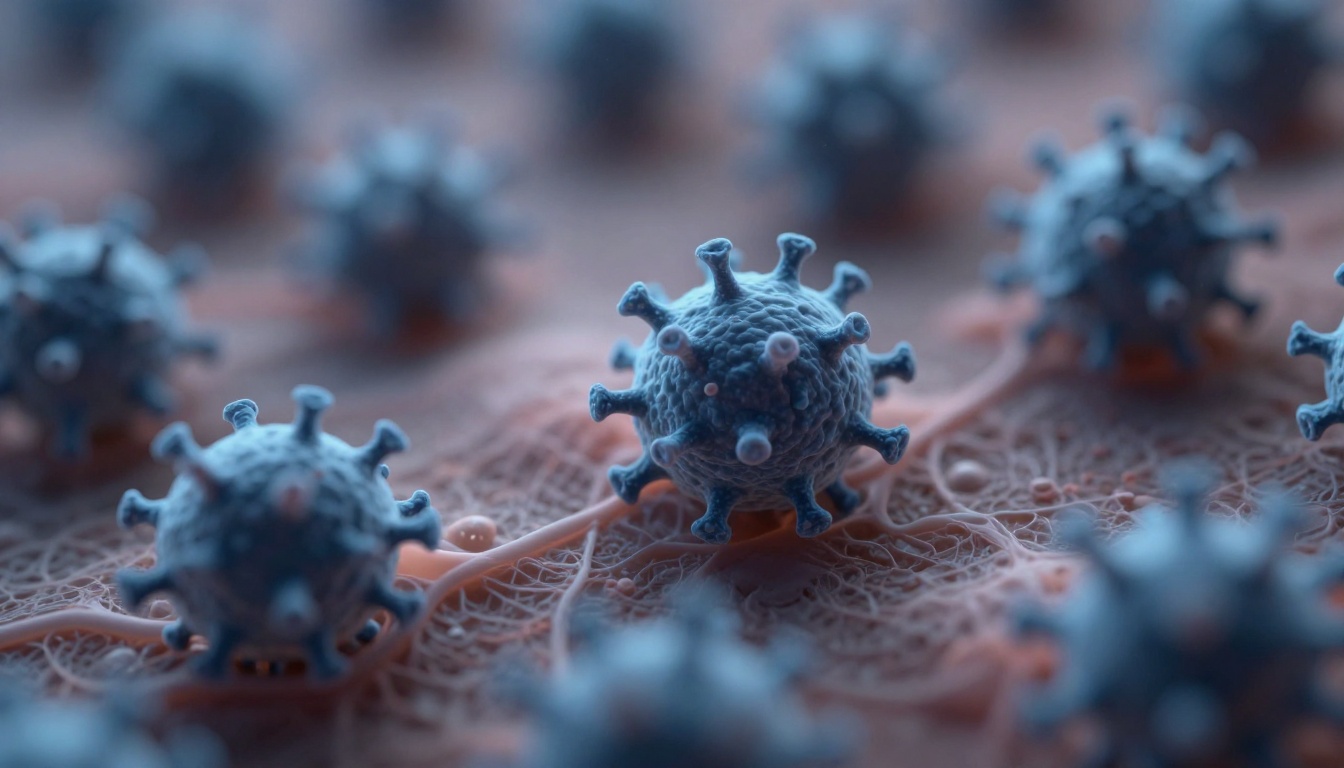
Dermatology study examines how rabies virus interacts with human skin cells, offering insights that may benefit vulnerable populations with skin conditions.
Recent research published in the Journal of Investigative Dermatology provides new insights into how rabies virus might interact with human skin cells, findings that could have implications for understanding disease transmission, particularly in populations with skin vulnerabilities.
Rabies remains a deadly zoonotic disease that is transmitted primarily through the saliva of infected animals. While most infections result from dog bites, the research highlights that superficial exposures such as bat bites or scratches can also lead to infection, though the exact mechanisms have been poorly understood until now.
According to the researchers, their interest was sparked by a significant observation: rabies virus-positive skin cells (keratinocytes) were detected in both experimentally infected mice and naturally infected dogs. This discovery prompted them to investigate the potential role these skin cells might play in rabies pathogenesis and immune response.
For people with albinism, who often have increased skin sensitivity and may experience various dermatological challenges, understanding how viruses interact with skin cells carries particular relevance. While this research doesn't specifically address albinism, any advancement in understanding skin cell interactions with pathogens adds to the broader knowledge base that ultimately benefits all populations with skin vulnerabilities.
This study represents an early step in better understanding the complex relationship between skin exposure and rabies transmission. Future research may build on these findings to develop improved prevention strategies and treatment approaches that consider the skin's role in disease transmission.
Keywords
Core topics and entities mentioned in this summary.