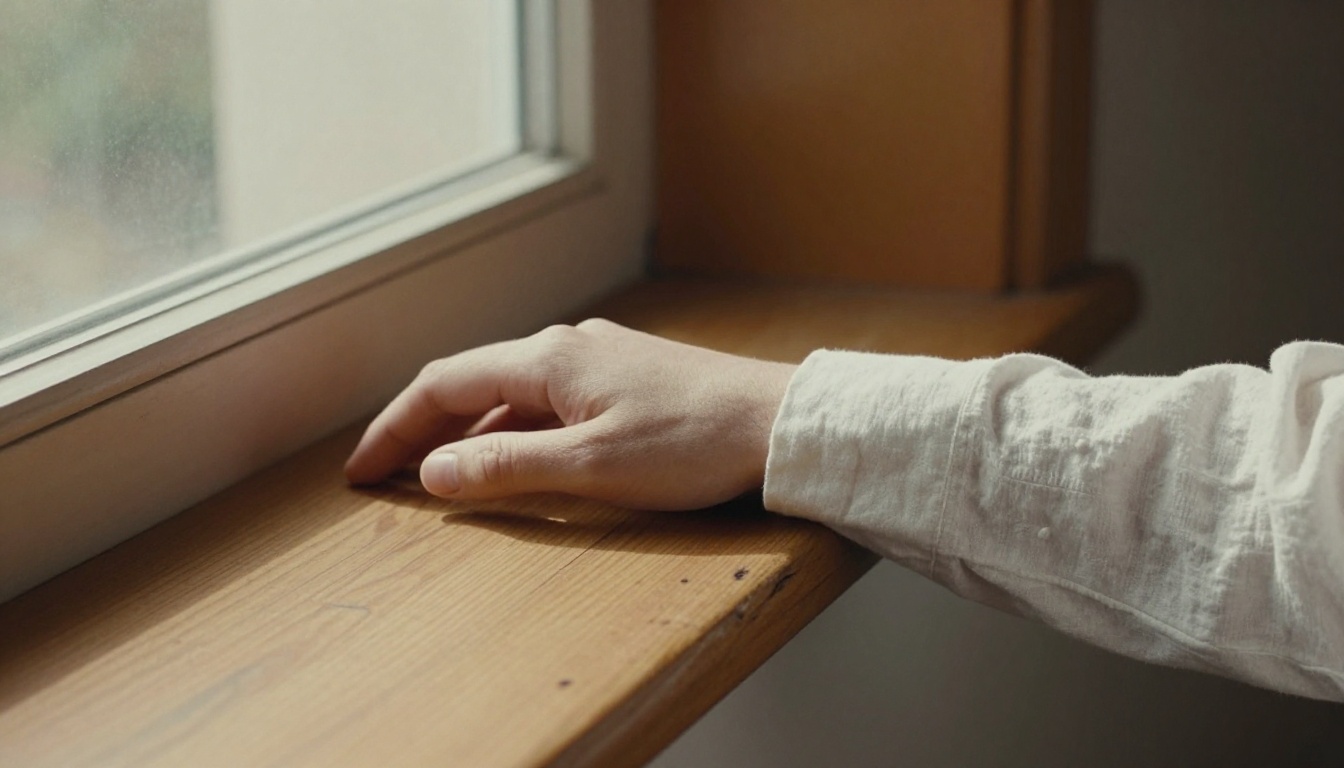
A Journal of Investigative Dermatology study found psychological stress delays inflammation resolution and prolongs sensory sensitisation in people recovering from atopic dermatitis.
Atopic dermatitis leaves a specific kind of mark — not just the lesions, but the itch that lingers long after the skin appears to have calmed.
A study published in the Journal of Investigative Dermatology examined what happens during recovery from atopic dermatitis, a chronic inflammatory condition characterised by persistent itch, eczematous lesions, and a compromised skin barrier. Researchers focused not on what triggers flares, but on what prevents the skin from fully resolving them.
The study found that psychological stress delays the resolution of inflammation and sustains sensory sensitisation — the state in which nerve endings remain heightened and reactive — even as active disease appears to subside. According to the researchers, this distinction matters: the skin may look quieter while still behaving as though under threat.
Atopic dermatitis affects quality of life in ways that extend beyond discomfort, the study noted. Its underlying biology involves barrier dysfunction, immune dysregulation, and environmental triggers working in combination, producing a condition that presents differently across individuals. Weidinger and Novak identified these patterns in a 2016 review; Kim and colleagues mapped the heterogeneous phenotypes in 2019. The new findings add a layer: psychological state is not a background variable but an active factor in how the disease moves — or fails to move — toward resolution.
Why this matters for people with albinism
People with albinism carry a structurally altered melanin pathway that affects not only pigmentation but epidermal integrity. Reduced melanin in the skin is associated with increased UV sensitivity and, in some individuals, a compromised barrier function that overlaps with conditions like atopic dermatitis. The two are not equivalent, but the mechanisms share terrain.
The study's finding — that stress actively prolongs inflammatory states in barrier-impaired skin — carries relevance for anyone managing a chronic skin condition where psychological load and physical symptoms compound each other. For people with albinism navigating sun damage, repeated dermatological monitoring, and the social pressures that accompany visible difference, stress is rarely an abstraction.
The researchers did not address albinism directly. But the Journal of Investigative Dermatology study points toward something the community already knows in practice: healing is not only biological. The conditions around a person shape what the skin does next.
Keywords
Core topics and entities mentioned in this summary.