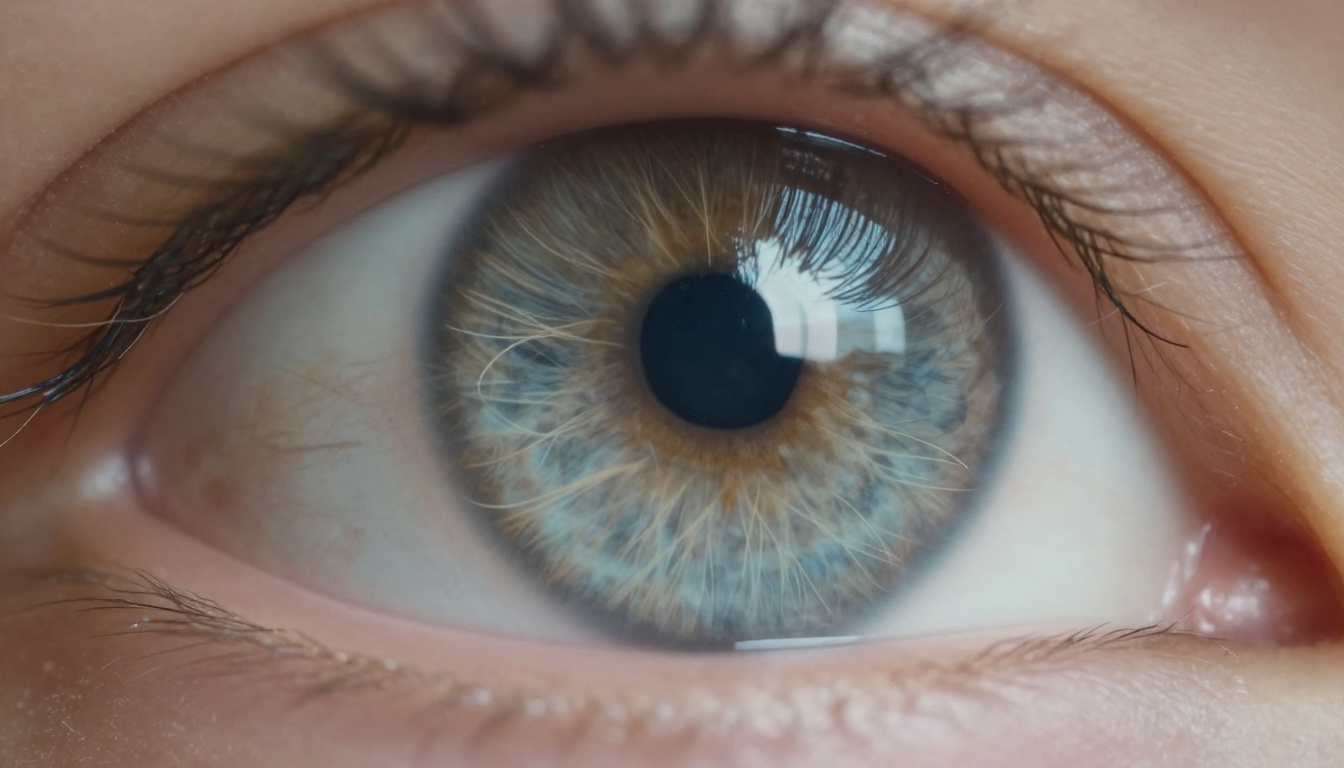
Recent research explores the connection between Birdshot chorioretinitis and pigmentation changes that mimic albinism symptoms in the eye.
A recent study published in Nature's Eye journal examines the intriguing relationship between Birdshot chorioretinitis and pigment loss that resembles albinism in affected individuals.
Birdshot chorioretinitis is a rare inflammatory eye condition that primarily affects the choroid and retina—vital layers of the eye responsible for vision and pigmentation. According to the research, this condition can lead to what researchers term "pseudo-albinism," where patches of the eye lose pigmentation in patterns similar to those seen in some forms of albinism.
The study highlights the distinctive pigment changes that occur in patients with this condition. Unlike true albinism, which is genetic and present from birth, these pigmentation changes develop as a result of the inflammatory process. This distinction is important for both diagnosis and treatment approaches.
Clinical Implications
For the albinism community, understanding conditions that mimic aspects of albinism can be valuable for differential diagnosis. Researchers note that distinguishing between true albinism and pseudo-albinism caused by inflammatory conditions like Birdshot chorioretinitis is crucial for proper treatment and management.
The pigment loss observed in Birdshot chorioretinitis affects vision differently than genetic forms of albinism. While both conditions can impact visual acuity, the progression, underlying causes, and treatment options differ significantly.
This research contributes to the broader medical understanding of pigmentation disorders and their various causes. For eye care specialists working with patients with albinism, awareness of conditions like Birdshot chorioretinitis may help in providing more accurate diagnoses when evaluating unusual presentations or changes in existing patients.
As our understanding of rare eye conditions continues to evolve, studies like this one offer valuable insights into the complex relationship between inflammation, pigmentation, and vision—potentially opening doors to better treatments for all conditions affecting eye pigmentation.
Keywords
Core topics and entities mentioned in this summary.