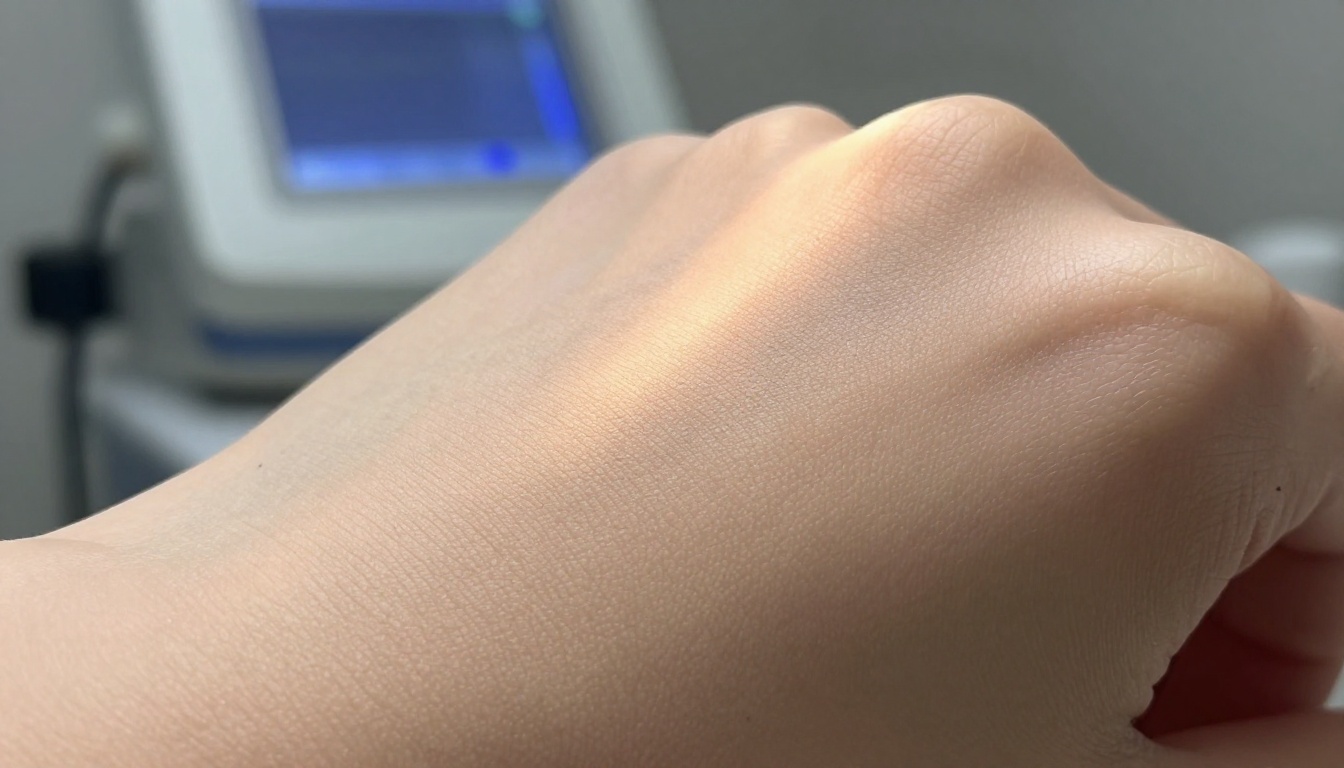
Researchers are exploring advanced imaging methods that could detect skin changes earlier, with potential benefits for people with albinism.
Early detection of skin conditions remains a critical health priority for people with albinism. A recent study published in the Journal of Investigative Dermatology introduces promising imaging techniques that could have broader applications for detecting skin changes before they become visible to the naked eye.
The research, focusing specifically on cutaneous neurofibromas (cNFs) in individuals with neurofibromatosis type I, demonstrates how combining spatial frequency domain imaging with high-frequency ultrasound creates more effective detection capabilities. While the study didn't specifically examine albinism-related skin conditions, the technology shows potential for broader dermatological applications.
Why This Matters for Albinism
People with albinism face heightened risks for various skin conditions due to reduced melanin protection. Early detection of suspicious skin changes remains a cornerstone of preventative health management in the albinism community.
According to the researchers, these advanced imaging methods could potentially identify "nascent" skin lesions—those not yet visible to the unaided eye but detectable through specialized technology. For people with albinism, who require vigilant skin monitoring, such technological advances could eventually provide additional screening options.
While this specific technology remains in research stages, it represents the ongoing advancements in non-invasive dermatological imaging that may eventually benefit various populations with specialized skin care needs, including the albinism community.
Keywords
Core topics and entities mentioned in this summary.