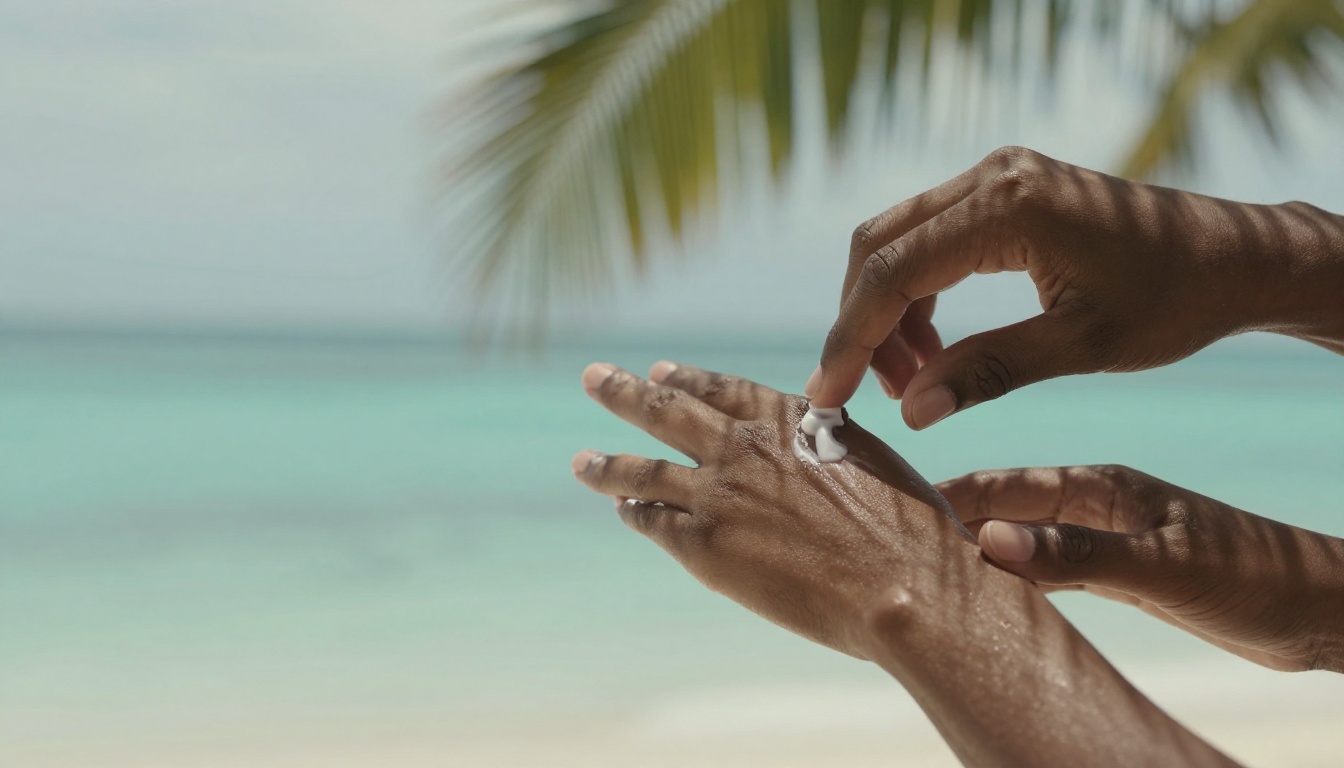
How indigenous people with albinism on Panama's San Blas islands navigate life under intense Caribbean sun, balancing traditional identity and health needs.
On Panama's picturesque San Blas islands, members of the indigenous Guna community with albinism face a particularly challenging environmental adversary—the intense Caribbean sunshine.
According to Reuters, the Guna people have one of the highest rates of albinism in the world, with the genetic condition affecting approximately one in 150 individuals in this indigenous community. This rate is significantly higher than the global average of about one in 20,000 people.
The islands' tropical location presents unique challenges for people with albinism, who lack melanin, the pigment that provides natural protection against the sun's ultraviolet rays. Without this protection, everyday activities under the bright Panama sky can lead to severe sunburn, accelerated skin aging, and an increased risk of skin cancer.
Traditional Identity Meets Health Needs
The Guna community has deep cultural traditions that intersect with how they understand albinism. Reuters reports that within Guna culture, people with albinism—known locally as "children of the moon"—have historically held special cultural significance.
However, the practical health challenges remain significant. Community members with albinism must take extensive precautions, including wearing protective clothing, applying high-SPF sunscreen, and limiting outdoor activities during peak sunshine hours.
Access to Resources
The remote island setting creates additional challenges in accessing specialized healthcare and protective resources. Sunscreen, protective clothing, and regular dermatological checkups—all essential for people with albinism—can be difficult to obtain in these isolated communities.
Public health initiatives are working to bridge this gap by providing education about sun protection alongside practical resources like sunscreen and protective gear, according to the report.
This situation highlights the intersection of indigenous identity, genetic conditions, and environmental factors. For the Guna people with albinism, navigating life means balancing traditional cultural identity with practical health needs in an environment where the sun shines with particular intensity.
The experience of the Guna community offers important insights for other indigenous communities worldwide where people with albinism face similar environmental challenges while maintaining their cultural heritage.
Keywords
Core topics and entities mentioned in this summary.