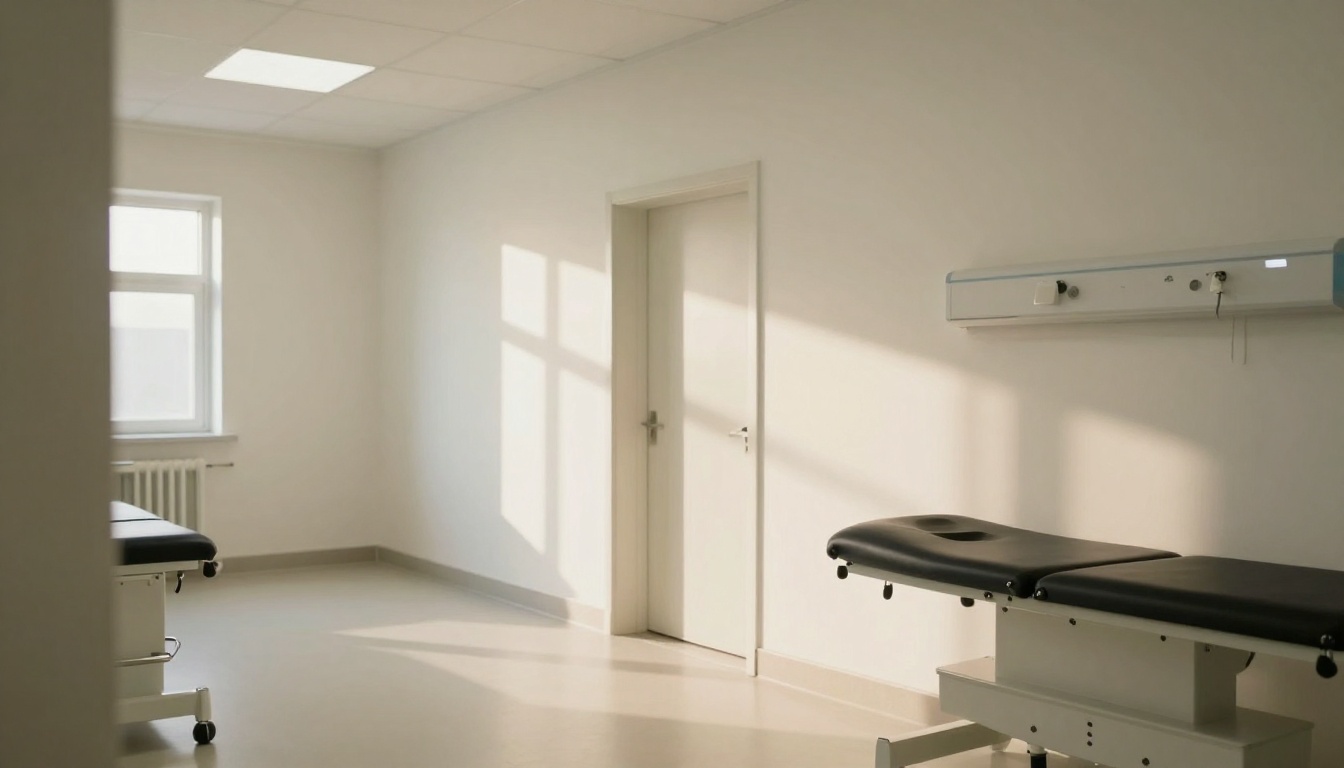
A renovated health facility in Niger State stands beautifully updated on the outside, but lacks the equipment and staff needed to serve patients with albinism and other community members.
In rural Niger State, the newly renovated Jikuci Primary Health Care (PHC) Centre presents a misleading facade. While its freshly painted walls and repaired structure suggest a functioning medical facility, the reality inside tells a different story.
According to Nigeria Health Watch, the health center appears as "a promise fulfilled" from the outside. However, despite its modern exterior, the facility remains essentially empty within — lacking the essential equipment and staffing necessary to serve patients.
This situation is particularly concerning for people with albinism in the area, who often require regular health monitoring for vision and skin care. Primary health centers represent the first point of medical contact for many rural Nigerians, including those with albinism who need consistent access to dermatological services and vision support.
Healthcare Access Challenges
The contrast between appearance and functionality at Jikuci PHC highlights a broader challenge in Nigeria's healthcare system. Resources directed toward renovation may not always extend to equipping facilities with necessary medical supplies or ensuring adequate staffing.
For communities with members who have albinism, functioning local healthcare facilities are essential. Regular skin checks for early detection of sun damage and basic vision services can significantly improve quality of life and prevent serious health complications.
The situation at Jikuci PHC represents a missed opportunity to provide crucial services to vulnerable populations. As advocacy organizations continue to push for improved healthcare access, stories like this underscore the importance of comprehensive healthcare planning that goes beyond physical infrastructure to ensure actual service delivery.
Keywords
Core topics and entities mentioned in this summary.