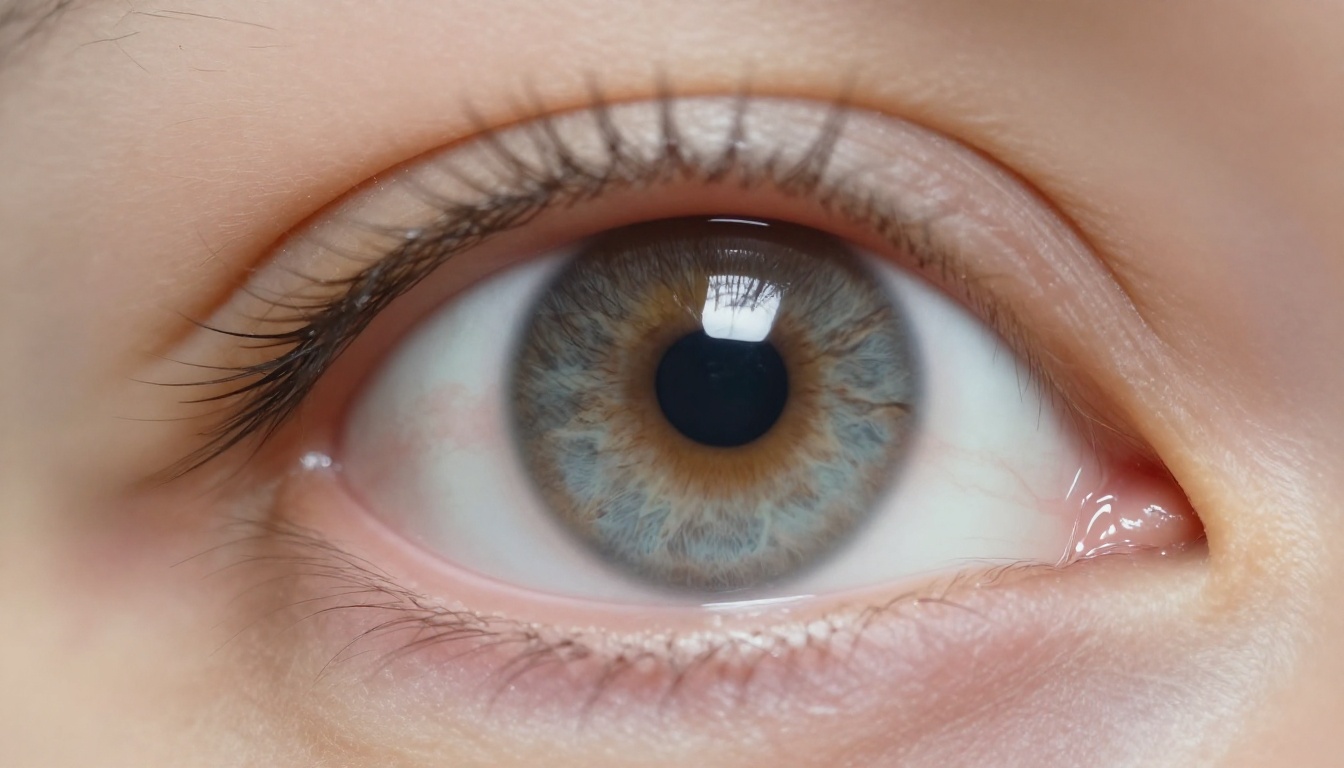
Researchers have used adaptive optics to better understand foveal hypoplasia—a key vision feature in albinism—potentially opening doors to improved treatments.
A groundbreaking study published in Nature has offered new insights into the eye development of children with albinism, potentially paving the way for improved vision care and treatments.
The research focused on foveal hypoplasia—the underdevelopment of the fovea, a tiny pit in the retina responsible for sharp, detailed central vision. This condition is a hallmark feature in people with albinism and contributes significantly to vision challenges they experience.
According to the researchers, this pediatric case series utilized advanced imaging technology called adaptive optics to examine the retinal structures of children with albinism and similar conditions at a microscopic level. This technology allows for unprecedented detail in visualizing cellular structures in living human eyes.
"Multimodal phenotyping" refers to the researchers' approach of examining multiple characteristics and measurements of the eye simultaneously, creating a more complete picture of how foveal development differs in children with albinism compared to typical eye development.
Significance for Vision Care
This research matters deeply for the albinism community because understanding the precise structural differences in the developing eye could lead to more targeted interventions and treatments.
Foveal hypoplasia is one of the primary reasons people with albinism experience reduced visual acuity that cannot be fully corrected with glasses or contact lenses. By better understanding its development and structure, medical professionals may eventually develop new approaches to support vision in children with albinism.
Looking Forward
While this study doesn't announce an immediate treatment breakthrough, it represents an important step in the scientific understanding of vision in albinism. The use of adaptive optics technology to study pediatric cases is particularly valuable, as early development insights could inform future early intervention approaches.
For families affected by albinism, this research highlights the continuing advances in understanding the condition's impact on vision and offers hope that increasingly sophisticated technologies will continue to improve both diagnosis and potential treatments for vision challenges associated with albinism.
Keywords
Core topics and entities mentioned in this summary.