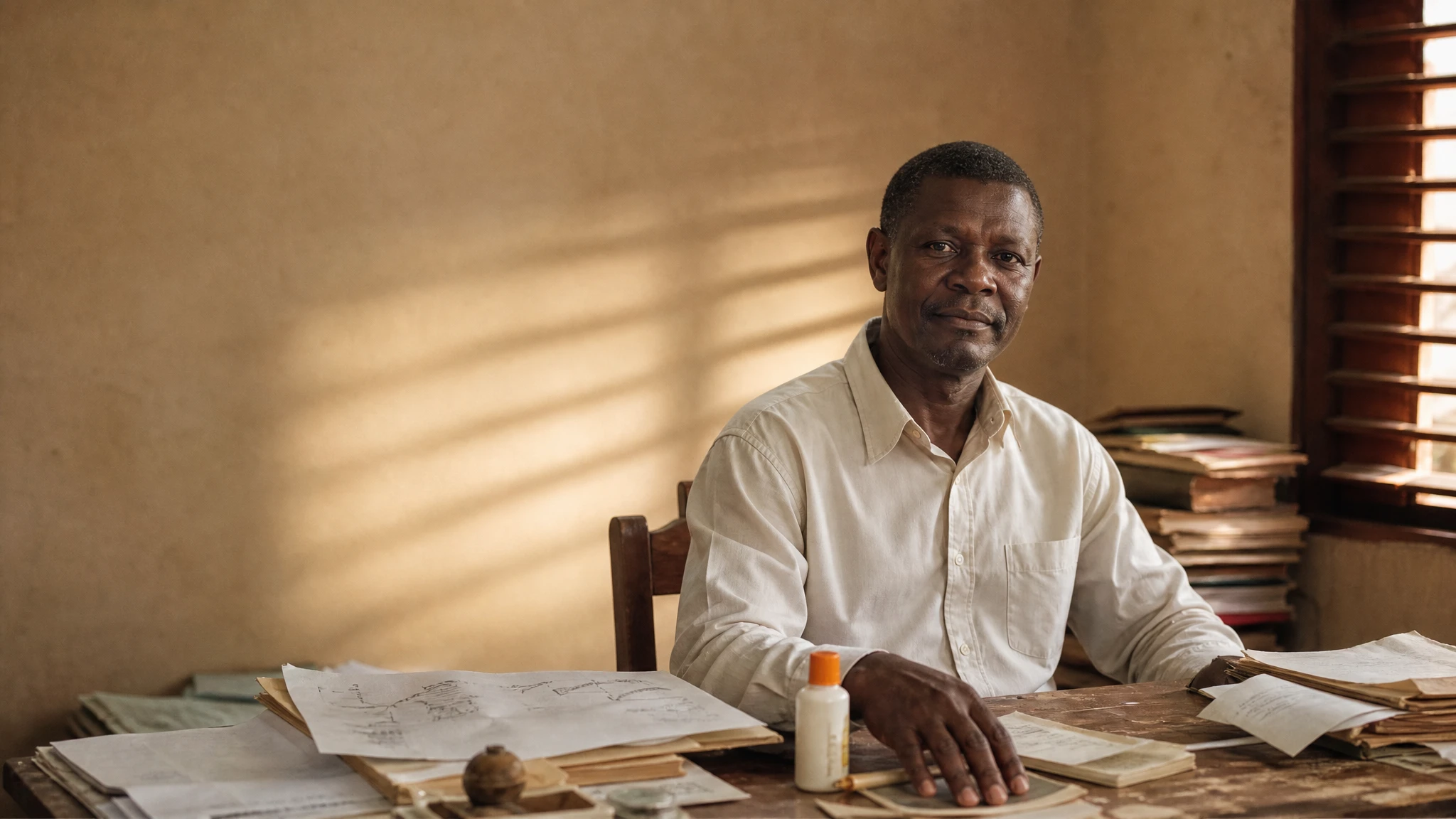
Eduardo Samo Gudo, head of Mozambique's National Institute of Health, called on African nations to stop depending on wealthier countries for medicines and diagnostics.
A single line from a podium in Maputo carries the weight of decades of dependency. Eduardo Samo Gudo, Director-General of Mozambique's National Institute of Health, told fellow African nations that "the continent cannot keep waiting for the global north, Western countries and other rich countries, to develop the tests and medicines," according to AIM.
Samo Gudo's call was direct: African countries must increase investment in health sciences and health technologies. The statement, reported by AIM, was delivered without diplomatic softening.
The argument behind it is familiar to anyone working in health equity on the continent. Research priorities, funding flows, and drug development pipelines have long been shaped by markets in wealthier nations — leaving diseases and conditions more prevalent in Africa chronically under-resourced.
For communities with albinism across Sub-Saharan Africa, that gap is not abstract. Affordable, high-SPF sunscreen formulated for high UV environments remains difficult to access in many countries. Specialist dermatology and ophthalmology services — the two clinical areas most relevant to people with albinism — are stretched thin or absent in rural areas. When the medicines and diagnostics do not exist, or exist only at import prices, the gap falls hardest on those already navigating limited healthcare infrastructure.
Samo Gudo's remarks were made in the context of broader health system strengthening, according to AIM, not albinism specifically. But the principle he named applies directly.
Keywords
Core topics and entities mentioned in this summary.