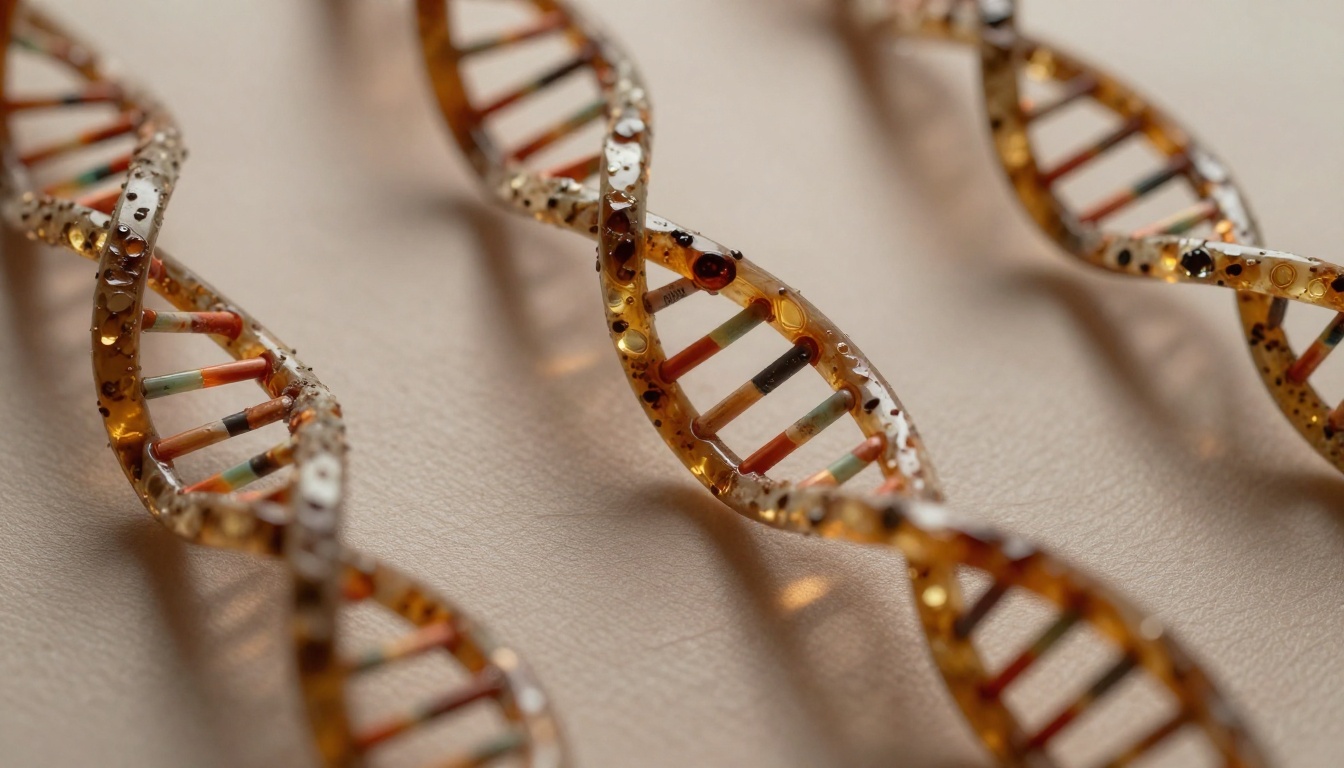
Research reveals how MITF E318K and MC1R variants influence naevus patterns and melanoma risk factors, with important implications for skin care in albinism.
Understanding genetic risk factors for melanoma is particularly relevant for people with albinism, who require vigilant skin protection. Recent findings from the Journal of Investigative Dermatology shed light on how specific gene variants influence melanoma risk through their effects on naevus patterns and red hair color.
According to the study, two well-characterized phenotypic risk factors for melanoma are high naevus counts (moles) and red hair color. The research identifies two key genetic variants associated with these traits: MITF (E318K) and MC1R red hair color variants.
The findings reveal that the E318K variant, found in only 0.02% of the general population but in 2-3% of high-risk melanoma groups, significantly increases melanoma risk by approximately 2.5-fold. This information comes from multiple studies cited in the journal.
Meanwhile, MC1R red hair variants are much more common, present in 76% of Western European populations. The research indicates these variants confer either a 1.3-fold increase in melanoma risk for 'r' variants or a 2-fold increase for 'R' variants.
What This Means for People with Albinism
For the albinism community, these findings emphasize the importance of understanding personal genetic risk factors that may compound already heightened skin cancer risks. People with albinism already have reduced melanin protection, making regular skin checks and sun protection crucial.
Knowledge about specific genetic variants could potentially help dermatologists provide more personalized skin monitoring plans for individuals with albinism who may also carry these risk-enhancing variants.
As research continues to advance in this area, the albinism community stands to benefit from more tailored medical guidance regarding skin cancer prevention and early detection strategies.
Keywords
Core topics and entities mentioned in this summary.