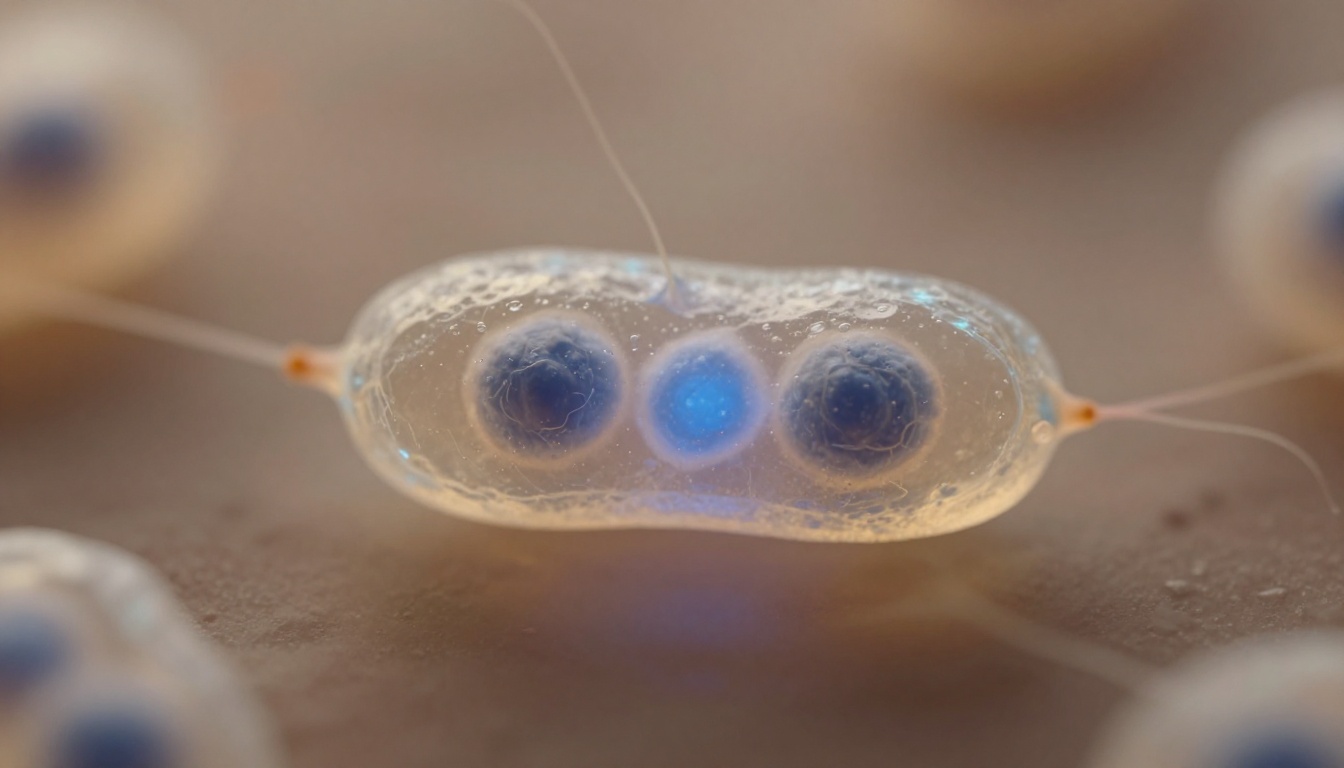
New research explores cellular differences that could explain why wounds heal differently in people with diabetes compared to those without.
Groundbreaking research published in the Journal of Investigative Dermatology may offer new insights into why wounds heal differently in individuals with diabetes compared to those without the condition.
The study focused on fibroblasts – cells crucial to wound healing – and their behavior in various mouse models representing different types of diabetes. According to the researchers, these cells respond significantly to mechanical forces during the healing process, a phenomenon called mechanotransduction.
"Fibroblasts are key players in all phases of wound healing," the study notes, highlighting their importance in understanding the cellular mechanisms behind impaired healing in diabetic conditions.
The research team examined fibroblast heterogeneity (diversity in cell types) across all phases of wound healing in three different mouse groups: non-diabetic mice, mice with diet-induced diabetes (representing pathophysiologic diabetes), and genetically-induced diabetic mice.
Understanding Cellular Differences
By creating full-thickness wounds on the mice and analyzing the healing process, researchers sought to identify specific cellular populations that might be altered in diabetic conditions. This approach could potentially reveal new therapeutic targets for treating chronic wounds, a common and serious complication for people with diabetes.
For people with albinism who also have diabetes, this research holds particular significance. The albinism community already navigates unique skin health considerations, and those who also have diabetes face compounded challenges in wound healing and skin health management.
While this research is still at the experimental stage with mouse models, it represents an important step toward better understanding the cellular mechanisms that might someday lead to improved wound healing treatments for all people with diabetes, including those with albinism.
Advances in wound healing research could ultimately lead to better clinical outcomes and quality of life for individuals managing multiple health conditions alongside albinism.
Keywords
Core topics and entities mentioned in this summary.