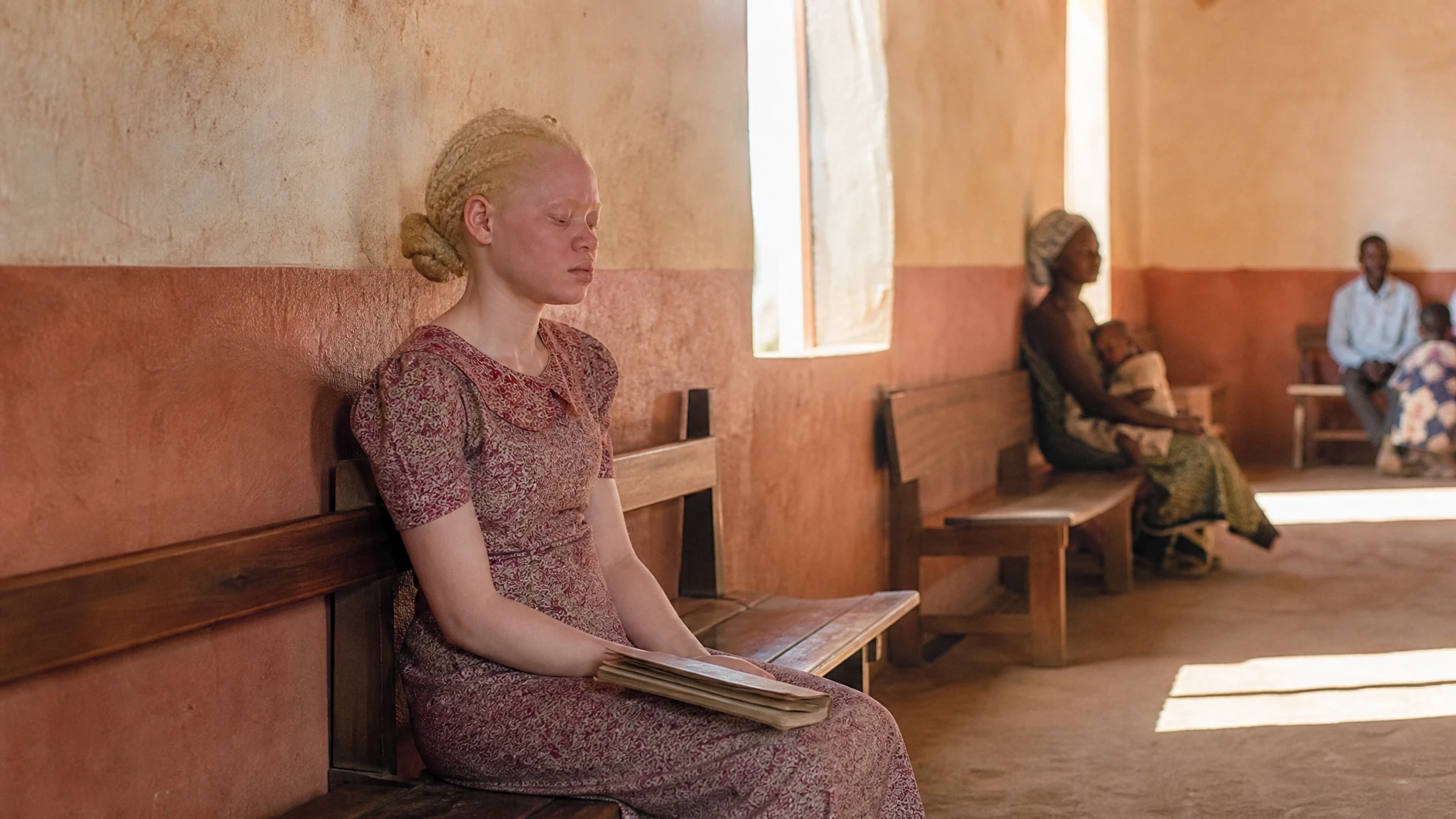
Malawi has roughly 600 doctors for a population of 20 million. The crisis has direct consequences for people with albinism who depend on specialist care.
A single statistic tells most of the story. Malawi has approximately 600 doctors serving a national population of around 20 million people, according to the Nyasa Times — a ratio of one doctor for every 33,000 patients.
Health minister Khumbize Kandodo Chiponda and legislator Chithyola Banda have both raised alarms about conditions driving trained medics out of the profession or out of the country. Banda described doctors as 'an endangered species' in comments reported by the Nyasa Times, calling for tighter security guarantees and better working conditions to stop the exodus.
What this means for people with albinism
For the general population, a ratio of 1:33,000 means long waits, under-resourced facilities, and care that is hard to reach. For people with albinism, the gap is sharper. Dermatological screening, ophthalmological support, and early skin cancer detection all require specialist access that is difficult to find even in urban centres. In rural areas, that access is close to nonexistent.
The Under The Same Sun organisation has previously documented how people with albinism in sub-Saharan Africa face elevated rates of skin cancer from sun exposure, and that timely diagnosis is rare where medical infrastructure is thin. Malawi's doctor-to-patient ratio places it among the most under-resourced health systems on the continent, according to World Health Organization benchmarks, which recommend a minimum of 1 doctor per 1,000 people.
Chithyola Banda's call for security measures reflects a separate but connected pressure: violence and threats against medical workers have contributed to professionals leaving the public health system, the Nyasa Times reported. Fewer doctors in the system means longer gaps between the people who need care and the people trained to give it.
The shortage is not new. Malawi has struggled with medical brain drain for decades, as trained doctors move to better-resourced health systems in southern Africa, the United Kingdom, and elsewhere. What has shifted, Banda suggested, is the pace — and the growing sense among those who remain that the conditions are untenable.
For communities with specific, chronic health needs — people with albinism among them — an already fragile system stretched further is not an abstract policy problem. It is a question of whether a skin lesion gets seen before it becomes something harder to treat.
Keywords
Core topics and entities mentioned in this summary.