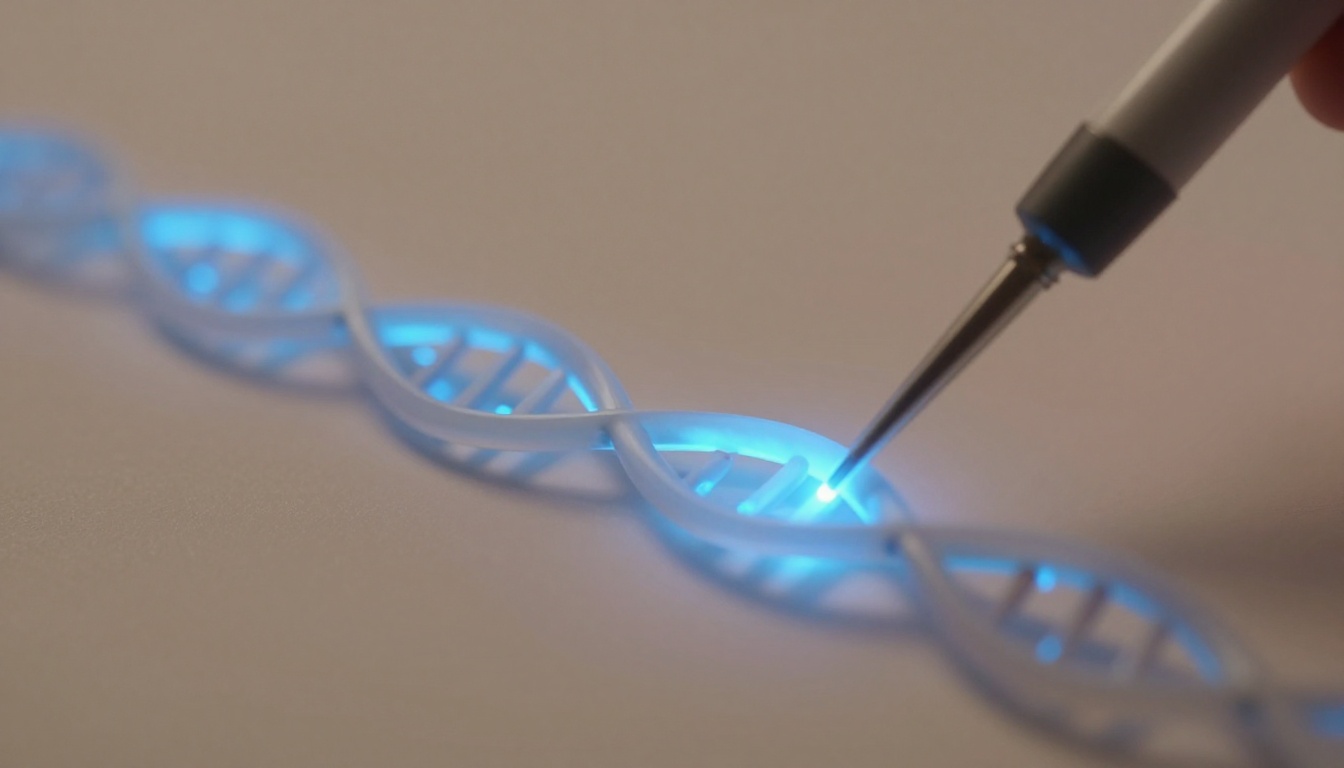
Advanced DNA-editing technologies are creating pathways to potential treatments for inherited skin conditions that have long lacked therapeutic options.
While common skin conditions like psoriasis have seen revolutionary treatment advances in recent years, people with rare inherited skin disorders—including certain types of albinism—have been left behind in the therapeutic revolution. According to new research published in the Journal of Investigative Dermatology, this gap may finally be narrowing.
The research highlights how cutting-edge DNA-editing technologies such as CRISPR/Cas9 and Prime editors are creating valuable new pathways for understanding and potentially treating rare skin conditions. These advanced tools allow scientists to build sophisticated laboratory models that accurately reflect genetic skin diseases.
Building Better Disease Models
Researchers note that these gene-edited cell models serve three critical functions: they help scientists understand the underlying mechanisms of rare skin disorders, identify potential drug targets, and provide platforms for testing new therapeutic approaches.
For the albinism community, this development represents particularly meaningful progress. Several types of oculocutaneous albinism (OCA) directly affect skin and hair pigmentation through genetic mutations. These new modeling techniques could accelerate understanding of precisely how these mutations disrupt normal pigment production.
From Lab to Treatment
While the research doesn't promise immediate treatments, it establishes a methodical pathway toward developing therapies for conditions that have historically received minimal pharmaceutical research attention.
"Most inherited skin diseases still lack even a single treatment supported by clinical trials," the journal article states, highlighting why these technological advances represent such a significant shift in research possibilities.
For people living with rare genetic skin conditions, including forms of albinism affecting the skin, this research signals that the scientific community is developing the tools needed to address long-neglected conditions with the same rigor applied to more common skin disorders.
Keywords
Core topics and entities mentioned in this summary.