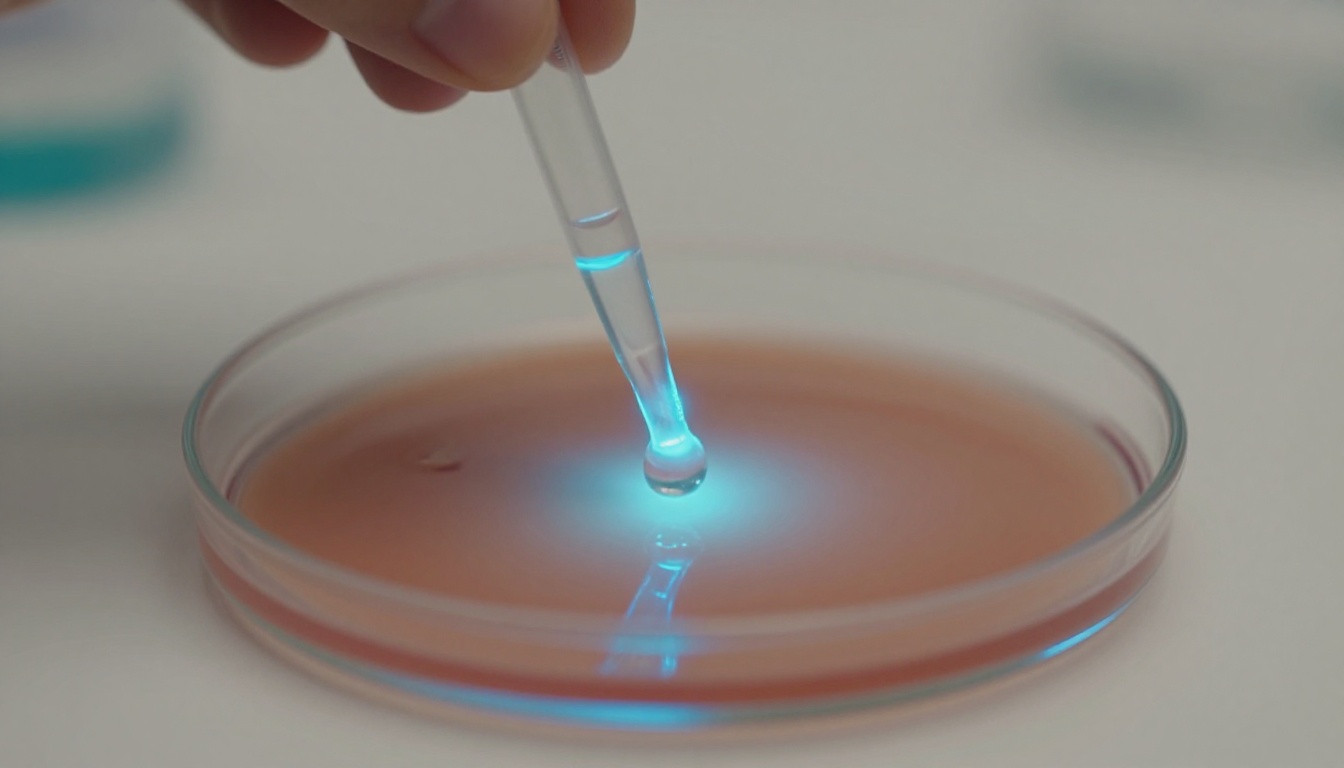
New research shows promising targeted delivery of mRNA to specific skin cells, potentially advancing treatments relevant to skin health conditions.
A promising new approach to mRNA delivery could have significant implications for future skin health treatments, including those relevant to people with albinism who require specialized skin care.
According to research published in the Journal of Investigative Dermatology, scientists have developed a targeted delivery system that can transport mRNA to specific cells in the skin called Langerhans cells. These cells play an important role in the skin's immune system.
The researchers report that by modifying lipid nanoparticles with a special compound that binds specifically to Langerhans cells, they achieved selective delivery of mRNA to both mouse and human skin cells with minimal off-target effects.
The targeted approach resulted in significantly increased mRNA translation - the process where genetic instructions are converted into functional proteins - according to the study findings.
This advancement matters because more precise delivery could potentially mean lower doses of medications would be needed to achieve therapeutic effects, potentially reducing side effects of treatments.
While not specifically focused on albinism, this research represents an important step forward in the broader field of skin-targeted therapies. For people with albinism who often need meticulous skin protection and may benefit from advanced skin treatments, innovations in dermatological delivery systems could eventually translate to more effective, personalized care options.
As mRNA technology continues to evolve beyond its well-known applications in vaccines, these types of targeted delivery systems may open new possibilities for addressing various skin conditions with greater precision.
Keywords
Core topics and entities mentioned in this summary.