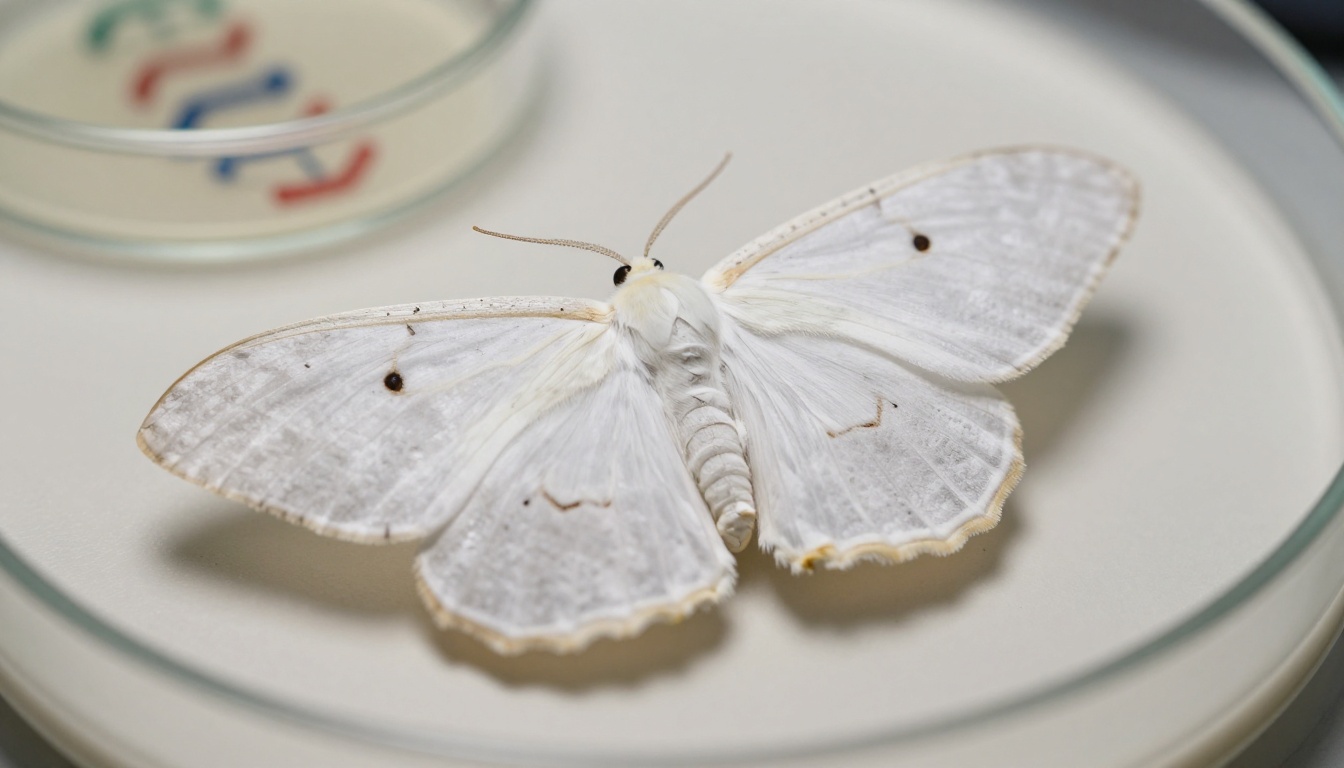
Researchers discover that disrupting the DOPA decarboxylase gene creates complete albinism in fall armyworms, offering insights into pigmentation processes.
A fascinating new research study has revealed how genetic modifications can induce complete albinism in insects, potentially offering broader insights into pigmentation processes across species.
According to a study published in Insect Science, researchers successfully created complete albinism in the fall armyworm (Spodoptera frugiperda) by knocking out the DOPA decarboxylase gene. This breakthrough helps scientists better understand the genetic pathways responsible for pigmentation in insects.
The fall armyworm is normally a brownish or grayish moth with distinctive markings, but the genetically modified specimens completely lacked pigmentation. This dramatic change demonstrates the critical role of the DOPA decarboxylase enzyme in the insect's melanin production pathway.
Understanding Pigmentation Pathways
While albinism manifests differently across species, this research highlights how similar genetic mechanisms can control pigmentation across the animal kingdom. In humans, albinism typically results from mutations affecting melanin production, though through different genetic pathways than those in insects.
The study's findings may eventually contribute to our broader understanding of pigmentation disorders, including those affecting people with albinism. Though the research focuses on insects, it adds to the growing body of knowledge about how genes control coloration in living organisms.
Scientific Implications
This genetic research demonstrates how precise modern gene-editing techniques can create specific traits for scientific study. The researchers were able to completely eliminate pigmentation through targeted genetic modification, creating a valuable model for studying melanin production.
While primarily of interest to the scientific community, this research represents another step forward in understanding the complex genetic foundations of pigmentation across different species. For the broader albinism community, such comparative studies may eventually contribute to the knowledge base that supports medical research.
Keywords
Core topics and entities mentioned in this summary.