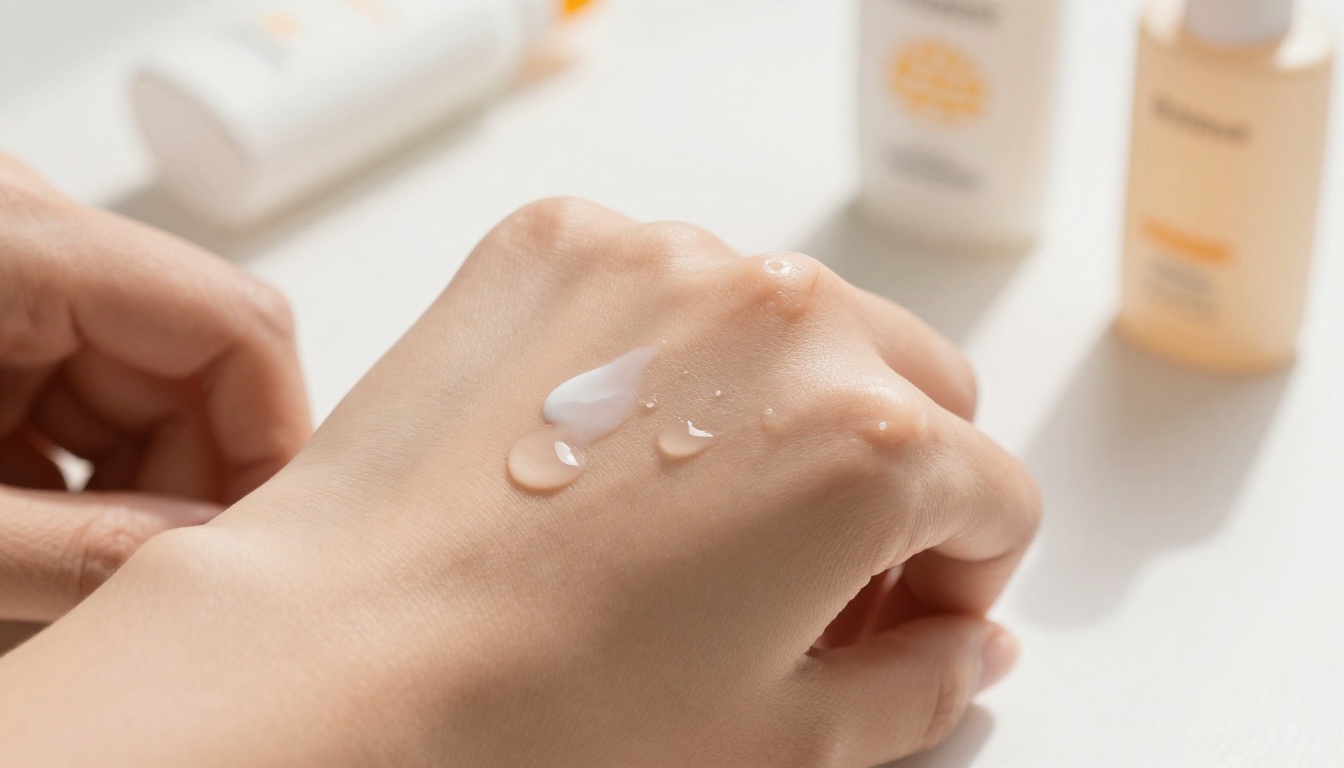
People with albinism in East Africa celebrate WHO's landmark decision to include sunscreen as an essential medicine, improving access to vital skin protection.
The World Health Organization's recent decision to add sunscreen to its Essential Medicines List marks a significant victory for people with albinism across Africa, particularly in Kenya and Tanzania.
According to Down To Earth magazine, the albinism community in these East African nations has welcomed this landmark addition, which recognizes sunscreen not as a cosmetic product but as a crucial medicine for people with albinism.
For people with albinism, who lack melanin that naturally protects skin from harmful ultraviolet rays, sunscreen is not a luxury but a medical necessity. Without proper sun protection, individuals with albinism face significantly higher risks of developing skin cancer and other serious sun-related conditions.
A Public Health Recognition
The WHO's decision elevates sunscreen to the status of an essential medicine, potentially improving access and affordability in regions where people with albinism have historically struggled to obtain this vital protection.
This policy change is particularly meaningful in countries like Tanzania and Kenya, where the combination of intense equatorial sun exposure and limited access to affordable sun protection has created serious health challenges for the albinism community.
Impact on Accessibility
The inclusion on the Essential Medicines List could prompt national health systems to prioritize sunscreen in their health budgets and procurement plans. For many people with albinism living in rural or underserved areas, this could translate to consistent, affordable access to sunscreen for the first time.
Health advocates hope this recognition will also encourage more countries to eliminate import duties and taxes on sunscreen products intended for medical use, further reducing barriers to access.
This development comes after years of advocacy from albinism organizations who have long emphasized that skin protection is not a cosmetic concern but a fundamental health right for people with the condition.
Keywords
Core topics and entities mentioned in this summary.