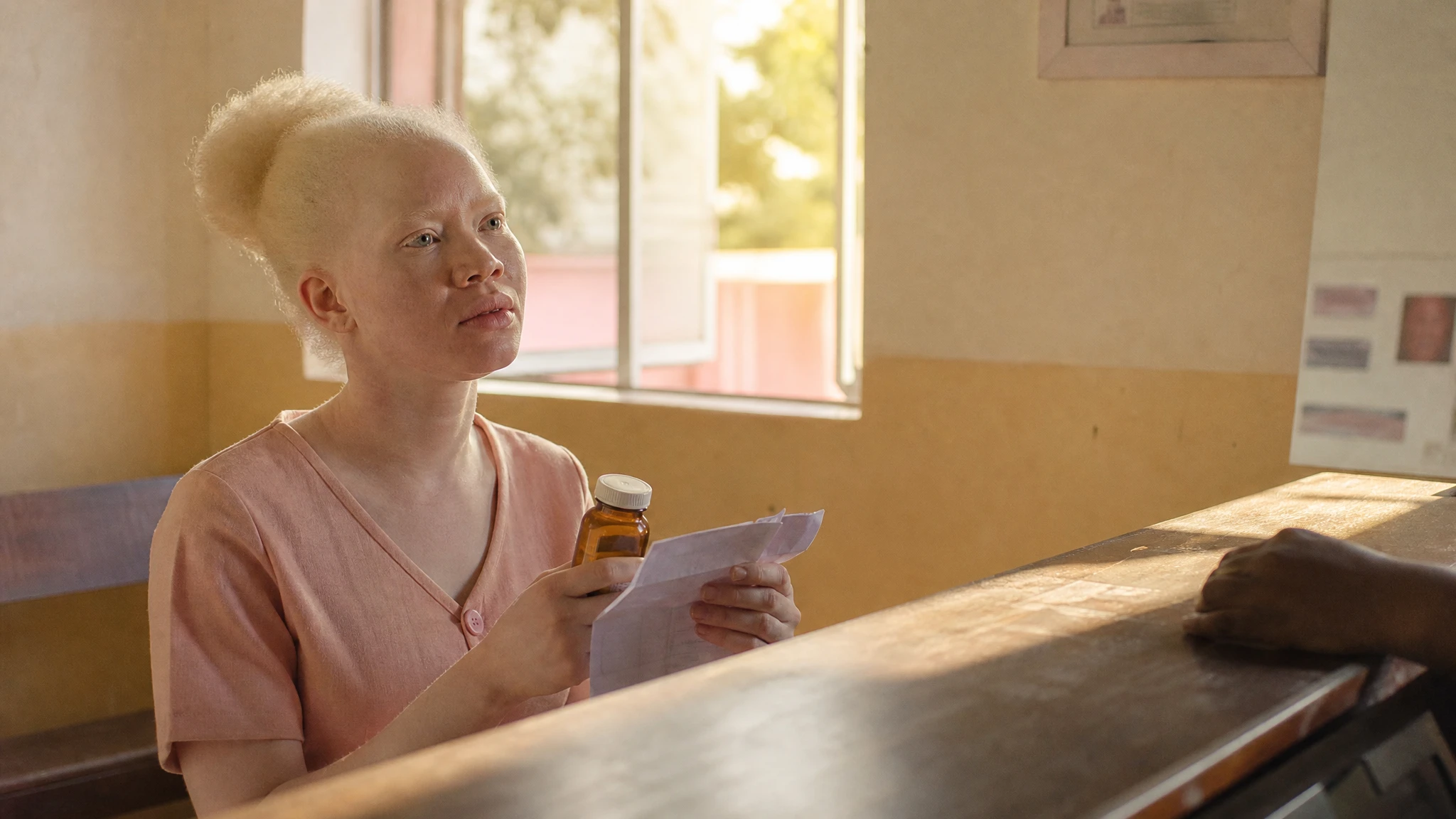
Kenya's Social Health Authority will reduce reimbursements to clinics that fail to dispense prescribed medicines, aiming to close gaps in primary care access.
A single unfilled prescription can mean a day's travel for a patient who cannot afford to return. In Kenya, that gap is now a financial liability for the clinic responsible.
The Social Health Authority (SHA) has announced a reimbursement model that will reduce payments to contracted primary healthcare facilities that fail to dispense medicines prescribed under the Primary Healthcare Fund, according to Capital FM. The policy targets a specific failure point: patients leaving consultations without the medicines they were supposed to receive.
The SHA did not publish penalty thresholds or a timeline for implementation in the initial announcement. What the authority made clear, Capital FM reported, is that reimbursement rates will be tied directly to whether facilities deliver the full range of services covered under the fund — dispensing included.
For people with albinism in Kenya, access to prescribed medicines and dermatological supplies sits inside exactly this kind of primary care gap. Sunscreen — when prescribed — falls within the category of medicines that facilities are expected to dispense. Whether the new model will be enforced consistently, and whether it will reach facilities in rural areas where many people with albinism live, remains to be seen.
The SHA's move reflects a broader pressure on Kenya's public health system to ensure that funding reaches patients rather than stopping at the facility level. Capital FM reported no response from healthcare facilities or patient groups at the time of publication.
Keywords
Core topics and entities mentioned in this summary.