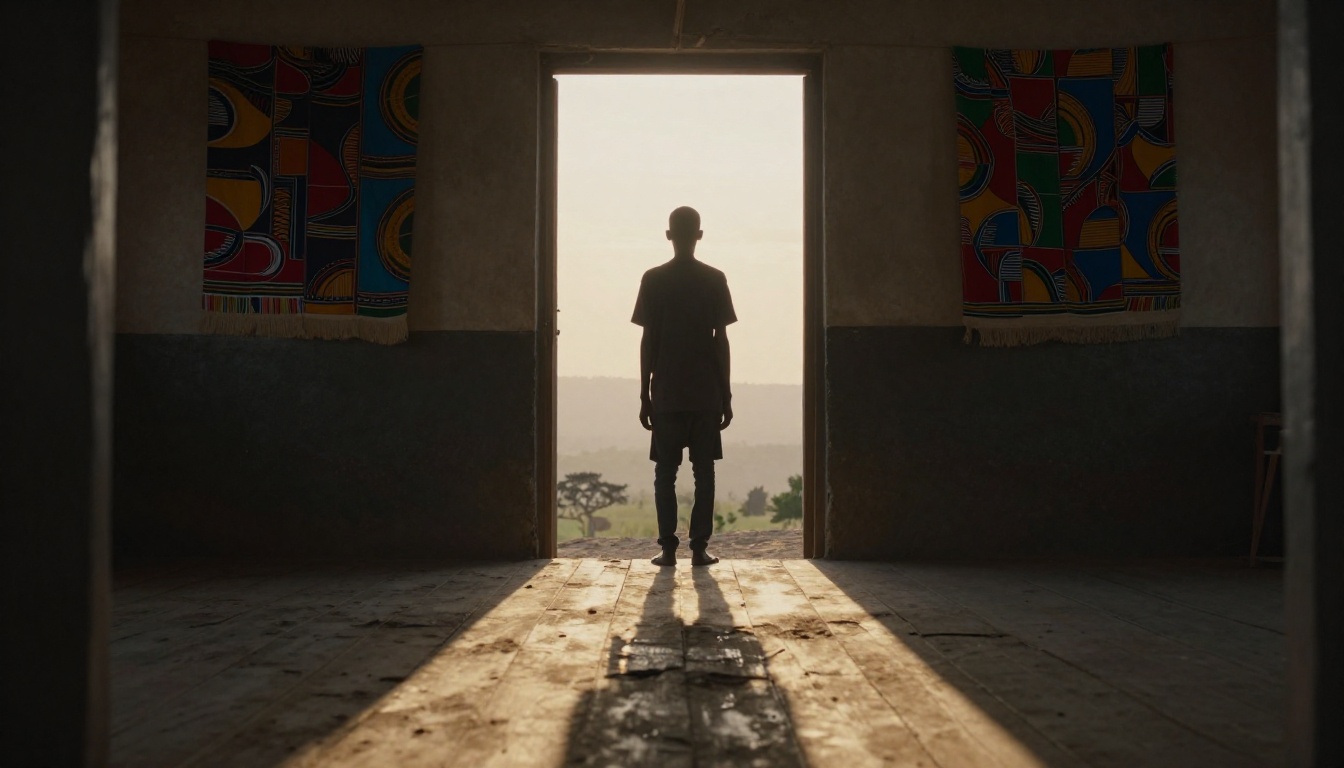
A deeply personal account of growing up with albinism in Tanzania reveals ongoing challenges despite progress in human rights protections.
The journey of living with albinism in Tanzania continues to be fraught with unique challenges, according to a powerful personal account published by Human Rights Watch. The narrative provides a rare glimpse into the daily realities faced by individuals with albinism in a country where myths and misconceptions have historically led to severe human rights abuses.
The testimony, titled "It Felt Like A Punishment," reveals the psychological and social impact of growing up with albinism in communities where the genetic condition is still misunderstood. According to the source, many Tanzanians with albinism continue to experience discrimination in education, employment, and social settings despite increased advocacy efforts.
Progress Amid Persistent Challenges
Tanzania has made significant strides in protecting people with albinism over the past decade. After a surge in ritual attacks between 2007 and 2015, the government implemented stronger legal protections and awareness campaigns. However, Human Rights Watch indicates that stigma and social exclusion remain deeply embedded in many communities.
The personal testimony highlights how seemingly ordinary aspects of daily life—from sun protection to classroom experiences—become complicated hurdles for people with albinism. The visual impairment commonly associated with the condition creates additional barriers to education and economic opportunities.
Building on Community Resilience
The account also spotlights the resilience of Tanzania's albinism community and the growing network of advocacy organizations working to transform public perceptions. These grassroots efforts, combined with international pressure, have helped reduce violent attacks and improved access to essential services like specialized healthcare and adaptive educational materials.
The story serves as a powerful reminder that behind statistics and policy discussions are real human experiences. As Tanzania continues to work toward full inclusion, personal narratives like this one provide crucial insight into what meaningful progress looks like for those most affected.
Moving forward, Human Rights Watch suggests that combining legal protections with deeper cultural change and education remains essential for ensuring that Tanzanians with albinism can fully participate in society without fear or limitation.
Keywords
Core topics and entities mentioned in this summary.