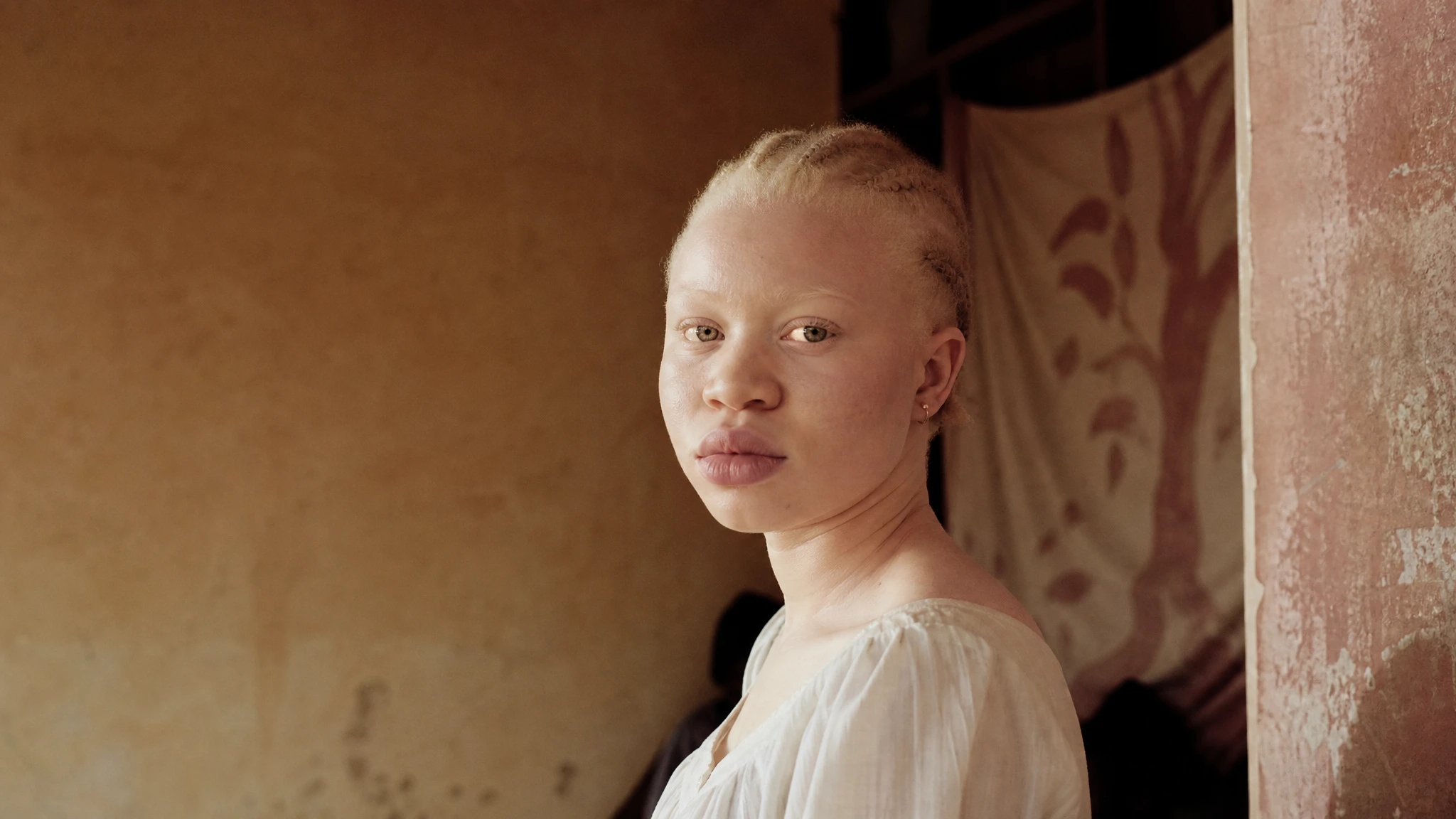
Each June 13, International Albinism Awareness Day asks the world to see people with albinism as people first — not patients, not symbols.
Every June 13, the calendar marks International Albinism Awareness Day. The date was designated by the United Nations in 2015, and it returns each year as a prompt — not a celebration of difference, but a pause to ask what the world still gets wrong.
The Deccan Chronicle used this year's occasion to look at what that framing costs when it narrows too quickly to the clinical. People with albinism, the piece noted, are routinely reduced to their pigmentation: a condition to be managed, a body to be examined. The day exists, in part, to resist that reduction.
Albinism is a genetic condition affecting melanin production, present across every country and every ethnicity. The UN estimates it occurs in approximately 1 in 17,000 to 1 in 20,000 people globally, though prevalence varies significantly by region. In parts of sub-Saharan Africa, rates as high as 1 in 1,000 have been recorded, according to the UN Human Rights Office.
The medical considerations are real. Reduced or absent melanin affects both skin and vision: people with albinism carry a significantly elevated risk of skin cancer from UV exposure and commonly live with visual impairments including nystagmus and photophobia. These are not minor facts. Sunscreen, eye care, and regular dermatological monitoring matter enormously.
But the Deccan Chronicle piece argued that the medical lens, when it becomes the only lens, does its own damage. It positions people with albinism as defined by what their bodies lack rather than by what they do, make, think, or choose. It quietly rehearses the idea that the condition is the person.
What the day is actually for
The UN's designation of June 13 was itself a response to a specific crisis: the killings and dismemberments of people with albinism in parts of Africa, driven by the belief that their body parts carry magical properties. The UN Independent Expert on albinism, Muluka-Anne Miti-Drummond, has documented these attacks across more than fifteen countries and has repeatedly called for legal protections, community education, and cross-border accountability.
But the day was also meant to do something quieter — to shift the default image of a person with albinism away from vulnerability and toward ordinary, specific humanity. A student. A farmer. A photographer. A mother. Someone with a name.
The Deccan Chronicle piece landed on a point the community has made for years: awareness, to be useful, has to move past the fact of albinism and into the texture of the lives it touches. That means listening to people with albinism rather than describing them. It means covering their work, not just their condition.
June 13 comes and goes. What remains is the slower work of accurate representation — and who gets to lead it.
Keywords
Core topics and entities mentioned in this summary.