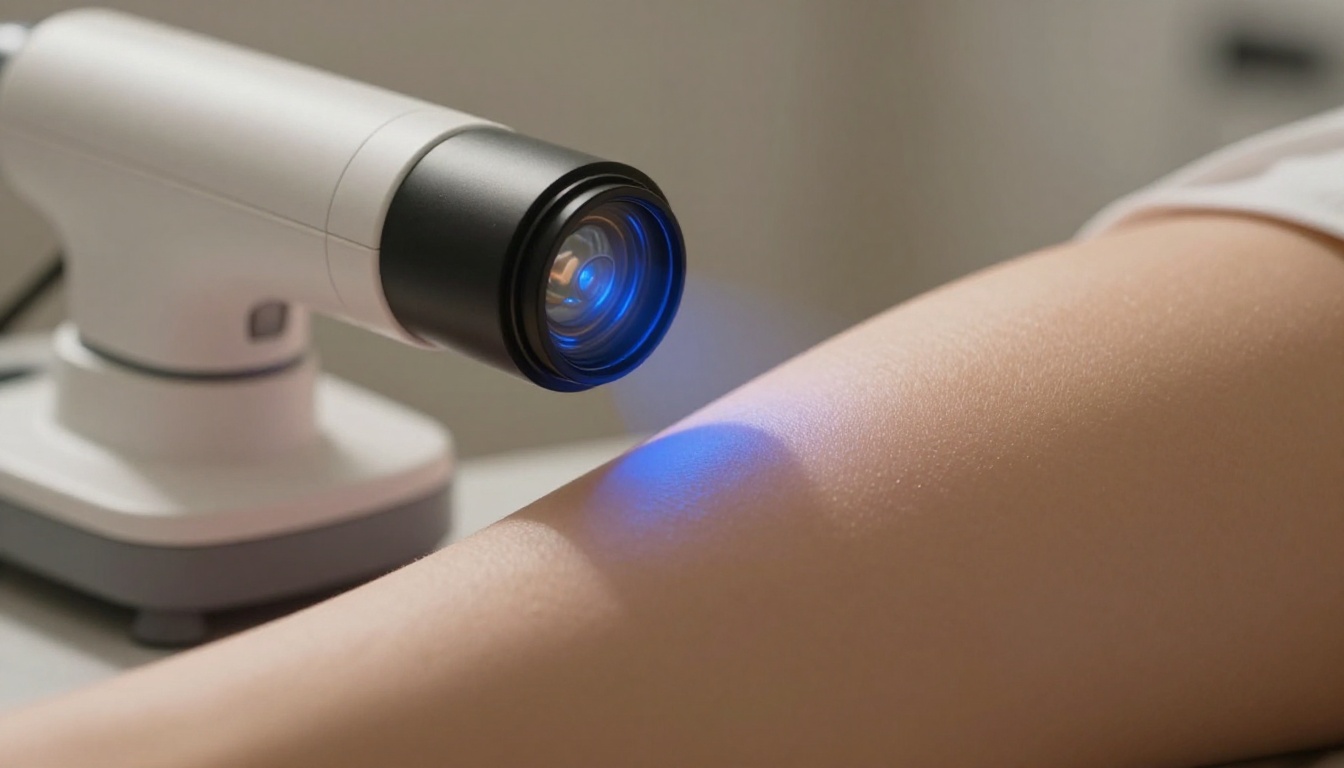
As AI tools emerge in dermatology, they offer potential benefits for albinism care, but require careful development with dermatologist input and validation.
Artificial intelligence is making significant inroads into dermatology, potentially opening new doors for skin care access that could benefit the albinism community. However, experts caution that proper medical oversight and validation remain crucial challenges.
According to a recent report in the Journal of Investigative Dermatology, AI tools are rapidly emerging with the potential to revolutionize dermatological practice and expand patient access to care. For people with albinism who require regular skin monitoring and specialized dermatological attention, such technologies could eventually improve access to specialized care.
However, the report highlights concerning trends. Many AI developments are being released without adequate dermatologist input, rigorous validation, cost-effectiveness analyses, or transparency, according to researchers Wongvibulsin and colleagues (2024). This creates genuine risks that are particularly relevant to specialized skin conditions.
Potential Risks and Benefits
The sensitive nature of skin health for people with albinism makes quality care essential. The researchers note that publicly available AI tools in dermatology introduce potential risks, including misdiagnosis, as documented by Sun and colleagues (2022). Additionally, these technologies could potentially increase healthcare disparities rather than reduce them, a concern previously raised by Adamson and Smith (2018).
For the albinism community, where regular dermatological monitoring is essential for skin health and cancer prevention, the quality and accuracy of these AI systems take on particular importance.
Looking Forward
As AI continues to develop in dermatological care, advocacy for inclusive testing and validation will be critical. Systems must be trained on diverse skin types and conditions, including albinism, to ensure they provide accurate guidance rather than perpetuating care disparities.
For people with albinism, the ideal future would involve AI tools that enhance — rather than replace — the care provided by dermatologists who understand the specific needs of those with albinism. Such technologies could potentially extend specialized care to underserved areas where dermatologists with albinism expertise may be scarce.
Keywords
Core topics and entities mentioned in this summary.