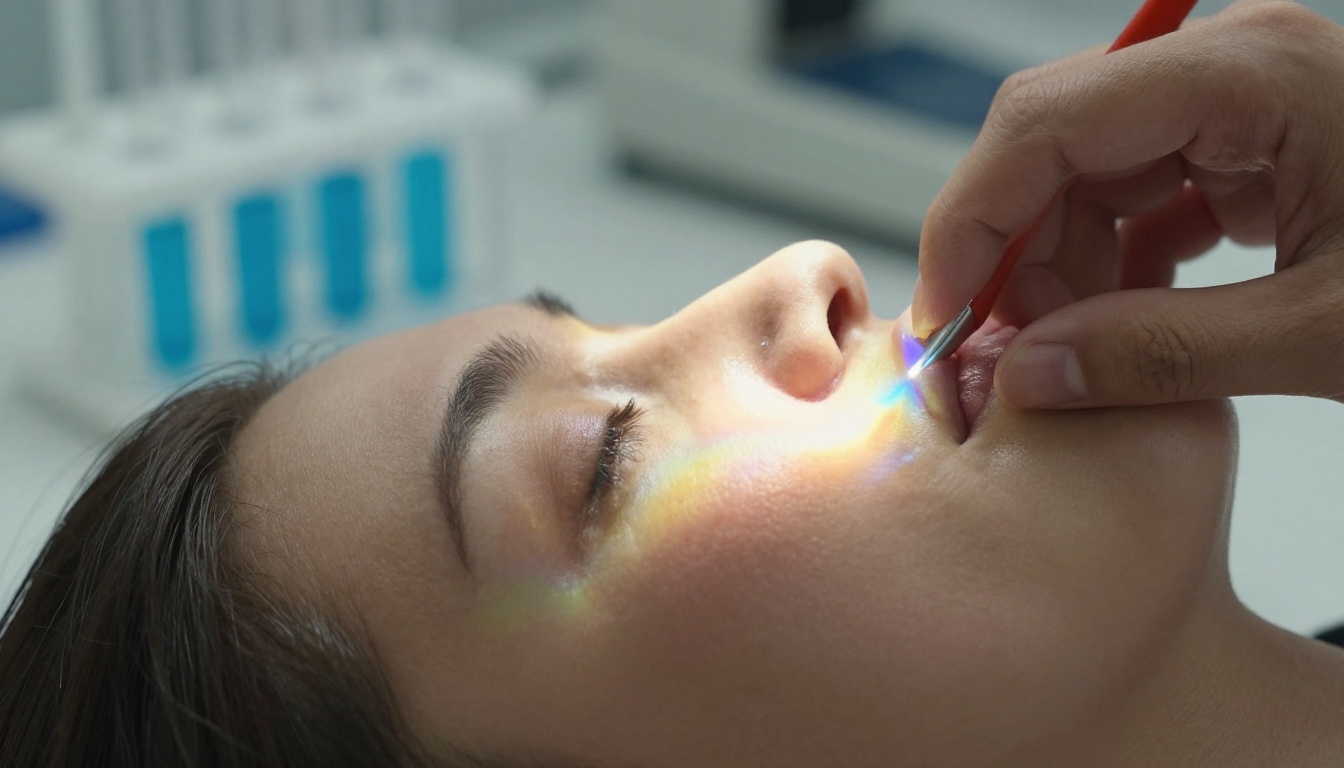
Study identifies key pathway that could help protect against skin cancer development in people with albinism and others vulnerable to UV damage.
For people with albinism, understanding how ultraviolet (UV) radiation affects the skin goes beyond sunburn prevention—it's about long-term health protection. New research published in the Journal of Investigative Dermatology offers promising insights into how scientists might better protect against UV-related immune suppression, a major risk factor for skin cancer.
The study focuses on how UVB radiation (the damaging rays in sunlight) disrupts the normal function of dendritic cells—important immune system cells in the skin. This disruption is a key mechanism behind UVB-induced immune suppression, which can eventually lead to skin cancer development.
The TREM-1 Discovery
Researchers identified a specific signaling pathway called TREM-1 (triggering receptor expressed on myeloid cells 1) that becomes highly activated in both mouse and human skin after UVB exposure. This finding is significant because it points to a specific cellular mechanism that could potentially be targeted.
When the research team blocked the TREM-1 pathway using an antagonistic peptide called LP-17, they observed remarkable results. According to the study, this intervention:
- Significantly reversed UVB-induced suppression of immune responses
- Suppressed UVB-induced skin carcinogenesis (the formation of cancer)
- Prevented UVB from suppressing important protective immune cells (specifically antigen-specific CD8+ Tc1 and Tc17 effector cells)
Why This Matters for People with Albinism
For the albinism community, who face heightened vulnerability to UV damage due to reduced melanin protection, these findings could eventually translate into better preventative strategies beyond sunscreen and protective clothing.
While this research is still in early stages, it suggests that targeting specific immune pathways might someday help prevent the cascade of cellular events that lead from UV exposure to compromised immunity to potential skin cancer.
This work represents an important step toward understanding the complex relationship between UV exposure and immune function—knowledge that could benefit everyone, but especially those with heightened photosensitivity like people with albinism.
Keywords
Core topics and entities mentioned in this summary.