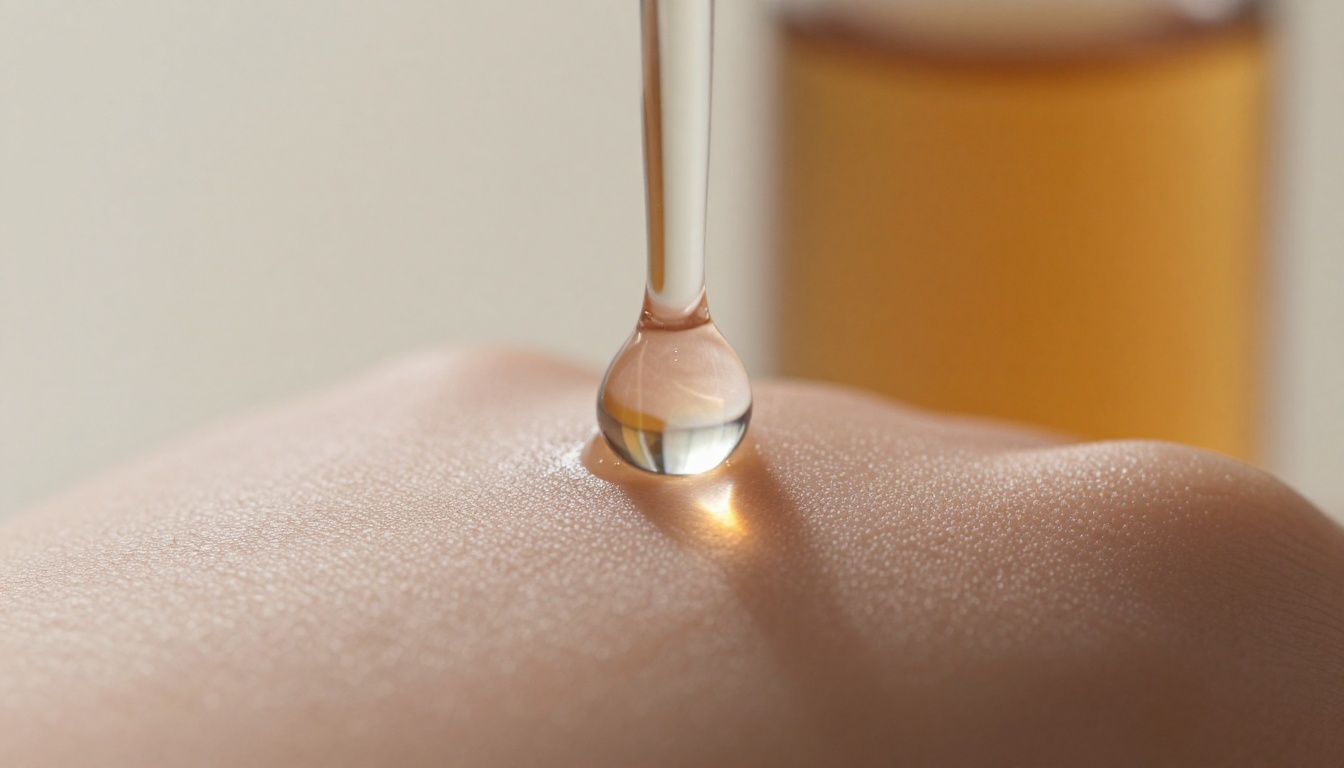
Research reveals Hydroxypinacolone 9-cis retinoate may help prevent UV damage with less skin irritation than traditional retinoids.
A promising new compound might offer better protection against sun damage with fewer side effects, according to research published in the Journal of Investigative Dermatology. This development could be particularly significant for people with albinism, who face heightened vulnerability to UV radiation.
The study focused on Hydroxypinacolone 9-cis retinoate (9-cis HPR), a derivative of 9-cis retinoic acid. Traditional retinoids have long been used to combat skin aging and UV damage, but often cause irritation—a particular concern for the sensitive skin common among people with albinism.
Improved Protection with Less Irritation
Researchers found that 9-cis HPR works differently than conventional retinoids by selectively activating specific receptors (retinoic acid receptor α and retinoid X receptor α). According to the study, this selective activation appears to improve both efficacy and tolerability.
In their tests using a UV-induced mouse model of photoaging, the investigators demonstrated that 9-cis HPR reduced several signs of sun damage, including redness, skin peeling, and loss of elasticity. The compound also promoted the production of collagen and elastin—proteins essential for maintaining healthy skin structure.
Potential Implications for Albinism Community
Skin protection is a critical health concern for people with albinism, who have reduced or absent melanin—the natural pigment that helps shield skin from harmful UV rays. This leaves individuals with albinism at substantially higher risk for sun damage, premature aging, and skin cancers.
If further research confirms these preliminary findings, 9-cis HPR could potentially offer a more comfortable and effective option for daily skin protection regimens. However, it's important to note that comprehensive clinical trials in humans, particularly those with albinism, would be necessary before such products become available.
This research represents one step in the ongoing effort to develop better photoprotection strategies—an advancement that could significantly impact quality of life for people with sun-sensitive conditions.
Keywords
Core topics and entities mentioned in this summary.