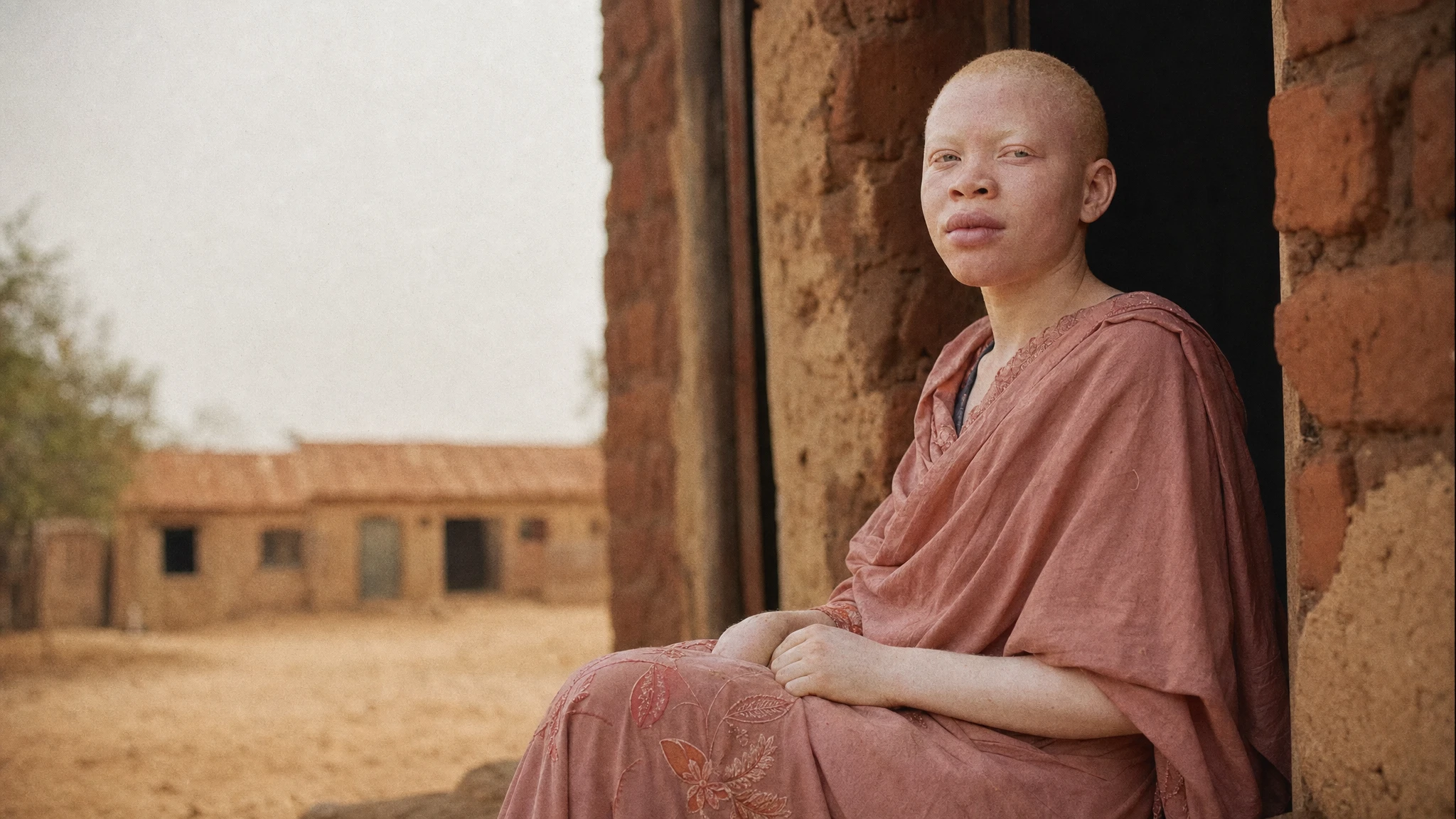
A new Human Rights Watch report finds that people with albinism in Malawi continue to face killings, abductions, and systematic discrimination. The findings call for urgent government action.
A grave is not an abstraction. In Malawi, Human Rights Watch has documented cases where people with albinism were killed, their bodies or body parts taken for use in ritual practices believed to bring wealth or good fortune.
The report, released by Human Rights Watch, details a pattern of violence and discrimination that has persisted for years. Researchers found that people with albinism in Malawi face threats not only from physical attacks but from the social conditions that make those attacks possible — poverty, lack of legal protection, and myths about the supposed magical properties of their bodies.
What the report found
Human Rights Watch documented killings, abductions, and grave desecrations targeting people with albinism across Malawi. The organisation reported that those responsible are rarely prosecuted, and that survivors frequently described being failed by local authorities who did not investigate attacks or take their complaints seriously.
The report also found that discrimination extends well beyond physical violence. People with albinism described being excluded from schools, denied employment, and marginalised within their own families and communities, according to Human Rights Watch. These compounding pressures, the organisation noted, leave many without the economic or social resources to protect themselves.
Children were identified as particularly at risk. Human Rights Watch reported that some families, fearing for their children's safety, have kept them out of school or restricted their movement — decisions that carry their own long-term costs.
The call for government action
Human Rights Watch urged the Malawian government to strengthen the legal framework protecting people with albinism, to ensure that attacks are investigated and prosecuted, and to address the myths that drive demand for body parts. The organisation also called on authorities to collect disaggregated data on crimes targeting people with albinism, which researchers said remains inadequate.
Malawi is not alone in this pattern. Human Rights Watch has previously documented similar violence in Tanzania, Mozambique, and other countries across the region, where ritual beliefs about albinism have fuelled what the organisation has described as a human rights crisis.
The report arrives as advocacy groups continue to press for a regional response. Under the Persons with Albinism Act, passed in Malawi in 2022, several new protections were introduced — but Human Rights Watch indicated that implementation has been uneven and enforcement largely absent.
The distance between a law on paper and a life made safer remains wide.
Keywords
Core topics and entities mentioned in this summary.