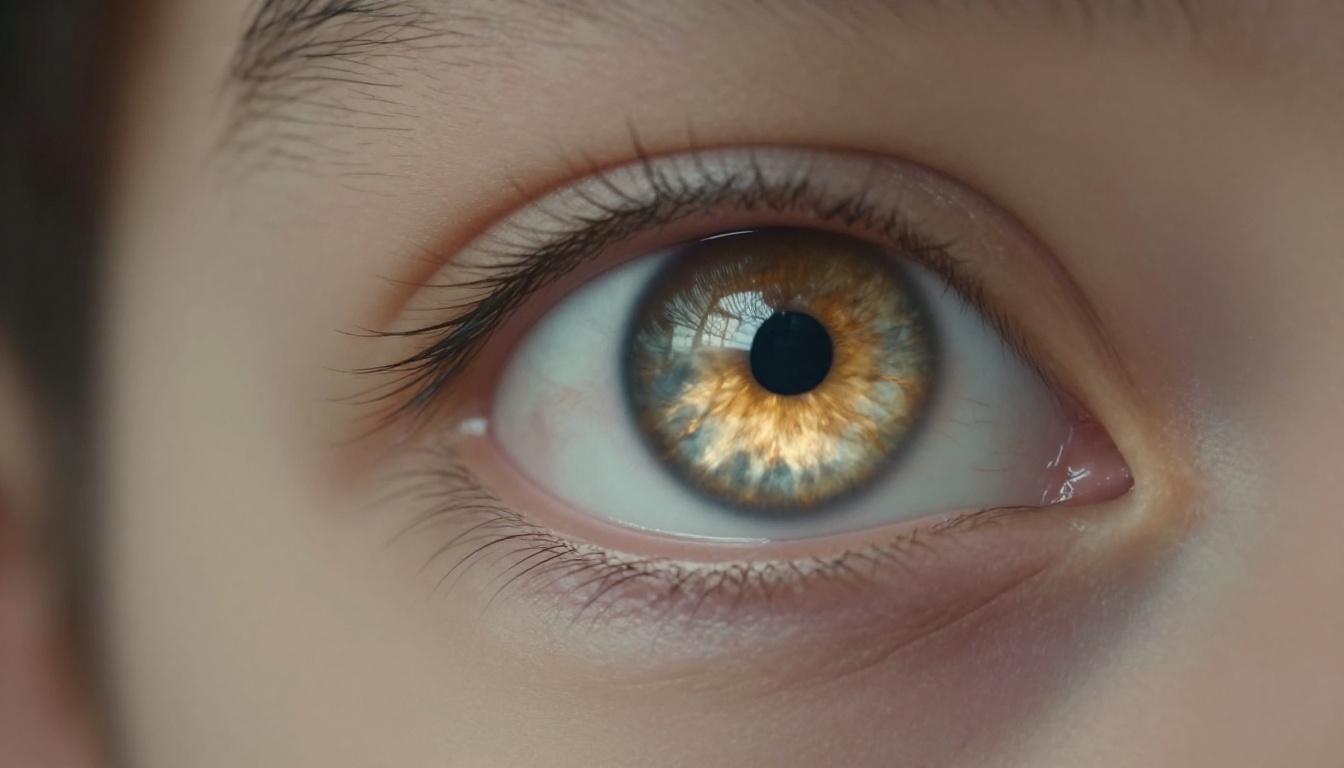
University of Southampton researchers discover promising vision improvement possibilities for young children with albinism through a specialized therapy approach.
A groundbreaking study from the University of Southampton offers new hope for children experiencing visual impairments associated with albinism.
According to researchers, a specialized therapy approach has shown promising results in improving vision for young children with albinism. The study, conducted by the University of Southampton, focused on addressing the specific visual challenges that often accompany this genetic condition.
Albinism affects the production of melanin, which plays a crucial role in eye development. People with albinism typically experience various degrees of visual impairment, including reduced acuity, nystagmus (involuntary eye movements), and photosensitivity. These challenges have historically been considered largely permanent.
However, the Southampton research suggests there may be more potential for visual improvement than previously thought, especially when interventions begin at an early age. The researchers found that targeted therapeutic approaches can potentially enhance visual function in children whose visual systems are still developing.
Understanding the Breakthrough
The study represents a significant shift in how we understand vision development in children with albinism. Traditional approaches have focused primarily on managing symptoms rather than improving underlying visual function.
The University of Southampton team discovered that with specialized interventions during critical developmental windows, some children showed measurable improvements in visual acuity and stability. These findings challenge previous assumptions about the limitations of treatment for vision issues related to albinism.
For families in the albinism community, this research offers meaningful hope. Vision impairment can significantly impact educational opportunities, social development, and independence for children with albinism. Any improvement in visual function could translate to meaningful quality of life enhancements.
Looking Forward
While the research shows promise, the University of Southampton emphasizes that results vary between individuals, and further studies are needed to refine and validate these therapeutic approaches.
This development represents an important step forward in understanding how to better support children with albinism in developing their visual potential. As research continues, families affected by albinism may soon have access to more effective intervention options that could significantly improve long-term outcomes.
Keywords
Core topics and entities mentioned in this summary.