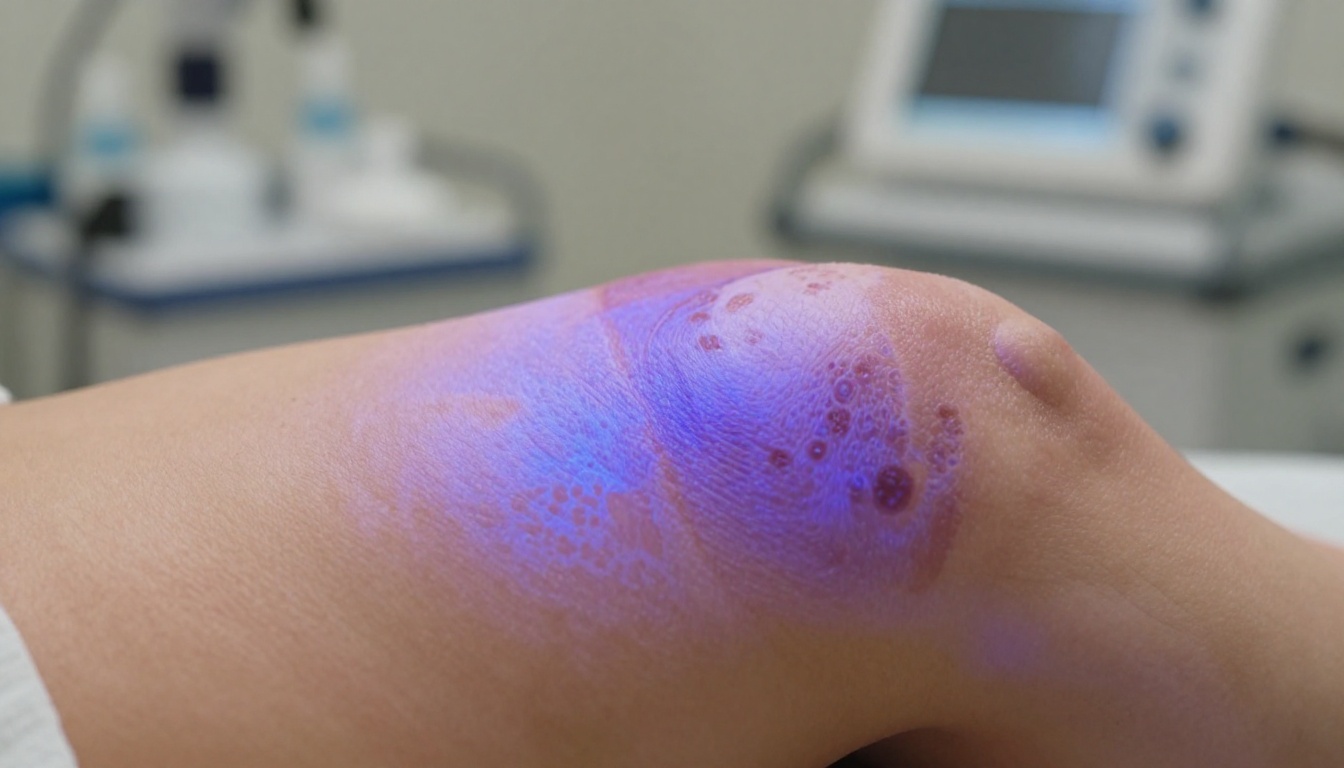
New research reveals how high-dose narrowband UVB therapy might potentially affect vitiligo progression by impacting dermal fibroblast cells.
Recent findings published in the Journal of Investigative Dermatology shed new light on why certain vitiligo treatments may sometimes have unexpected effects. The research explores an important connection between a common treatment and cellular changes that could influence treatment outcomes for people with vitiligo, a condition that shares some similarities with albinism in its effect on skin pigmentation.
Vitiligo is described in the study as an acquired autoimmune disorder with limited effective treatments. While not directly related to albinism, understanding vitiligo mechanisms helps broaden our knowledge of depigmentation conditions affecting the skin.
Narrowband UVB (NB-UVB) therapy is widely used to treat vitiligo, but according to the researchers, it can occasionally cause side effects including phototoxicity. The study specifically examined how this therapy interacts with dermal fibroblasts — important cells in the skin that, according to the research, play a key role in vitiligo by responding to immune signals and participating in the recruitment of certain T cells that target pigment-producing cells.
The Cellular Mechanism
The research team investigated the relationship between NB-UVB therapy and what they call "fibroblast senescence" in vitiligo. Senescence refers to cells that have stopped dividing but remain metabolically active. The researchers examined the mechanisms through which high-dose NB-UVB might potentially trigger disease progression in some cases of vitiligo through a specific cellular signaling pathway.
This investigation highlights the complexity of treating pigmentation disorders and the importance of personalized treatment approaches. For people with albinism who sometimes face similar challenges with sun exposure and skin protection, this research underscores the need for careful consideration of treatment options across all pigmentation-related conditions.
Implications for Treatment Approaches
While this study focuses specifically on vitiligo, it contributes to the broader understanding of how UV exposure affects skin cells and pigmentation processes. For the albinism community, research like this emphasizes the importance of monitoring all treatments involving UV exposure and working closely with dermatologists who understand the unique characteristics of different pigmentation conditions.
As research continues to uncover the complex cellular mechanisms behind pigmentation disorders, it offers hope for more targeted and effective treatments that could benefit people with various conditions affecting skin pigmentation, including both vitiligo and albinism.
Keywords
Core topics and entities mentioned in this summary.