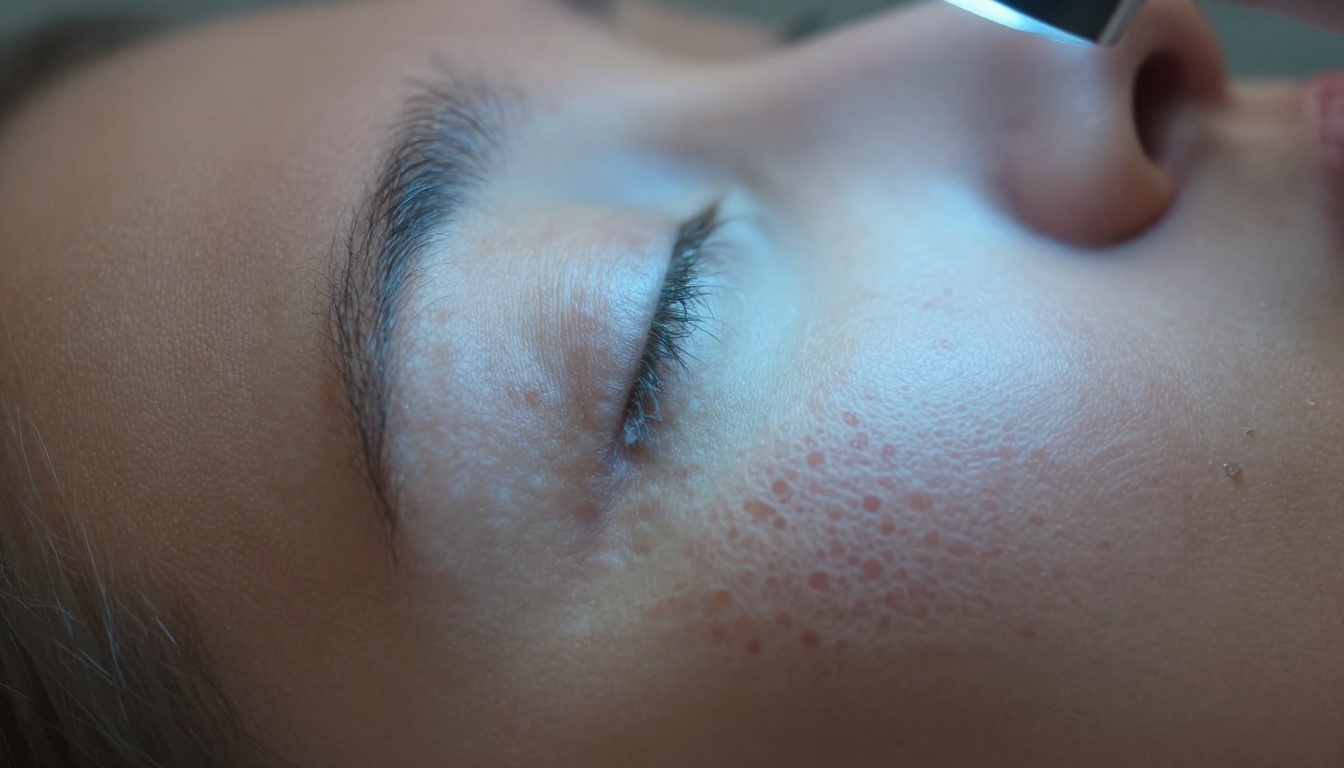
Scientists identify how specific proteins may trigger melanocyte cell death in vitiligo, offering potential insight for skin conditions affecting people with albinism.
A significant discovery in skin science may bring new understanding to how vitiligo develops, with potential implications for people with albinism who often face related skin conditions.
Researchers publishing in the Journal of Investigative Dermatology have identified a specific mechanism involving heat shock protein 70 (HSP70) that may contribute to melanocyte death in vitiligo development.
According to the study, HSP70 appears to activate a process called ferroptosis—a type of regulated cell death—in melanocytes by binding to a specific receptor (toll-like receptor 2) and regulating what's known as the MAPK pathway.
The Significance for Skin Conditions
This finding matters because melanocytes, the cells that produce melanin, are central to both vitiligo and albinism. While the conditions are different, understanding how these specialized cells are regulated and potentially damaged provides valuable knowledge for the broader field of pigmentation disorders.
For people with albinism who already have reduced melanin production, insights into melanocyte health and survival could eventually inform better protective approaches for their sensitive skin.
While this represents early-stage research, each advancement in understanding how pigment-producing cells function brings scientists one step closer to developing more effective treatments for various skin conditions affecting people with albinism.
Keywords
Core topics and entities mentioned in this summary.