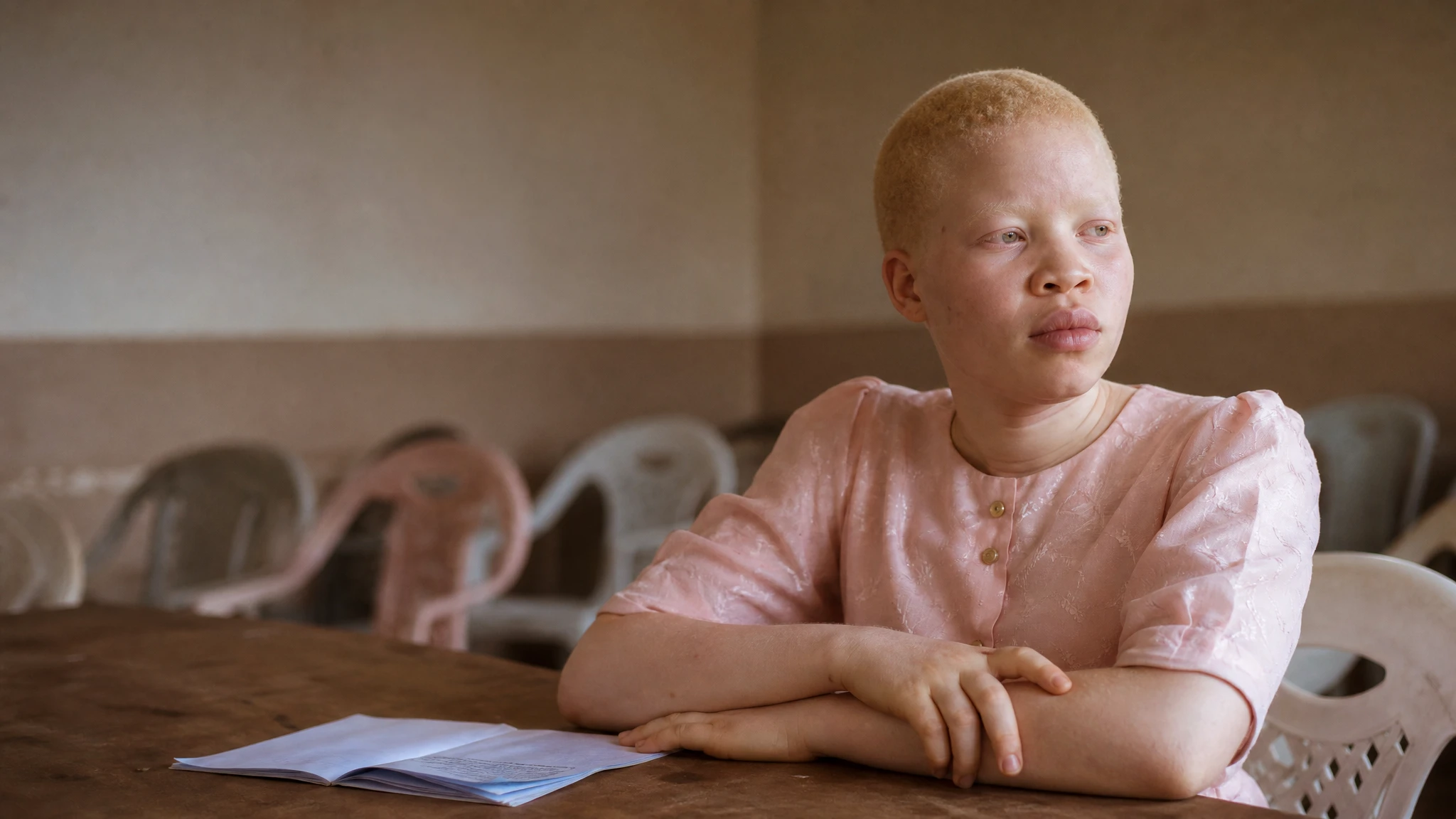
The OHCHR Independent Expert on Albinism has released a guiding note on how journalists and organisations should report on children with albinism in Africa.
A new document from the United Nations addresses something that shapes public understanding before any policy is written: the language and framing journalists use when they cover children with albinism.
The Office of the United Nations High Commissioner for Human Rights (OHCHR), through the Independent Expert on the enjoyment of human rights by persons with albinism, has published a Guiding Note on Reporting on the Rights and Welfare of Children with Albinism in Africa. The note is directed at journalists, editors, documentary makers, and organisations who cover this community — particularly in contexts where children face ritual attacks, discrimination, and exclusion.
What the guidance addresses
The Independent Expert's note identifies specific patterns in media coverage that cause harm. According to the OHCHR document, reporting that centres on violence without contextualising human rights protections, or that uses dehumanising terminology, can reinforce the stigma it claims to document.
The guidance calls on reporters to treat children with albinism as rights-holders, not as objects of pity or curiosity. It asks that coverage move beyond attack narratives toward the structural conditions — poverty, lack of legal enforcement, and cultural misinformation — that shape the lives of these children across the continent.
The document also addresses the specific vulnerability of children as subjects. The Independent Expert advises that informed consent, privacy protections, and the child's dignity must be centred at every stage of the reporting process, from interview to publication.
Why language is part of the problem
The OHCHR note reflects a concern the Independent Expert has raised in previous reports: that well-intentioned coverage can reproduce harm. Describing children with albinism primarily through the lens of violence, or using clinical or derogatory terminology, shapes how communities and policymakers perceive the issue.
According to the guidance, Africa is the primary geographic focus because it is where children with albinism face the most documented risk — including ritual killings, displacement, and institutionalisation. The note does not treat this as a cultural problem, but as a human rights and governance failure requiring accountability.
The Independent Expert's mandate, established by the UN Human Rights Council, includes monitoring the situation of people with albinism globally, supporting states in developing protective frameworks, and — as this document reflects — shaping the information environment around the community.
The guiding note is available through the OHCHR website and is intended as a practical resource for media practitioners working in or reporting on sub-Saharan Africa.
Keywords
Core topics and entities mentioned in this summary.