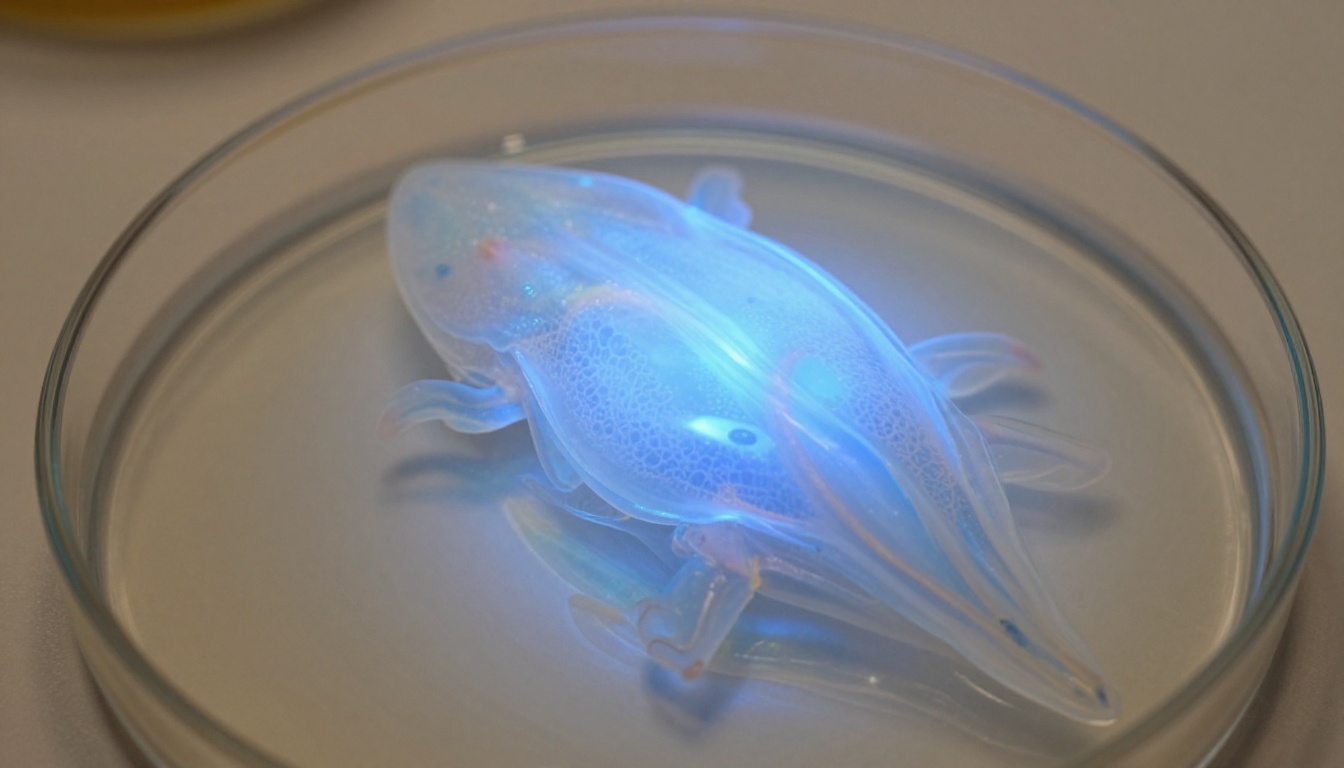
Scientists studying albinism in toads uncover important insights about the broader metabolic effects of pigmentation loss beyond skin and eye conditions.
Recent research on genetically modified albino toads has revealed surprising connections between pigmentation and overall health that may have implications for understanding albinism across species, including humans.
A team of researchers examining the biological impacts of albinism in toads discovered that the absence of melanin—the pigment lacking in people with albinism—affects more than just skin and eye color. According to the study published in scientific journal Phys.org, the loss of pigmentation creates a cascade of metabolic changes throughout the body.
The researchers used gene-editing techniques to create albino toads, allowing them to study the precise biological differences between the modified amphibians and their typically-pigmented counterparts. Their analysis showed that albino toads experienced significant changes in energy metabolism and cellular function.
Key findings indicated that the absence of melanin triggered alterations in how the animals processed energy, potentially affecting their overall health and resilience. These metabolic shifts weren't previously understood as being connected to pigmentation genes.
Beyond Visible Differences
While most research on albinism has traditionally focused on the visible characteristics—lighter skin, hair, and eye abnormalities—this study suggests the condition may have more complex whole-body effects that deserve further investigation.
"The visible aspects of albinism represent just the tip of the iceberg," the researchers noted in their report. "There appear to be hidden biological costs to pigment loss that we're only beginning to understand."
These findings provide valuable insights for the albinism community, potentially opening new avenues for research into human albinism. Understanding these broader metabolic connections could eventually lead to more comprehensive approaches to supporting overall health for people with albinism.
Future Research Directions
Scientists involved in the study emphasized that while their findings in toads cannot be directly applied to humans, the research highlights important questions about how melanin production—or its absence—might influence various body systems beyond skin and vision.
As research continues to evolve, these insights may help expand our understanding of albinism as a complex condition affecting multiple aspects of health, potentially guiding more holistic approaches to care and support for people with albinism worldwide.
Keywords
Core topics and entities mentioned in this summary.