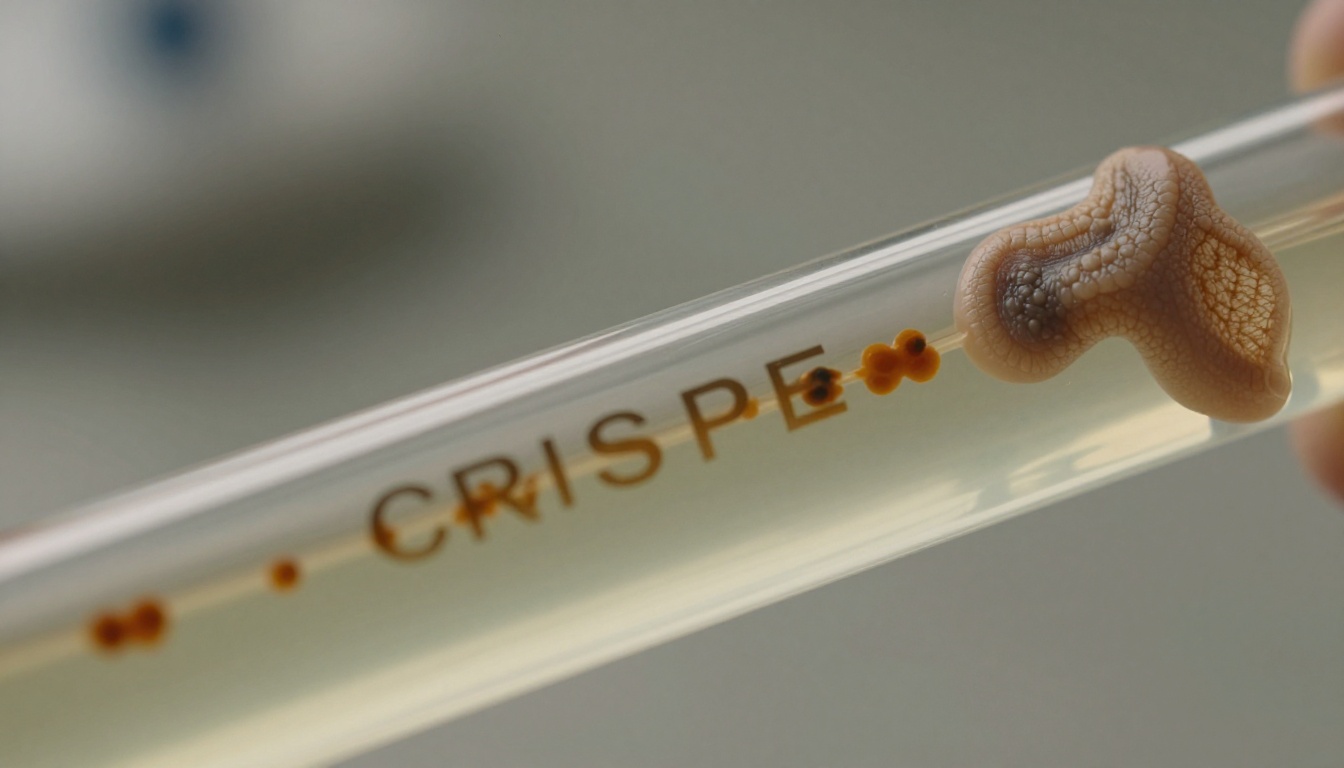
Researchers use CRISPR technology on cane toads to better understand genetic mechanisms behind albinism, potentially offering insights for human applications.
Scientific research on albinism has taken an interesting turn as researchers explore the condition in an unexpected species: the cane toad.
According to a recent report from ISAAA.org, scientists have successfully used gene editing technology to study albinism in cane toads, creating a model that may help better understand the genetic mechanisms behind the condition. The researchers utilized CRISPR gene editing techniques to target specific genes associated with pigmentation.
By examining albinism in these amphibians, researchers hope to gain broader insights into how pigmentation genes function across different species. The study focused on manipulating genes responsible for melanin production—the same biological process affected in many forms of human albinism.
Understanding Genetic Pathways
The research highlights how similar genetic pathways can affect pigmentation across diverse species. While cane toads are far removed from humans evolutionarily, the fundamental genetic mechanisms that control pigmentation share surprising similarities. These connections could potentially lead to better understanding of the various forms of albinism that affect humans.
This comparative approach to studying albinism demonstrates how research across different species can provide valuable perspectives on genetic conditions. The ability to precisely edit genes in the cane toad model offers researchers a controlled environment to observe how specific genetic changes influence pigmentation development.
Potential Implications for Human Research
While the research is still in its early stages, the findings may eventually contribute to our understanding of human albinism. By identifying exactly how certain genes influence melanin production in a controlled model, scientists might gain insights applicable to human genetics.
It's important to note that this research represents one small piece in the larger puzzle of understanding albinism. The condition in humans is complex, involving multiple genes and environmental factors that continue to be studied through various approaches.
As genetic research continues to evolve, studies like this one remind us that insights can come from unexpected sources, expanding our knowledge about the genetic foundations of albinism across the natural world.
Keywords
Core topics and entities mentioned in this summary.