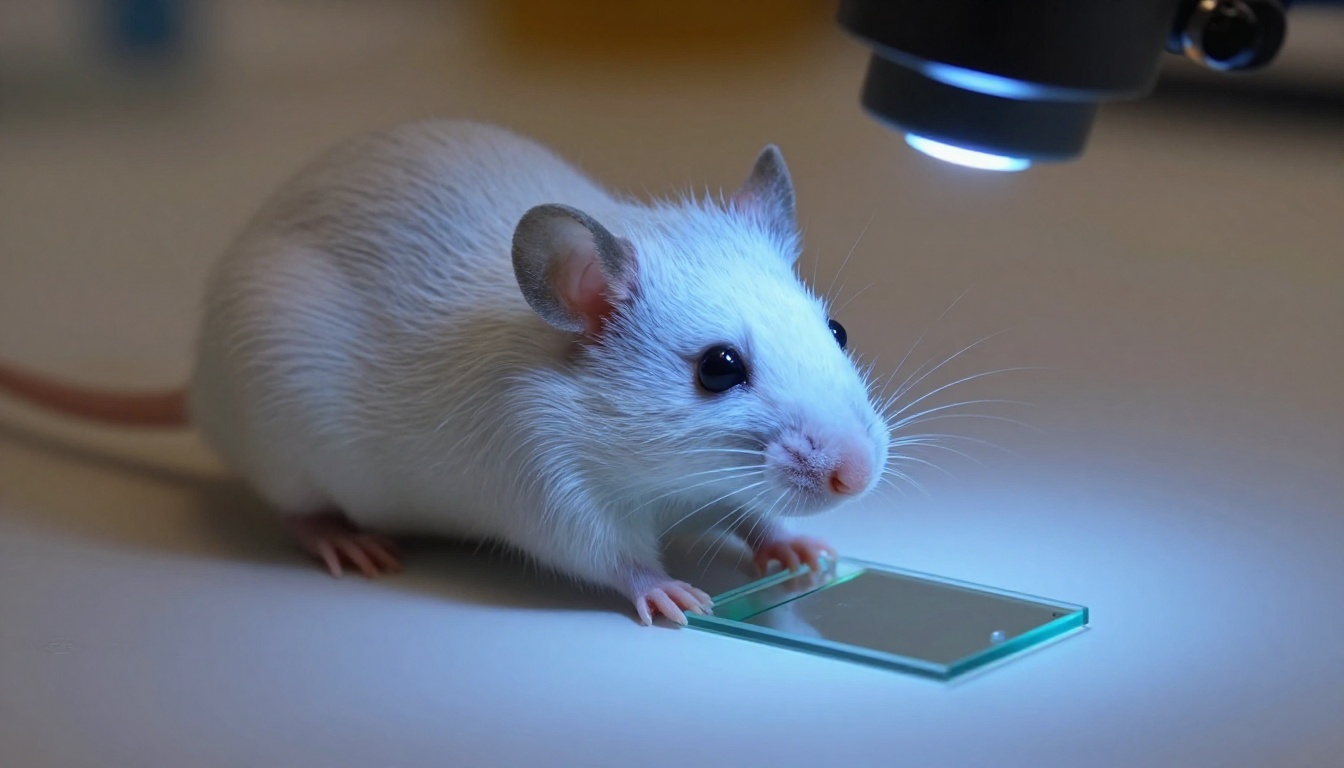
Researchers create breakthrough mouse model that accurately mirrors human dermal aging by manipulating TGF-β receptor genes, potentially advancing anti-aging research.
Researchers have developed a novel mouse model that successfully mimics human skin aging, offering new pathways for studying age-related skin changes and potential treatments.
According to findings published in the Journal of Investigative Dermatology, scientists created the model by deleting a specific gene (Tgfbr2) in skin fibroblasts, successfully replicating the dermal thinning that characterizes aged human skin.
The research focuses on understanding collagen loss, which the study identifies as the primary cause of dermal thinning in aged skin. Collagen serves as the major structural protein that maintains skin integrity and strength.
Understanding Dermal Aging
Dermal aging fundamentally disrupts the skin's architectural framework and functional properties, creating a tissue environment linked to numerous skin problems. According to the researchers, these issues include increased skin fragility, impaired vasculature support, poor wound healing, and even the promotion of cancer development.
By manipulating the TGF-β receptor genes in mouse skin, the researchers have created a model that closely mirrors human dermal aging processes, potentially accelerating research into treatments that might slow or reverse these changes.
This breakthrough could provide a valuable tool for testing interventions aimed at maintaining skin health throughout the aging process. For people with albinism, who already face increased skin sensitivity and risk factors, understanding the mechanisms of dermal aging carries particular importance.
As the global population ages, research into skin health maintenance becomes increasingly relevant not just for cosmetic concerns, but for overall health and wellbeing in later life stages.
Keywords
Core topics and entities mentioned in this summary.