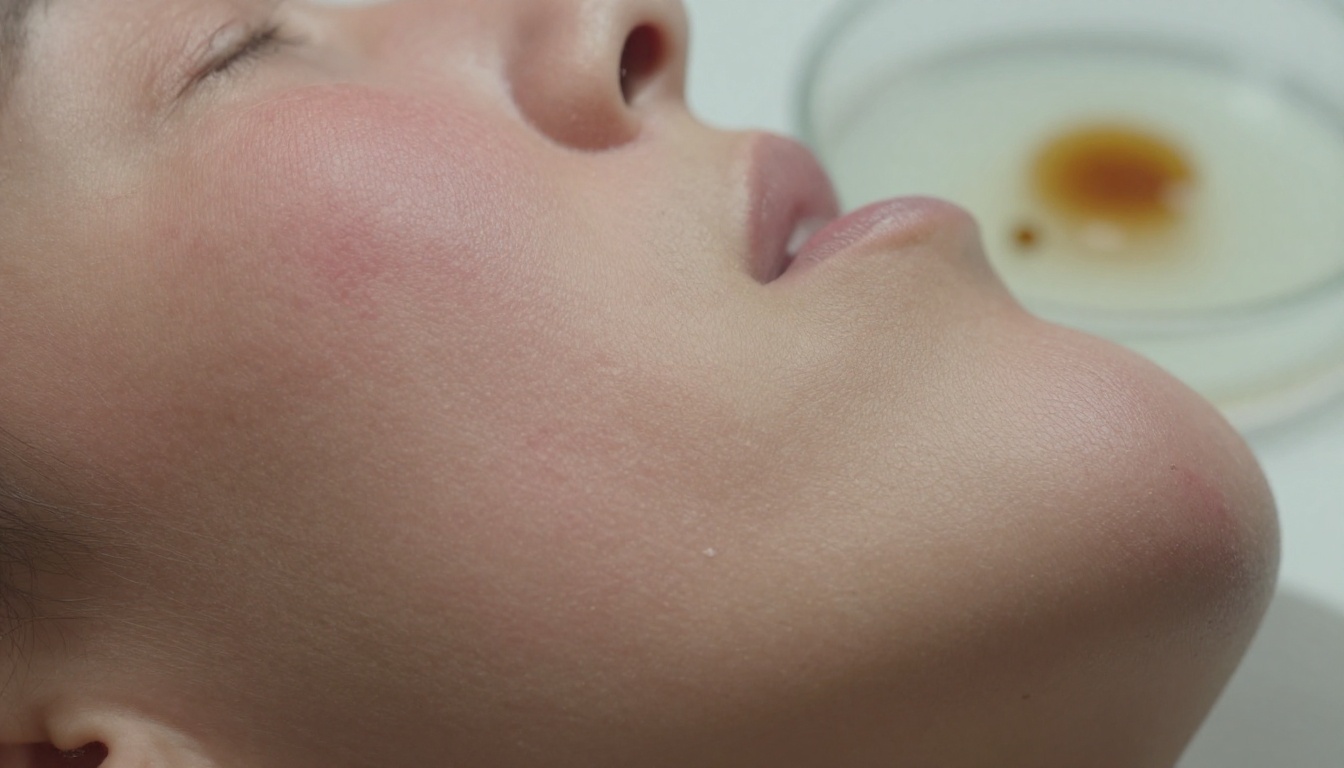
New research examines how different itch measurement tools correlate with immune markers in people with atopic dermatitis, with potential insights for albinism-related skin conditions.
Understanding how to measure skin discomfort accurately matters greatly for people with various dermatological conditions, including those with albinism who often experience heightened skin sensitivity.
A new study published in the Journal of Investigative Dermatology has examined how different validated itch measurement scales perform when assessing atopic dermatitis (AD), a chronic inflammatory skin condition characterized by intense itching. The research also explored potential connections between these itch measurements and specific immune markers in the blood.
According to the researchers, itch represents the primary symptom contributing to patient burden in atopic dermatitis. While multiple validated scales exist to measure this discomfort in clinical trials, the variety of measurement tools can create inconsistent data sets, making treatment evaluation challenging.
The study followed 49 adults diagnosed with severe atopic dermatitis and significant itching who received dupilumab treatment (a medication that targets specific inflammatory pathways) over a 16-week period. Researchers tracked how different itch measurement tools correlated with improvements and with blood cytokine profiles—proteins that serve as messengers in the immune system.
Relevance to Albinism Community
While this study specifically focused on atopic dermatitis, the findings have potential significance for people with albinism who frequently experience dermatological challenges. Many individuals with albinism contend with sensitive skin conditions that can involve itching, irritation, and inflammation due to reduced melanin protection.
Better understanding of how to accurately measure skin discomfort and its relationship to underlying immune responses could potentially improve treatment approaches for various skin conditions, including those associated with albinism.
As dermatological research continues to advance, these insights may help clinicians better evaluate and address the skin-related challenges faced by people with albinism, ultimately contributing to more targeted and effective skin care protocols.
Keywords
Core topics and entities mentioned in this summary.