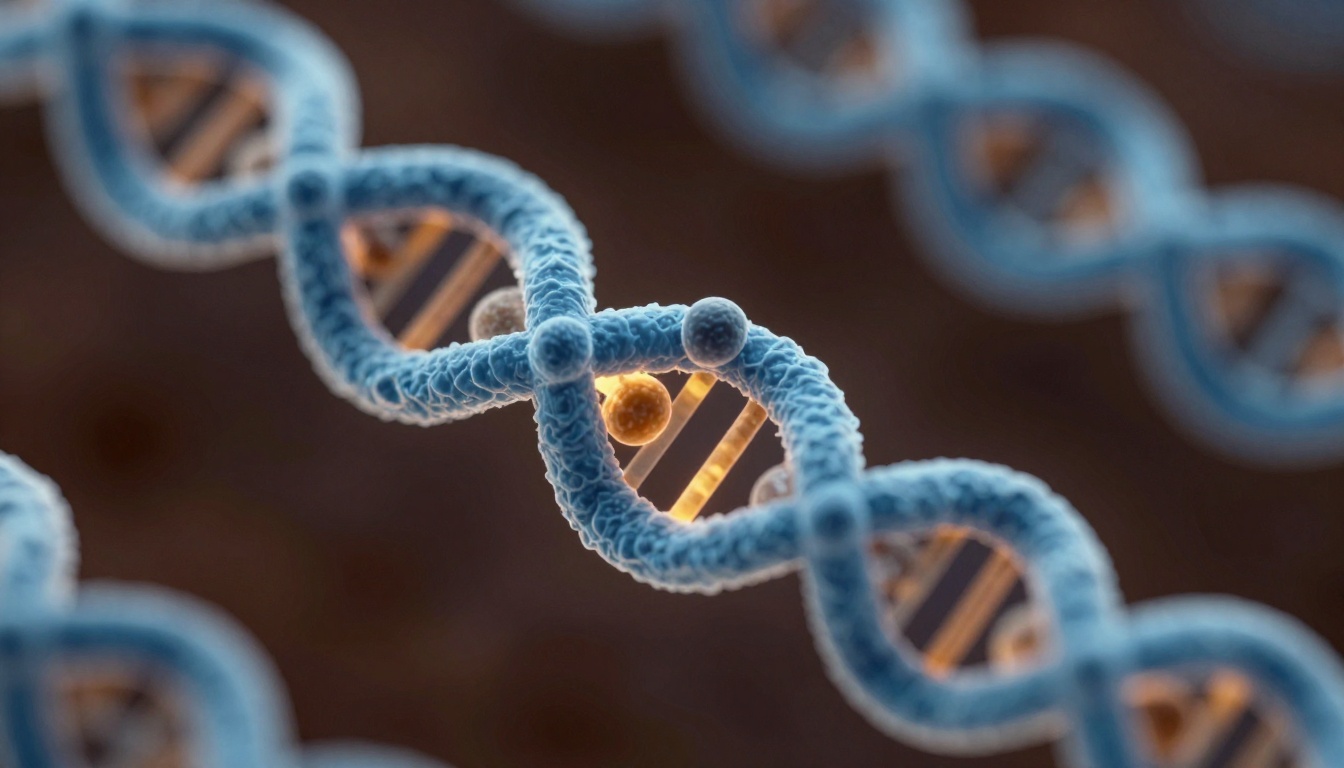
Recent findings show how protein stability in melanoma differs between NRAS and BRAF types, potentially impacting melanoma research relevant to albinism-related skin health.
Recent research published in the Journal of Investigative Dermatology sheds light on how proteins critical in melanoma function differently at the cellular level, offering potential insights for skin health research that may benefit people with albinism.
The study explores the relationship between genetic material (mRNA) and resulting proteins in melanoma cells, specifically focusing on two key proteins called NRAS and BRAF that are often implicated in melanoma development.
According to the researchers, there's only a modest correlation between gene expression and actual protein abundance in cells. This means that even when genes are expressed at similar levels, the resulting proteins may be present in significantly different amounts.
The findings suggest that variations in how proteins are translated, degraded, and modified after production can create substantial differences in signaling pathways that drive cancer growth. For melanoma specifically, the stability of these oncoproteins (cancer-promoting proteins) may vary dramatically, affecting how strongly and how long they send growth signals within cells.
Why This Matters for Albinism
While this study focuses on melanoma research, understanding the fundamental biology of melanocytes—the pigment-producing cells affected in both melanoma and albinism—provides valuable knowledge that may inform future skin health approaches for people with albinism.
People with albinism have a significantly higher risk of sun damage and skin cancers, including melanoma, due to reduced melanin protection. Research into the molecular details of how melanocytes function and how melanoma develops could potentially lead to better preventative care and treatment options.
This type of basic science research represents an important step in the long journey toward comprehensive understanding of skin biology that ultimately benefits all communities with melanocyte-related conditions, including people with albinism.
Keywords
Core topics and entities mentioned in this summary.